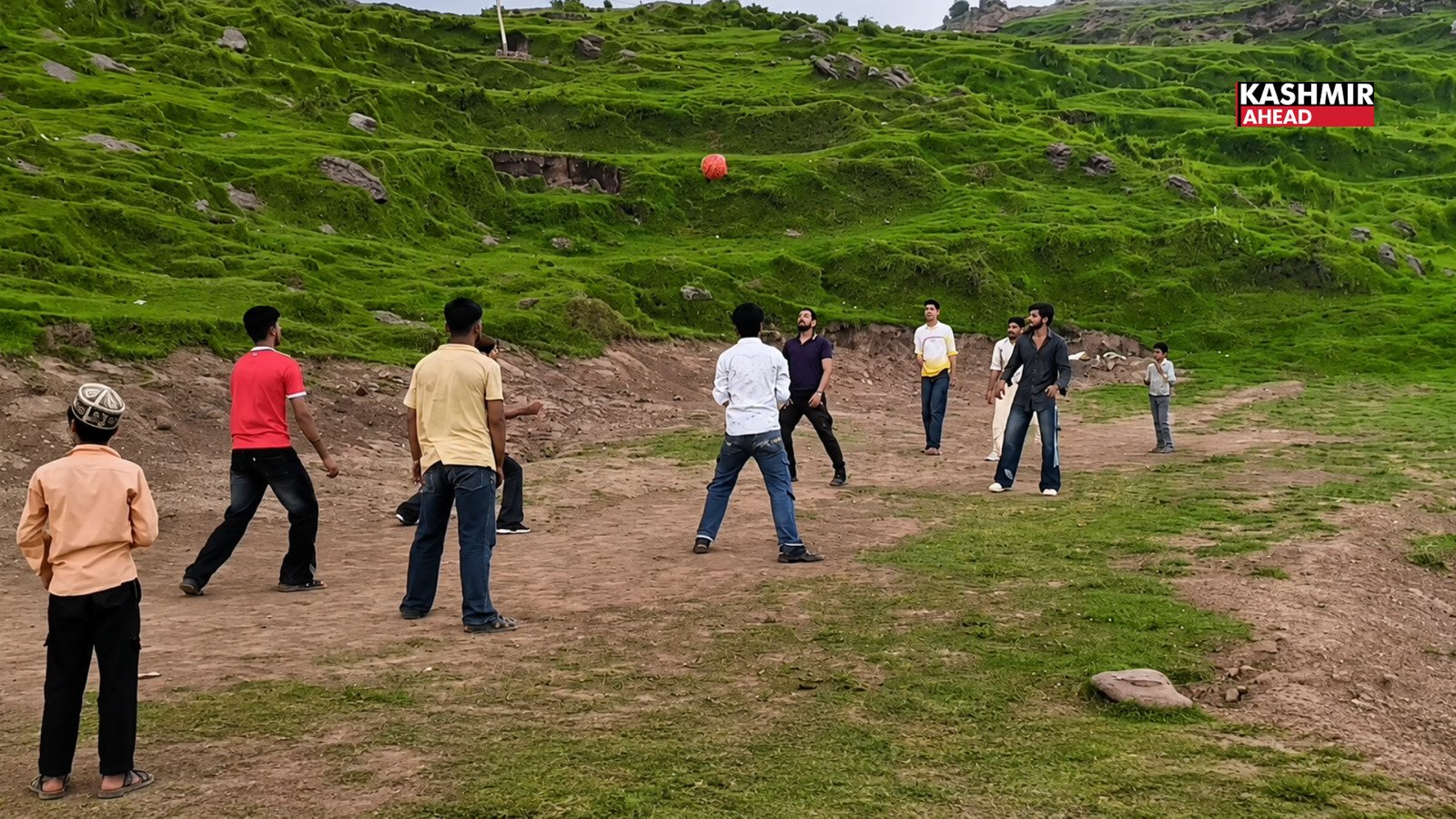
Poonch, August 23,2026- Indian Army playground Poonch is giving local youth a new facility for outdoor games and activities, strengthening rural sports infrastructure along the border. In a welcome boost for rural sporting infrastructure along the border, the Indian Army has constructed a playground at Upper Bandichahian, located close to the Line of Control (LoC) in Poonch district, benefiting over 1,000 youngsters drawn from four to five neighbouring panchayats.
The playground has quickly become a valued addition for the local community, offering young residents of the remote border region a dedicated space to play cricket, kabaddi, volleyball, badminton and other sports close to home — facilities that were previously scarce or altogether unavailable in the area.
Local youth have welcomed the initiative, noting that the absence of proper sporting facilities in villages near the LoC had long forced young people to either forgo regular sports activity altogether or travel considerable distances to access basic playing infrastructure. The new playground at Upper Bandichahian addresses that gap directly, giving youngsters from the surrounding panchayats a reliable venue to pursue sports and fitness within their own locality.
The initiative falls within the broader framework of the Indian Army’s civic outreach efforts in Jammu and Kashmir, which have historically included the development of community infrastructure — schools, medical camps, vocational training centres and recreational facilities — in remote and border-adjacent areas where government infrastructure has often been slower to reach due to challenging terrain and proximity to the LoC.
For panchayats situated near the Line of Control, access to organised sporting infrastructure carries significance beyond recreation alone. Officials associated with such initiatives have previously pointed to the role sports facilities play in channelling youth energy constructively, encouraging discipline and teamwork, and creating a sense of normalcy and opportunity in areas that have historically been shaped by their proximity to the border and the security challenges that come with it.
The playground’s benefit to over 1,000 youngsters across multiple panchayats also reflects the scale of demand that existed in the area prior to its construction. With cricket, kabaddi, volleyball and badminton among the sports now accessible at the venue, the facility caters to a range of interests, giving young residents — many of whom may not otherwise have had exposure to organised sport — a genuine platform to discover and develop athletic talent.
Community members in the area have described the initiative as a step that goes beyond providing a mere playing field, framing it instead as a meaningful investment in the everyday lives and aspirations of youth in one of the more remote and sensitive stretches of the Poonch border belt. The presence of a well-maintained, dedicated sporting facility so close to the LoC has also been seen locally as a marker of the evolving relationship between the Army and border communities, built through sustained, on-ground engagement rather than one-off gestures.
As with similar community infrastructure projects undertaken by the Army in border districts, the Upper Bandichahian playground is likely to serve not just as a sporting venue but as a gathering point for the wider community, potentially hosting local tournaments and events that draw participation from across the neighbouring panchayats in the months ahead.
For a border region where access to basic recreational and sporting infrastructure has historically lagged behind more accessible parts of Jammu and Kashmir, the new playground represents a tangible, welcome step toward promoting sports, fitness, discipline and talent among the youth of Upper Bandichahian and its surrounding villages.
Such initiatives also tend to have a ripple effect beyond the immediate beneficiaries. Parents and elders in border villages have often cited the lack of structured recreational avenues as a concern for young people growing up in areas where economic opportunities remain limited and daily life is shaped by the region’s proximity to the LoC. A functional playground offering multiple sporting disciplines gives families in the area reassurance that their children have access to constructive, supervised activity close to home, reducing the need for long and often difficult travel to access similar facilities elsewhere in the district.
Going forward, sustained maintenance and periodic upgrades to the facility will likely determine how effectively it continues to serve the growing number of young sports enthusiasts in the area. Community leaders in the region have, in the case of similar projects, emphasised the importance of continued engagement between the Army and local panchayats to ensure such infrastructure remains usable and relevant to evolving local needs over the years ahead.