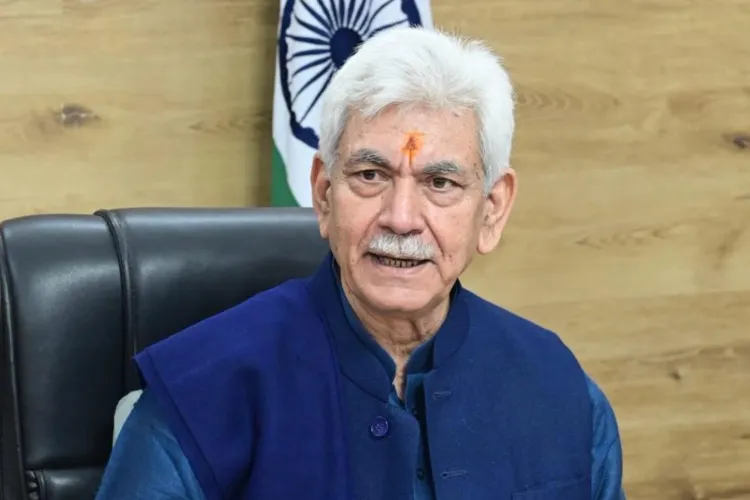
Srinagar, July 26,2026- Over the past few years, the leadership of Lieutenant Governor Manoj Sinha has been marked by a governance model focused on direct public engagement, administrative accountability, and accelerated development across Jammu and Kashmir. His approach has consistently emphasised action over rhetoric, with regular interactions with citizens, close monitoring of government initiatives, and sustained efforts to improve public service delivery.
From infrastructure development and social welfare to education, healthcare, tourism, agriculture, and industrial growth, the administration has sought to ensure that government policies translate into tangible benefits for people on the ground. Frequent visits to districts, meetings with public delegations, inspections of development projects, and reviews of flagship schemes have become a defining feature of the Lieutenant Governor’s style of governance.
A Governance Model Focused on Citizens
A key aspect of LG Manoj Sinha’s leadership has been his emphasis on maintaining direct communication with the people. Through public outreach programmes, grievance redressal mechanisms, and regular interactions with civil society, elected representatives, youth, entrepreneurs, farmers, and business communities, the administration has aimed to ensure that governance remains responsive to public needs.
Officials across departments have been directed to improve accountability, reduce delays in public service delivery, and resolve grievances in a time-bound manner. Digital governance initiatives have also strengthened transparency by enabling citizens to access government services more efficiently.
The administration has repeatedly stressed that development must be inclusive and reach every section of society, particularly those living in remote and underserved areas.
Accelerating Infrastructure Development
Infrastructure development has emerged as one of the administration’s major priorities. Jammu and Kashmir has witnessed significant progress in road connectivity, tunnels, bridges, highways, rural infrastructure, and urban development projects.
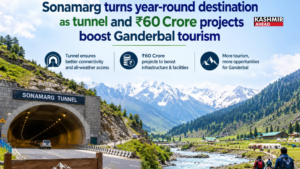
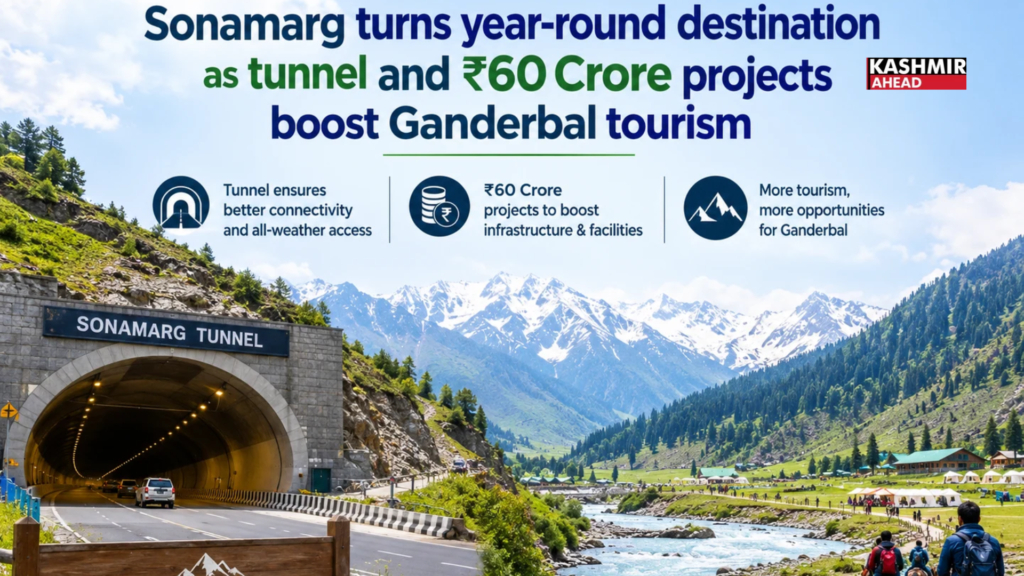
Major projects such as the Zojila Tunnel, improved national highway infrastructure, railway expansion, new bridges, and upgraded rural roads are expected to improve connectivity between regions while supporting trade, tourism, healthcare access, and education.
Urban infrastructure has also received attention through investments in smart city projects, improved drainage systems, beautification initiatives, public transportation, and civic amenities.
These projects are expected to strengthen economic activity while enhancing the overall quality of life for residents.
Strengthening Tourism
Tourism continues to play a central role in Jammu and Kashmir’s economy. Under the present administration, efforts have been made to diversify tourism beyond traditional destinations by promoting adventure tourism, border tourism, religious tourism, eco-tourism, heritage tourism, and winter sports.
Major pilgrimages such as the Shri Amarnath Ji Yatra and Mata Vaishno Devi Yatra continue to receive improved infrastructure and enhanced security arrangements.
Investment in tourism infrastructure, improved connectivity, better accommodation facilities, and promotional campaigns have contributed to increasing tourist arrivals, creating employment opportunities for local communities.
Empowering Youth
Youth development has remained a key area of focus. Skill development programmes, entrepreneurship initiatives, sports infrastructure, innovation hubs, and startup promotion have encouraged young people to explore opportunities within Jammu and Kashmir.
Government-supported schemes have enabled aspiring entrepreneurs to establish businesses in technology, handicrafts, agriculture, food processing, tourism, and manufacturing sectors.
Startup events, incubation centres, and financial support initiatives are helping create a stronger entrepreneurial ecosystem that encourages innovation and job creation.
Sports infrastructure has also expanded significantly, providing young athletes with better training facilities and opportunities to compete at national and international levels.
Supporting Agriculture and Rural Development
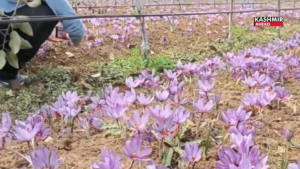
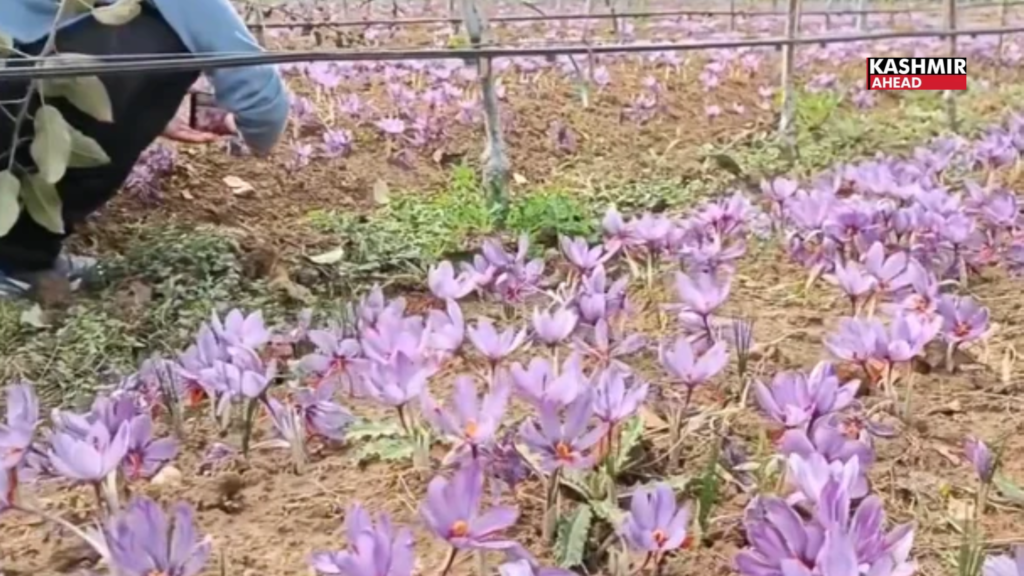
Agriculture remains the backbone of Jammu and Kashmir’s rural economy. The administration has promoted modern farming practices, horticulture expansion, organic cultivation, high-density plantations, irrigation development, and farmer welfare programmes.
Initiatives under the Holistic Agriculture Development Programme (HADP) have encouraged diversification, value addition, and better market access for farmers.
Support has also been extended to dairy farming, sheep husbandry, fisheries, mushroom cultivation, floriculture, and other allied sectors to increase rural incomes.
These initiatives aim to improve productivity while creating sustainable livelihood opportunities for farming communities.
Improving Healthcare
Healthcare infrastructure has undergone considerable expansion through the construction of new hospitals, medical colleges, primary health centres, wellness centres, and specialised healthcare facilities.
Digital health services, telemedicine initiatives, expanded ambulance services, and improved emergency response systems have strengthened healthcare delivery across both urban and rural areas.
Special emphasis has been placed on making quality healthcare accessible to people living in remote districts.
Transforming Education
Education reforms have focused on improving school infrastructure, introducing smart classrooms, strengthening higher education institutions, and promoting digital learning.
Universities and colleges have expanded academic opportunities while vocational education and skill development programmes continue to prepare students for emerging employment sectors.
Special initiatives aimed at girls’ education, digital literacy, and research have also received increased attention.
Industrial Growth and Investment
Industrial development has gained momentum through new investment policies, industrial estates, business reforms, and improved ease of doing business.
Investments across manufacturing, renewable energy, food processing, logistics, information technology, and services are expected to generate employment while strengthening the regional economy.
Support for small and medium enterprises has encouraged local entrepreneurship and industrial expansion.
Preserving Culture and Heritage
Alongside development, the administration has emphasised preserving Jammu and Kashmir’s rich cultural heritage.
Traditional crafts, local artisans, heritage sites, historic temples, shrines, Sufi centres, and cultural festivals continue to receive institutional support.
Promotion of handicrafts, handlooms, local cuisines, music, and traditional art forms has helped strengthen cultural tourism while supporting artisan livelihoods.
Enhancing Security and Public Confidence
The administration has consistently highlighted the importance of ensuring peace, stability, and public safety.
Security agencies continue to coordinate closely with civil authorities during major events, religious pilgrimages, and public gatherings.
Improved law-and-order mechanisms, community participation, and modern policing initiatives have contributed to creating an environment conducive to development and investment.
Digital Governance
Digital transformation has become an important pillar of governance.
Online public services, digital documentation, e-governance platforms, grievance portals, and transparent administrative processes have improved efficiency while reducing delays in service delivery.
Citizens increasingly benefit from simplified procedures across multiple government departments.
Inclusive Development
The administration has repeatedly emphasised that development should benefit every region and every community.
Special attention has been given to remote villages, border areas, tribal communities, women, youth, senior citizens, and economically weaker sections through targeted welfare programmes and infrastructure investments.
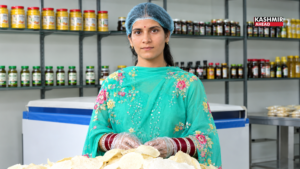
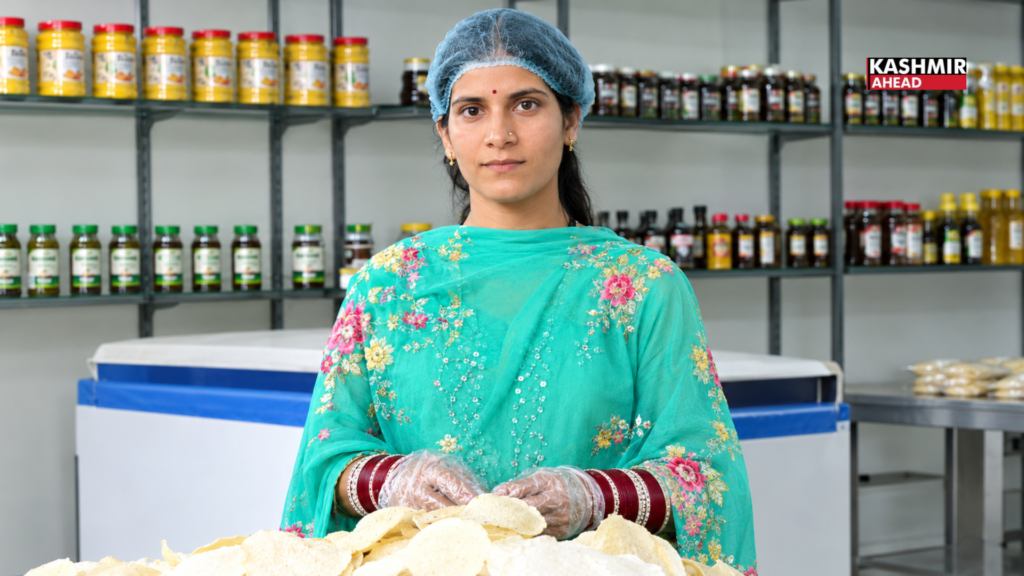
Women-led self-help groups, entrepreneurship schemes, livelihood missions, and financial inclusion initiatives continue to empower thousands of beneficiaries across Jammu and Kashmir.
Looking Ahead
As Jammu and Kashmir continues its development journey, the administration maintains that sustained public engagement, efficient governance, infrastructure expansion, economic growth, and citizen-centric policymaking will remain central to future progress.
Supporters of the current governance model point to the emphasis on implementation, continuous field visits, regular project monitoring, and direct interaction with citizens as factors that have strengthened public confidence and accelerated developmental initiatives across the Union Territory.
With ongoing investments in infrastructure, tourism, education, healthcare, agriculture, industry, digital governance, and entrepreneurship, Jammu and Kashmir is witnessing a period of transformation aimed at creating new opportunities for its people while building a stronger and more inclusive economy.