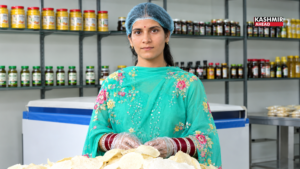
Udhampur, October 17,2026- In the hills of Udhampur, a humble dairy product has long held a special place in the kitchens of the Dogra region. Kaladi, the traditional cheese that is cooked, grilled or fried into a golden, chewy delicacy, is now stepping out of village homes and into the world of science, enterprise and wider markets. With the help of CSIR-CFTRI, Mysuru, its refrigerated shelf life has been extended to 28 days, a development that could open new doors for commercialisation, entrepreneurship, employment and global recognition of Jammu and Kashmir’s culinary heritage.
Kaladi is made from milk using age-old methods passed down through generations of mountain families. The milk is curdled, and the curd is pressed and shaped into discs. The cheese is then cooked on a pan with a little oil and often served with chutney or tucked into a bread roll known as Kalari kulcha. Its firm texture and rich, savoury flavour have made it a favourite snack in Udhampur, Ramnagar and nearby areas.
For all its popularity, Kaladi has remained largely a local product. Its short shelf life, traditional production practices and limited packaging have restricted its journey beyond nearby markets. Spoilage and inconsistent quality have also posed challenges for producers who wished to scale up.
The effort to address these limitations has come through scientific innovation. CSIR-Central Food Technological Research Institute, one of the country’s leading food research institutions, has worked on improving the preservation of Kaladi. Under refrigerated conditions, the cheese can now be kept for up to 28 days, a significant improvement that allows producers to store, transport and sell it over longer distances without compromising quality.
A longer shelf life changes the economics of a perishable product. Producers no longer need to sell their stock within a few days, retailers can plan inventory more reliably, and consumers in distant cities can enjoy a product that was once available only in the hills of Jammu. Standardised processes and better packaging can further ensure safety, consistency and hygiene, which are essential for entering organised retail and e-commerce channels.
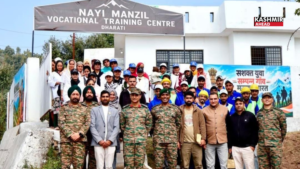
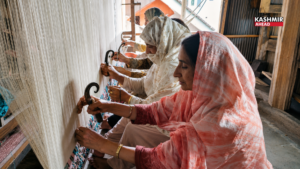
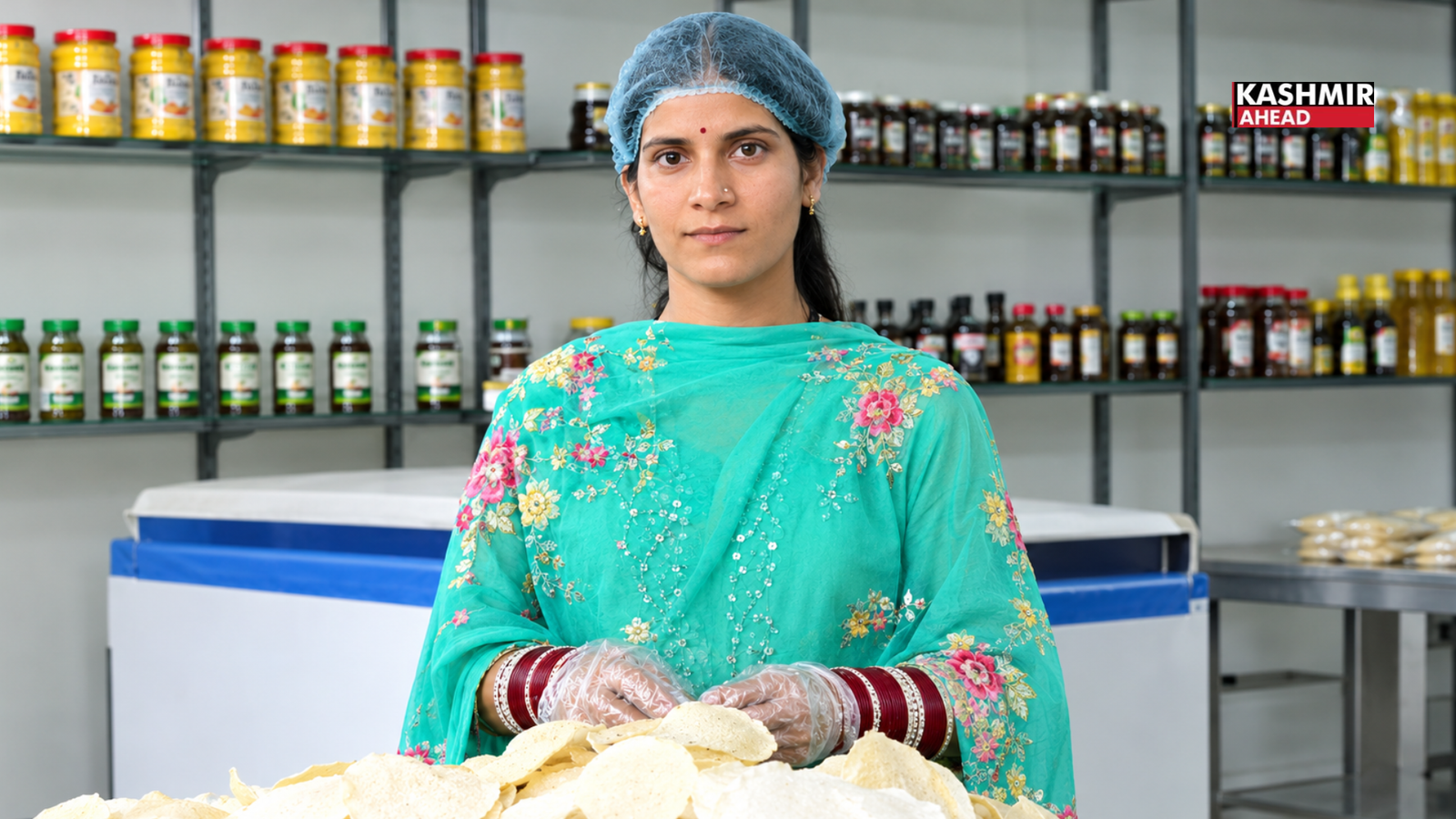
The development also carries promise for rural livelihoods. Dairy farming and cheese-making are closely tied to household incomes in the region, and many women and small producers are involved in preparing Kaladi. A stronger, more reliable market could encourage them to expand production, form cooperatives and set up micro-enterprises. With proper training, branding and market linkages, local entrepreneurs can build identifiable Kaladi brands, creating jobs in production, packaging, transport and retail. Young people, in particular, may find new avenues in food processing and agri-entrepreneurship without leaving their home districts.
Beyond commerce, the initiative speaks to the importance of preserving and promoting regional food traditions. Kaladi is not merely a food item but a symbol of Dogra culture and mountain life. Recognition tools such as the Geographical Indication tag, food festivals and participation in national and international exhibitions can help position it as a distinctive speciality of Jammu and Kashmir. As global consumers show growing interest in artisanal and heritage foods, a well-packaged, safe and authentic Kaladi has the potential to reach gourmet shelves worldwide.
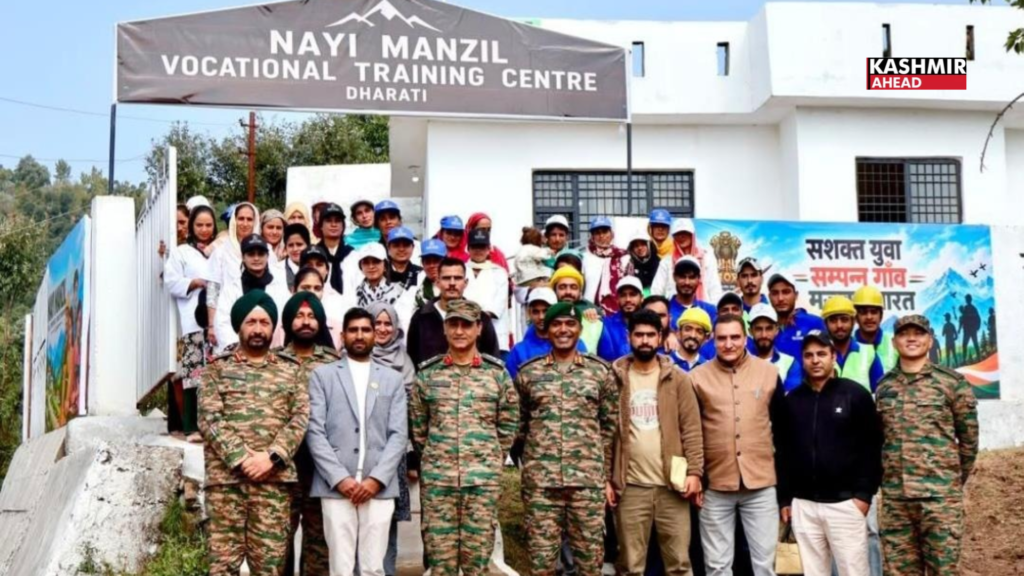
Challenges remain. Producers will need training in hygiene and quality standards, access to cold-chain facilities, and support in meeting food safety regulations. Collaboration between research institutions, government departments, farmers’ groups and entrepreneurs will be crucial to turning laboratory success into sustained commercial growth.
Yet the direction is encouraging. The extension of Kaladi’s shelf life to 28 days shows how science can serve tradition, protecting the flavours of the past while creating opportunities for the future. For Udhampur’s producers, it is a step that could turn a beloved local delicacy into a proud ambassador of Jammu and Kashmir’s culinary heritage.