Rajouri, October 18,2026 – As Karwa Chauth and Diwali approach, a small earthen lamp is lighting up more than homes in Rajouri. Muhammad Hussain, 75, and his wife Asiya Khatoon have been making and selling traditional earthen diyas for nearly four decades, and their work reflects the spirit of “Vocal for Local” as well as the enduring bonds of communal harmony and brotherhood.
Four Decades of Clay and Fire
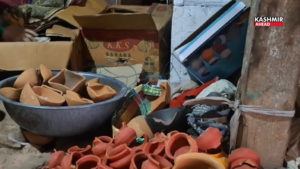
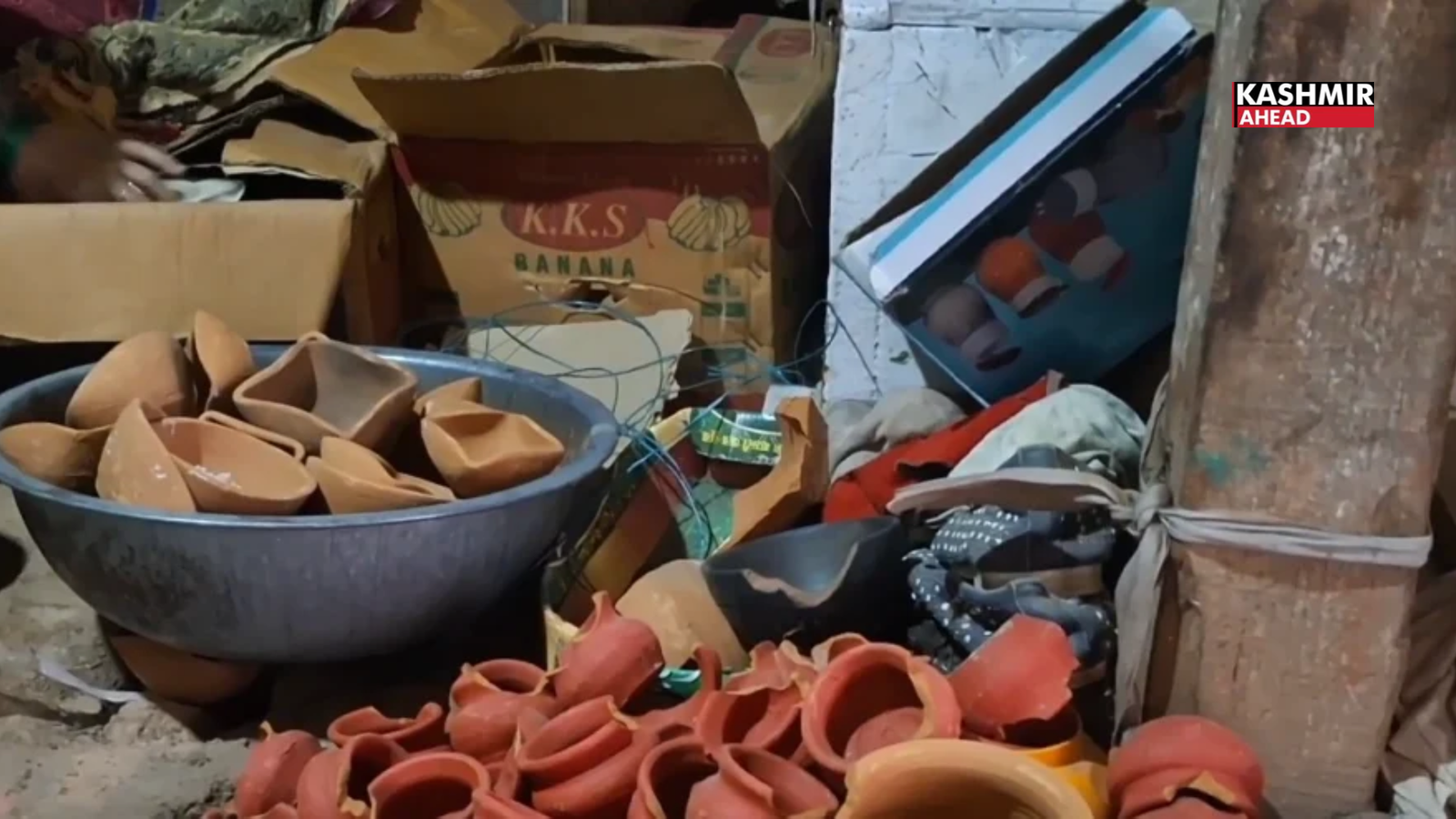
For almost forty years, the couple has shaped, dried and sold diyas in Rajouri. The craft begins with clay, which is moulded by hand or on the wheel, left to dry and then baked until firm. It is slow, physical work that depends on patience, steady hands and a feel for the material that only years of practice can build.
At 75, Hussain continues to work alongside his wife, and the two share the labour of making and selling. Their routine follows the rhythm of the festive calendar, with the busiest weeks arriving just before Karwa Chauth and Diwali.
Festive Demand Brings the Rush
Every year, as the festive season nears, demand for earthen lamps rises sharply. Families buy diyas to light homes, decorate doorways and place in puja thalis. On Karwa Chauth, lamps are part of evening rituals, and on Diwali they become the central symbol of the festival of lights.
The couple’s diyas are affordable, which keeps them within reach of ordinary households. For many buyers, picking up a few dozen from a local maker is a familiar part of preparing for the festival, and it brings a sense of tradition that factory-made decorations cannot match.
A Living Example of “Vocal for Local”
The idea behind “Vocal for Local” is simple: choose products made by local artisans and keep the earnings within the community. Hussain and Asiya Khatoon’s work shows what that looks like on the ground. Each diya bought from them supports a family that has depended on this craft for decades, rather than a distant supplier.
Buying local also helps preserve skills that are slowly fading. Traditional pottery is demanding, and fewer young people take it up as a livelihood. When customers choose handmade clay lamps, they help ensure that the craft still has a place in the market.
Light That Brings People Together
The story also carries a quieter message. Diyas are lit during festivals celebrated by one community, yet they are made, sold and bought across the town’s social fabric. Hussain and Asiya Khatoon’s decades of work for the festive season reflect the communal harmony and brotherhood that Rajouri and the wider Pir Panjal region have long been known for.
In a time when headlines often focus on division, such everyday exchanges between maker and buyer offer a gentler picture. A customer who stops at the couple’s stall for a few lamps is taking part in a shared tradition that does not ask where anyone comes from.
Challenges of a Traditional Craft
Making earthen lamps is not easy. Artisans depend on good clay, dry weather for drying and enough fuel or space for baking. Cheap decorative lights and imported alternatives also compete for the same festive spending. Rising costs and an ageing workforce add to the pressure on small potters.
Even so, the steady demand for traditional diyas shows that many families still prefer the warmth of a clay lamp lit with oil or ghee. Support from buyers, local administration and craft promotion schemes can help potters like Hussain continue their work with more security.
Why the Story Matters
Hussain’s story is not about large profits or sudden fame. It is about steady work, honest prices and a craft that has quietly served a community for nearly four decades. It reminds readers that the festive season depends on small producers whose names rarely make headlines.
This Karwa Chauth and Diwali, a few diyas bought from a local potter can do more than light a room. They can support a family, keep a tradition alive and strengthen the bonds that hold a community together.
For Muhammad Hussain and Asiya Khatoon, the reward is simple: seeing their lamps glow in homes across Rajouri, one festival after another.