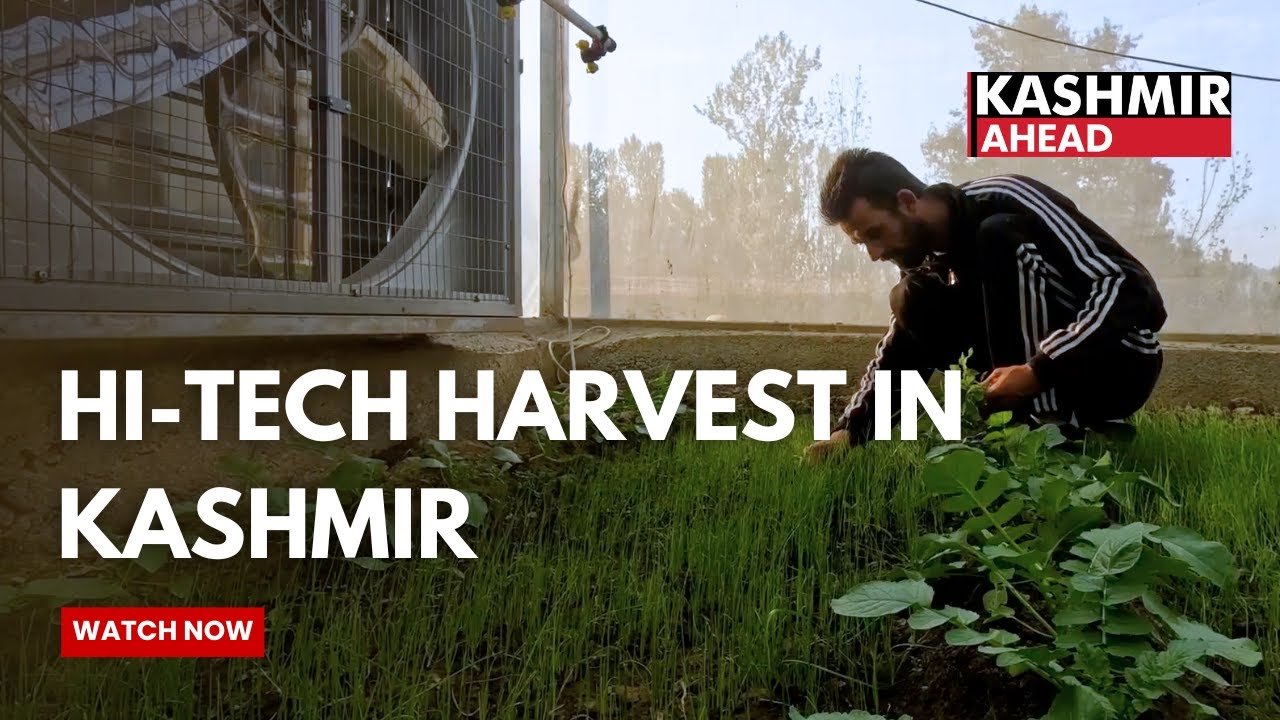
Srinagar, October 20, 2025 – In a significant step towards safeguarding Kashmir’s rich agricultural heritage, the Sher-e-Kashmir University of Agricultural Sciences and Technology (SKUAST-K) has unveiled a state-of-the-art Seed Gene Bank at its Faculty of Agriculture campus in Wadura, Sopore. This newly established facility is dedicated to conserving and promoting the region’s indigenous crop varieties, ensuring food security and biodiversity in the face of climate change and modernization pressures.
The Seed Gene Bank, inaugurated today by SKUAST-K Vice-Chancellor Prof. Nazir Ahmad Ganai, represents a milestone in the university’s ongoing efforts to blend traditional farming knowledge with cutting-edge agricultural innovation. Spanning 5,000 square feet, the bank features advanced cryogenic storage units capable of preserving over 10,000 seed accessions at temperatures as low as -18°C, alongside DNA fingerprinting labs and digital germplasm databases.
Initial collections include rare landraces of rice (such as the resilient ‘Kashmir 370’), wheat, maize, and high-altitude herbs like black cumin from Gurez Valley – crops that have sustained Kashmiri farmers for generations but are increasingly threatened by hybrid introductions and erratic weather patterns.”This Seed Gene Bank is more than a repository; it’s a lifeline for Kashmir’s indigenous crops,” said Prof. Ganai during the inauguration ceremony attended by local farmers, scientists, and officials from the Jammu and Kashmir Agriculture Department. “By preserving these genetic treasures, we empower future generations to develop climate-resilient varieties that honor our agro-biodiversity while boosting productivity. This aligns with national goals for sustainable agriculture and the UN’s Sustainable Development Goals on zero hunger and life on land.”The initiative stems from SKUAST-K’s Division of Plant Breeding and Genetics, in collaboration with the Indian Council of Agricultural Research (ICAR) and the National Bureau of Plant Genetic Resources (NBPGR). Over the past two years, teams led by Chief Scientist Prof. Muhammad Anwar Khan have conducted extensive surveys across Kashmir’s valleys, collecting over 2,500 samples of native crop germplasm.
Early focus areas include disease-resistant strains of paddy adapted to flood-prone areas and nutrient-dense millets suited to the region’s hilly terrains. The bank also incorporates community seed banks, allowing farmers to deposit and retrieve seeds, fostering a participatory model for genetic resource conservation.Kashmir’s agriculture, which supports over 70% of the rural population, faces acute challenges from diminishing genetic diversity. According to university estimates, nearly 30% of traditional varieties have been lost in the last decade due to monoculture farming and global seed trade. The Wadura Seed Gene Bank addresses this by prioritizing ex situ conservation – storing seeds outside their natural habitat – while integrating in situ methods like on-farm preservation in partnership with tribal communities in Kupwara and Bandipora districts.Experts hail the project as a beacon for biodiversity preservation in the Himalayas. Dr. Bilal Ahmad Bhat, Head of the Mountain Agriculture Research Station at SKUAST-K’s Izmerg outpost, noted, “These indigenous varieties aren’t just seeds; they’re encoded with adaptations honed over centuries.
By digitizing and characterizing them, we can accelerate breeding for traits like drought tolerance and nutritional enhancement, vital as Kashmir grapples with warming temperatures.”The facility’s launch coincides with SKUAST-K’s broader push into biotech innovations, including recent successes in gene-edited livestock and high-yield rice strains. Funding from the World Bank-ICAR National Agricultural Higher Education Project (NAHEP) has bolstered infrastructure, with plans to expand the bank into a regional hub linking with India’s National Gene Bank in New Delhi.Local farmers expressed optimism. Ghulam Mohammad, a 65-year-old paddy cultivator from nearby Sopore, shared, “Our old seeds know the soil here better than any imported ones. This bank gives us hope that our stories – and our harvests – won’t fade away.”
As Kashmir navigates the dual imperatives of tradition and progress, the SKUAST Wadura Seed Gene Bank stands as a testament to proactive agricultural innovation, poised to nurture the valley’s green legacy for years to come.