Kupwara, May 15,2026- Nestled in the picturesque frontier district of Kupwara in north Kashmir, Trehgam is steadily emerging as a symbol of transformation, resilience, and rural prosperity. Once known primarily as a remote border area facing developmental challenges, the region is now scripting a new chapter of economic growth, tourism expansion, and self-reliance through a combination of government initiatives, community participation, and infrastructure development.
The remarkable progress witnessed in Trehgam reflects the larger transformation taking place across border villages in Jammu and Kashmir. From the rapid rise in tourism to the growing success of self-help groups and entrepreneurship schemes, the region is becoming a model of inclusive development and grassroots empowerment.
One of the key drivers behind this transformation has been the focus on self-employment and livelihood generation. Officials said Trehgam currently has around 205 self-help groups (SHGs) and 85 units established under Mission Youth operating successfully across the area. These initiatives have opened new economic avenues for local residents, especially women and unemployed youth, enabling them to become financially independent and contribute actively to the local economy.
The self-help groups have been involved in a range of activities including handicrafts, tailoring, food processing, dairy farming, horticulture, and other small-scale enterprises. These ventures are not only generating sustainable income but are also strengthening the spirit of entrepreneurship among rural communities.
Local residents say that the rise of SHGs has brought significant social and economic change to the region. Women, in particular, are increasingly participating in economic activities and decision-making processes within their communities. Many of them who were previously dependent solely on agriculture or seasonal income sources are now running successful micro-businesses with the help of financial assistance and training support.
The Mission Youth initiative has further accelerated employment generation by supporting young entrepreneurs with financial aid, mentorship, and skill development programmes. The establishment of 85 Mission Youth units in Trehgam has encouraged educated youth to explore entrepreneurship instead of depending entirely on government jobs.
Young entrepreneurs in the area have launched businesses ranging from retail stores and service centres to tourism-related ventures and online enterprises. Residents believe this growing culture of entrepreneurship is helping reduce unemployment and creating a more self-sustaining local economy.
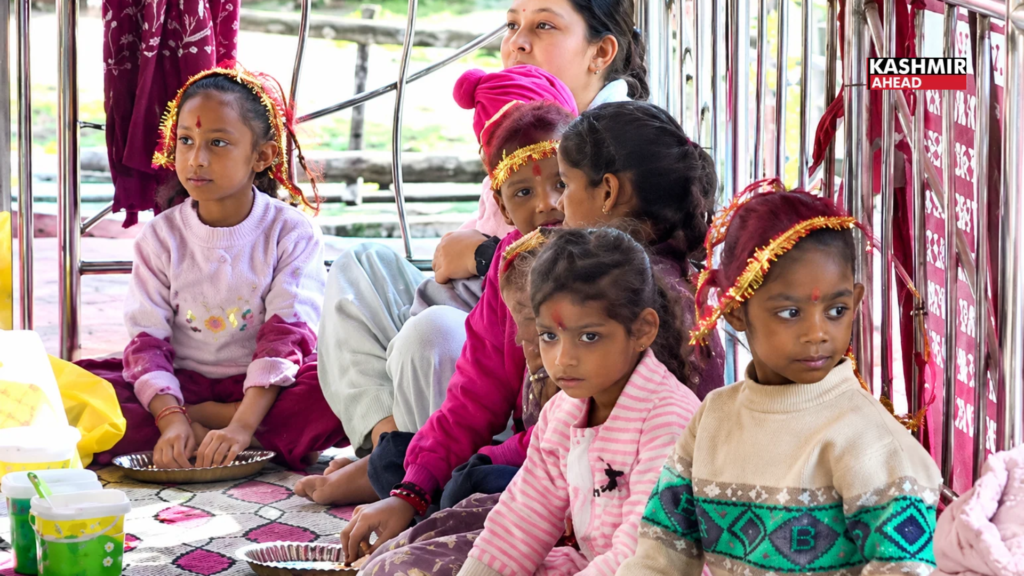
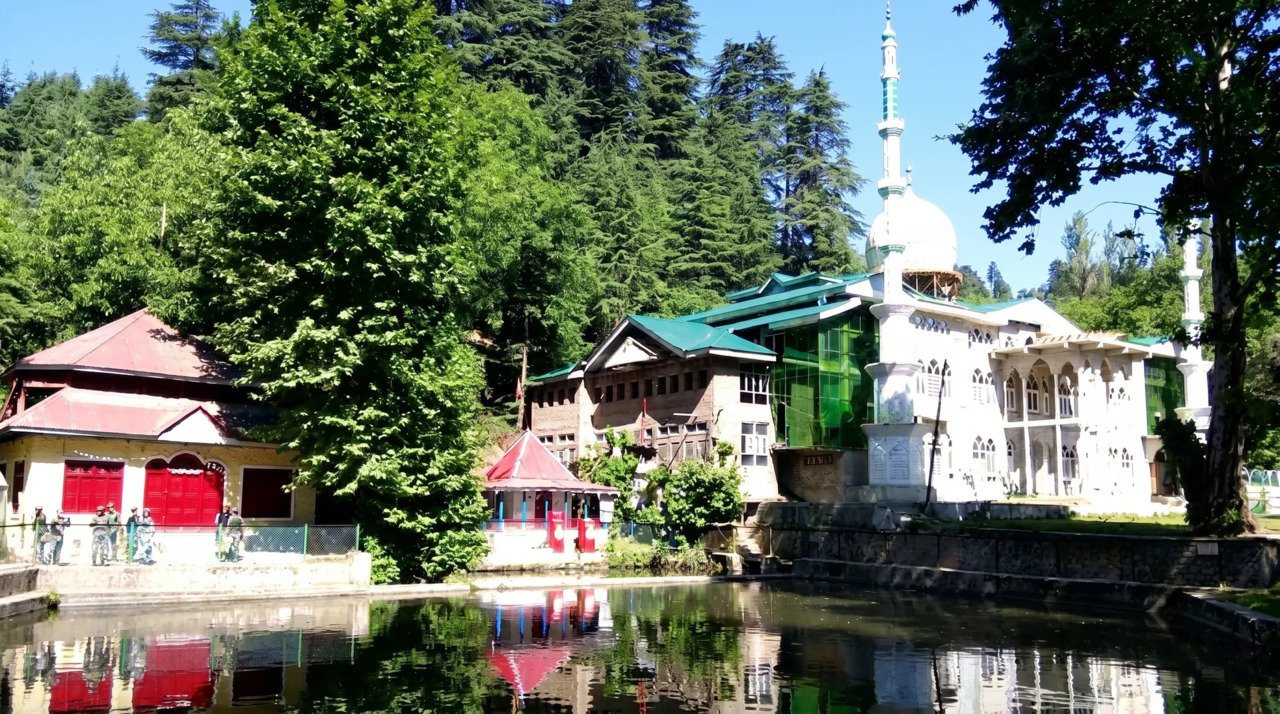
Apart from economic empowerment, tourism has emerged as another major pillar of development in Kupwara district. The revival of the historic Sharda Temple in Teetwal has played a transformative role in attracting visitors and reviving the tourism sector in the border region.
The Sharda Temple, considered an important symbol of Kashmir’s ancient cultural and spiritual heritage, has long held emotional and historical significance for people across the region. Its restoration and renewed public attention have brought Teetwal into the tourism spotlight, drawing pilgrims, heritage enthusiasts, and travellers from various parts of the country.
Tourism officials and local residents say the revival of the temple has breathed new life into economic activity in surrounding villages. Increased tourist arrivals have created demand for transport services, local guides, hotels, restaurants, handicrafts, and small businesses, directly benefiting local communities.
The numbers reflect the scale of this transformation. According to official figures, only around 6,900 tourists visited Kupwara district during 2018-19. However, in 2024-25, tourist arrivals surged dramatically to nearly 3.77 lakh visitors, marking one of the most significant tourism growth stories in Jammu and Kashmir.
This sharp rise in tourist footfall highlights the growing popularity of border tourism in Kashmir. Areas that were once relatively unexplored are now attracting visitors eager to experience the natural beauty, cultural richness, and unique heritage of frontier regions like Kupwara.
Tourists visiting the district are exploring destinations such as Teetwal, Bangus Valley, Keran, Lolab Valley, and other scenic border villages known for their breathtaking landscapes, lush green meadows, rivers, forests, and traditional Kashmiri culture.
Local businesses have witnessed a substantial boost due to this tourism boom. Hotel owners, guest house operators, taxi drivers, shopkeepers, and artisans say tourism has become an important source of livelihood for many families.
Many youths who once migrated to cities in search of work are now finding employment opportunities within their own villages through tourism and entrepreneurship-related activities. Homestays, eco-tourism ventures, trekking services, and local handicraft businesses are increasingly gaining popularity among visitors.
Residents say the development of border tourism has also helped change perceptions about remote areas in Kupwara. Improved connectivity, better roads, enhanced security conditions, and infrastructure upgrades have made these areas more accessible and attractive to tourists.
Infrastructure development has been another crucial factor behind the region’s transformation. Roads, bridges, healthcare facilities, educational institutions, and public amenities have seen major improvements in recent years. Locals say better infrastructure has not only enhanced the quality of life but also encouraged investment and economic growth.
Government welfare schemes and rural development programmes have also contributed significantly to the changing landscape of border villages. Various initiatives aimed at empowering women, supporting farmers, promoting entrepreneurship, and improving public services are helping communities build a stronger and more resilient future.
Education and digital connectivity are playing an increasingly important role in shaping the aspirations of the younger generation. Internet access and skill development programmes are enabling youth to explore new opportunities in education, e-commerce, tourism, and digital entrepreneurship.
Officials expressed confidence that the pace of development will continue in the coming years. Authorities believe that with sustained investment in infrastructure, tourism, and self-employment initiatives, every border village in Kupwara can emerge as a centre of prosperity and opportunity.
The vision for the future includes transforming border villages into vibrant economic and tourism hubs while preserving their cultural identity and ecological balance. Sustainable tourism, local entrepreneurship, and community participation are expected to remain central to this developmental model.
Residents of Trehgam and nearby areas say they are witnessing a sense of optimism and confidence that was largely absent in the past. Improved livelihoods, rising tourist activity, and expanding opportunities are encouraging people to invest in their future and remain connected to their roots.
Community members also emphasize the importance of maintaining peace, stability, and environmental conservation to ensure long-term progress. Many believe that tourism and development can thrive only when local culture, natural resources, and communal harmony are protected.
The transformation of Trehgam stands as an example of how targeted development initiatives, combined with public participation and local resilience, can reshape the future of remote regions. From self-help groups empowering women to the revival of heritage tourism at Sharda Temple, the district is steadily evolving into a symbol of growth and aspiration.
As Kupwara’s border villages continue their journey towards development and prosperity, the success story of Trehgam offers hope not only for Jammu and Kashmir but also for other remote and frontier regions across the country seeking inclusive and sustainable progress.