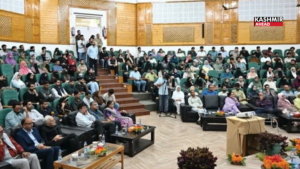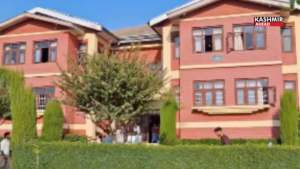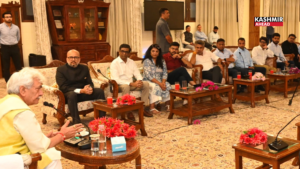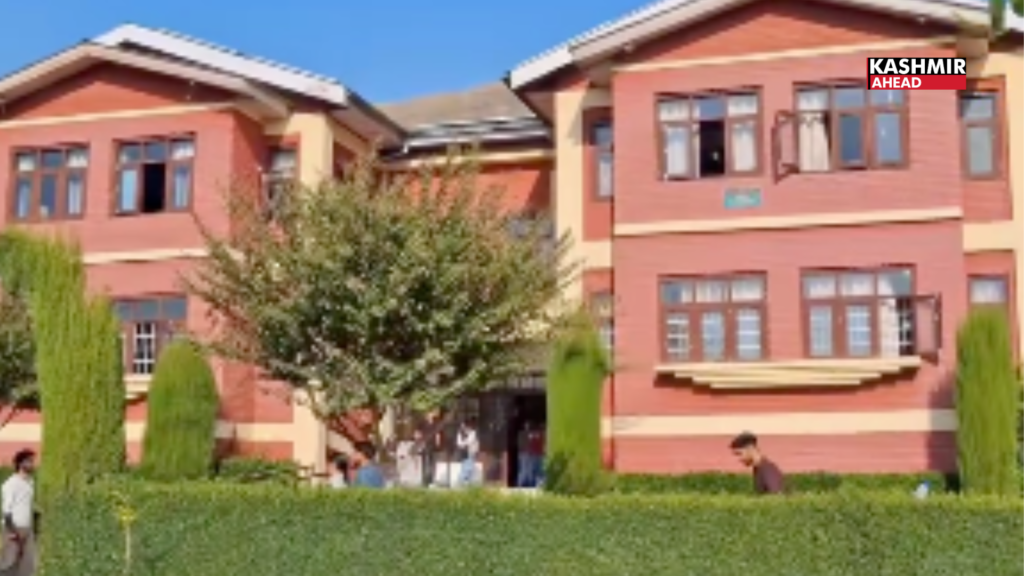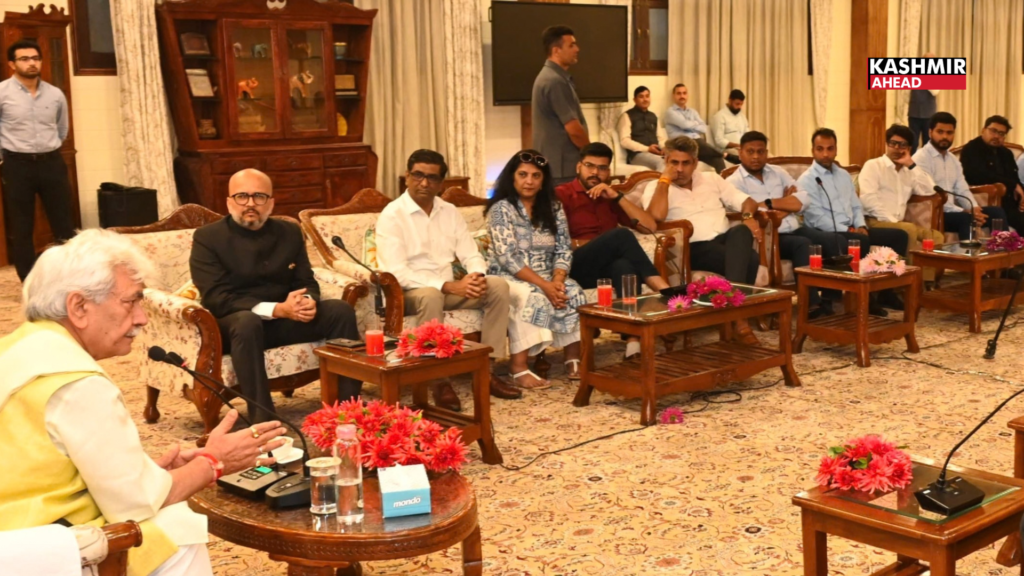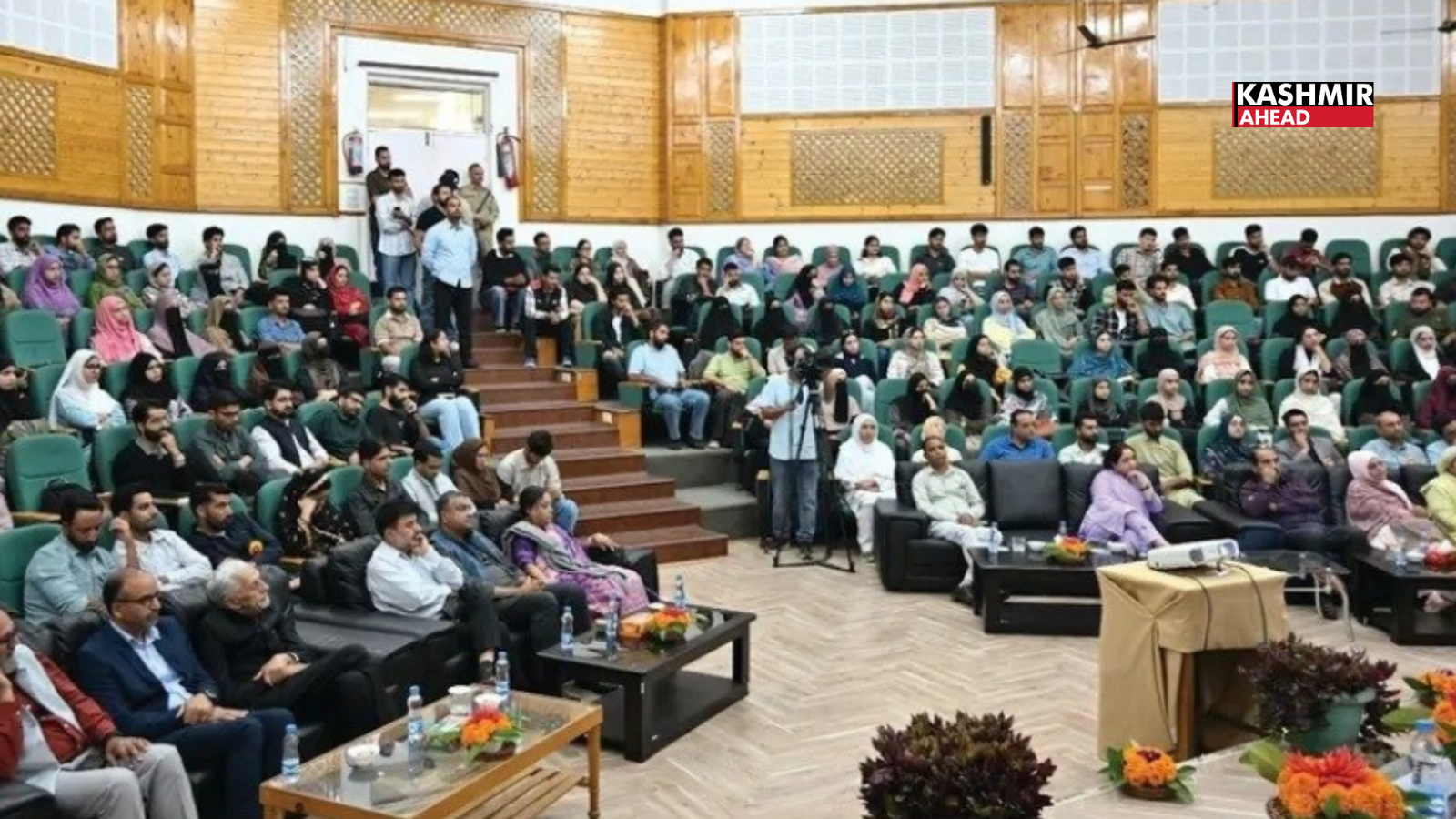
Kashmir, October 9,2026-The Department of Economics, University of Kashmir, has launched the second edition of EconFest-2026, a week-long academic festival that brings together students, researchers, scholars, alumni and industry experts. The fest will focus on research, career guidance, academic exchange and industry-academia interaction, creating wider opportunities for students.
The festival marks the return of an initiative that the department introduced as a platform to take economics beyond the classroom. Organisers say the aim is to connect academic learning with real-world questions, and to give students a space to present ideas, hear from practitioners and build networks that can support their careers.
Over the course of the week, the programme is expected to include a mix of academic and interactive sessions that reflect the festival’s four stated priorities. Research is at the centre of the agenda, with students and scholars encouraged to share their work, test their arguments before an informed audience and receive feedback from peers and faculty. Such exchanges are widely regarded as an important part of developing young researchers, particularly in a discipline where data, methods and policy relevance shape the quality of work.
Career guidance is another focus area. Economics graduates move into a wide range of fields, including banking and finance, public policy, development work, consulting, data analytics, teaching and civil services. By inviting alumni and industry experts to interact with current students, the department hopes to give participants a clearer picture of the options available and the skills required to pursue them. Students often say that conversations with those who have walked the same path are among the most useful parts of such events.
The festival also places emphasis on academic exchange. Bringing together scholars from within and outside the university allows ideas to travel across institutions and disciplines. For students in the Valley, access to such discussions can broaden their perspective, expose them to current debates in economics and encourage them to pursue higher studies and research with greater confidence.
Industry-academia interaction forms the fourth pillar of the event. Economists and educators have long pointed to the need for closer links between universities and the world of work, so that curricula and training remain relevant to changing economic conditions. Interaction with professionals from industry can help students understand how economic concepts are applied in business, finance, public institutions and the wider economy, and help employers better understand the strengths of local graduates.
The participation of alumni adds a further dimension to the festival. Former students returning to the department can share their experiences, offer mentorship and show current students what is possible after graduation. For a department with a growing network of graduates working in different sectors, such engagement helps build a lasting community around the discipline.
The Department of Economics at the University of Kashmir is among the established academic units of the university, and its faculty and students have contributed to discussions on regional development, public finance, agriculture, tourism and employment. A festival of this kind offers an opportunity to bring those conversations to a wider audience and to link them with the concerns of young people looking for meaningful careers.
Observers note that academic festivals have become an effective way to make learning more engaging. Unlike routine lectures, they combine talks, discussions and participation, and encourage students to take part rather than simply listen. By holding the event over a full week, the department has created room for varied activities and for deeper engagement with each theme.
As the second edition gets under way, organisers have expressed hope that EconFest-2026 will grow into a regular fixture on the university’s academic calendar. They say the larger goal is to inspire curiosity, strengthen research culture and open doors for students who are preparing to enter the economy as professionals, policymakers and entrepreneurs.
With its blend of research, mentorship and practical exposure, the festival reflects a wider effort to prepare students for a fast-changing world, and to ensure that learning at the university remains closely linked to the needs of society.