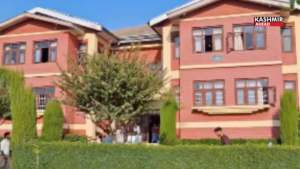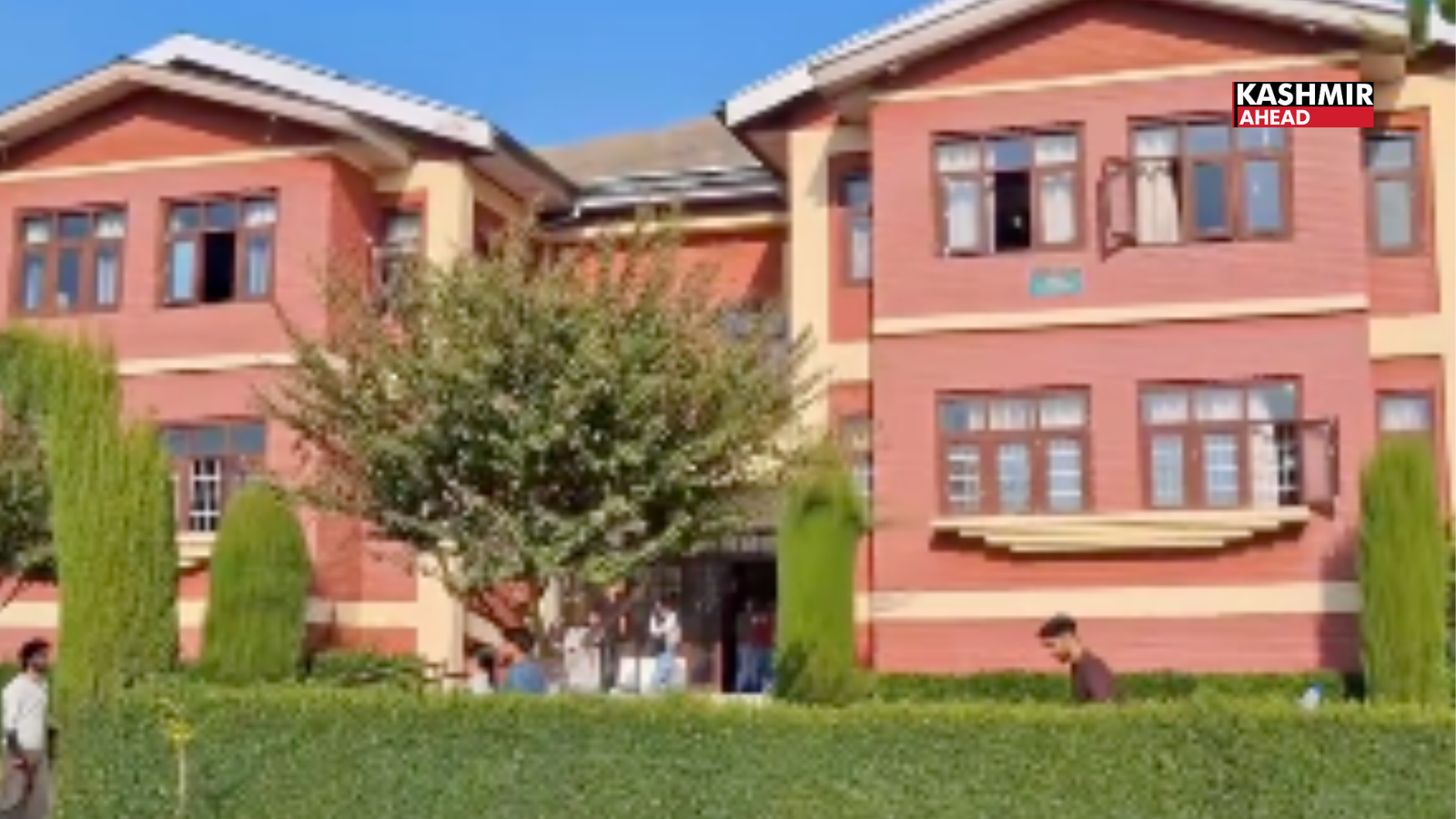
Awantipora , October 9,2026- Seven scientists from the Islamic University of Science and Technology (IUST), including Vice-Chancellor Prof. Shakil A. Romshoo, have been named in the World’s Top 2% Scientists List 2026, prepared by Stanford University in collaboration with Elsevier. The recognition highlights the university’s growing global research impact and academic excellence.
The inclusion of seven faculty members in the globally cited list is being regarded as a significant milestone for IUST, which has steadily expanded its research footprint in recent years. The listing reflects the work of researchers whose publications have drawn wide attention from peers across the world. The announcement has been welcomed within the university community, with colleagues and students describing it as a matter of pride for the institution and the region.
The World’s Top 2% Scientists List is compiled by a team of researchers at Stanford University, led by Prof. John P. A. Ioannidis, using data from Elsevier’s Scopus database. It ranks researchers on a composite of citation indicators, including total citations, the h-index and measures that account for co-authorship and authorship position. The list is published in two forms, one measuring career-long impact and the other measuring impact in a single calendar year, and scientists are classified across a wide range of fields and sub-fields. Although the database is widely cited in academic circles as an indicator of research influence, experts note that no single metric can capture the full value of scholarly work.
Prof. Shakil A. Romshoo, who heads the university as Vice-Chancellor, is a well-known earth scientist whose work has focused on glaciers, hydrology, climate change and environmental hazards in the Himalayan region. His research has contributed to a wider understanding of how changing climate patterns affect water resources and ecosystems in Jammu and Kashmir and beyond. His inclusion in the list, along with six colleagues, points to a broader culture of research at the university, where faculty members work across disciplines and collaborate with institutions in India and abroad.
Located in Awantipora in south Kashmir’s Pulwama district, IUST has positioned itself as a centre for science, technology and innovation. In recent years, the university has encouraged its faculty to publish in reputed international journals, pursue collaborative projects and engage with global research networks. The latest recognition is expected to strengthen its standing and could help attract talented researchers, collaborations and funding opportunities.
Educators say achievements of this kind show students and early-career researchers that world-class work can emerge from institutions in Jammu and Kashmir. They add that sustained investment in laboratories, mentorship and international partnerships can help translate local talent into global impact. The faculty members named in the list are expected to continue guiding research scholars, supervising projects and contributing to knowledge in their respective fields.
With the 2026 listing, IUST joins the group of Indian institutions whose scientists have earned a place in the Stanford-Elsevier rankings. University officials and well-wishers say the recognition should serve as motivation to deepen research efforts, encourage innovation and build on the momentum. As the university continues to expand its academic and research ecosystem, the achievement of its seven scientists stands as a marker of progress and a reminder of the Valley’s potential on the global scientific stage.