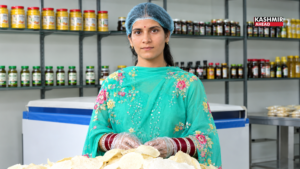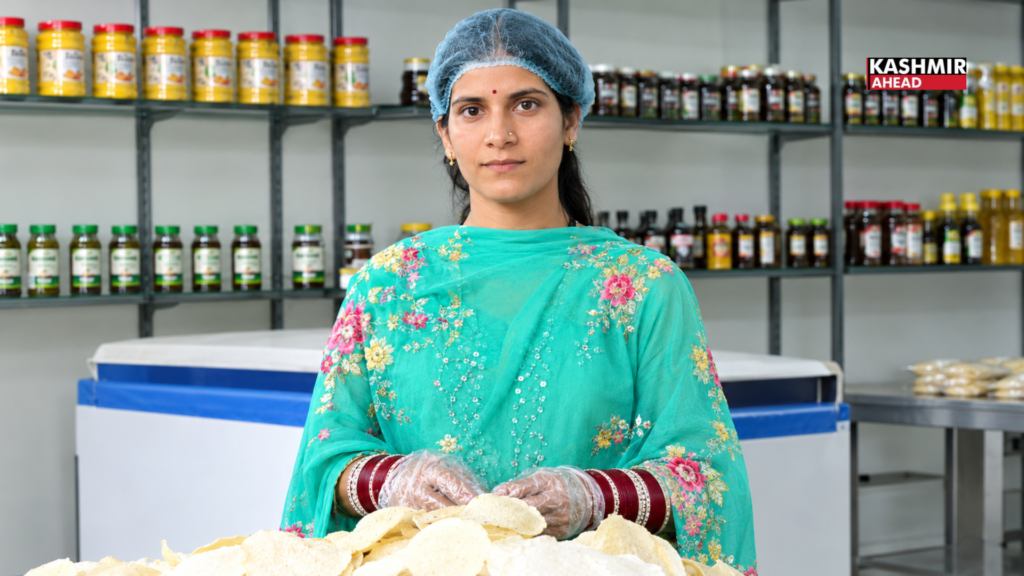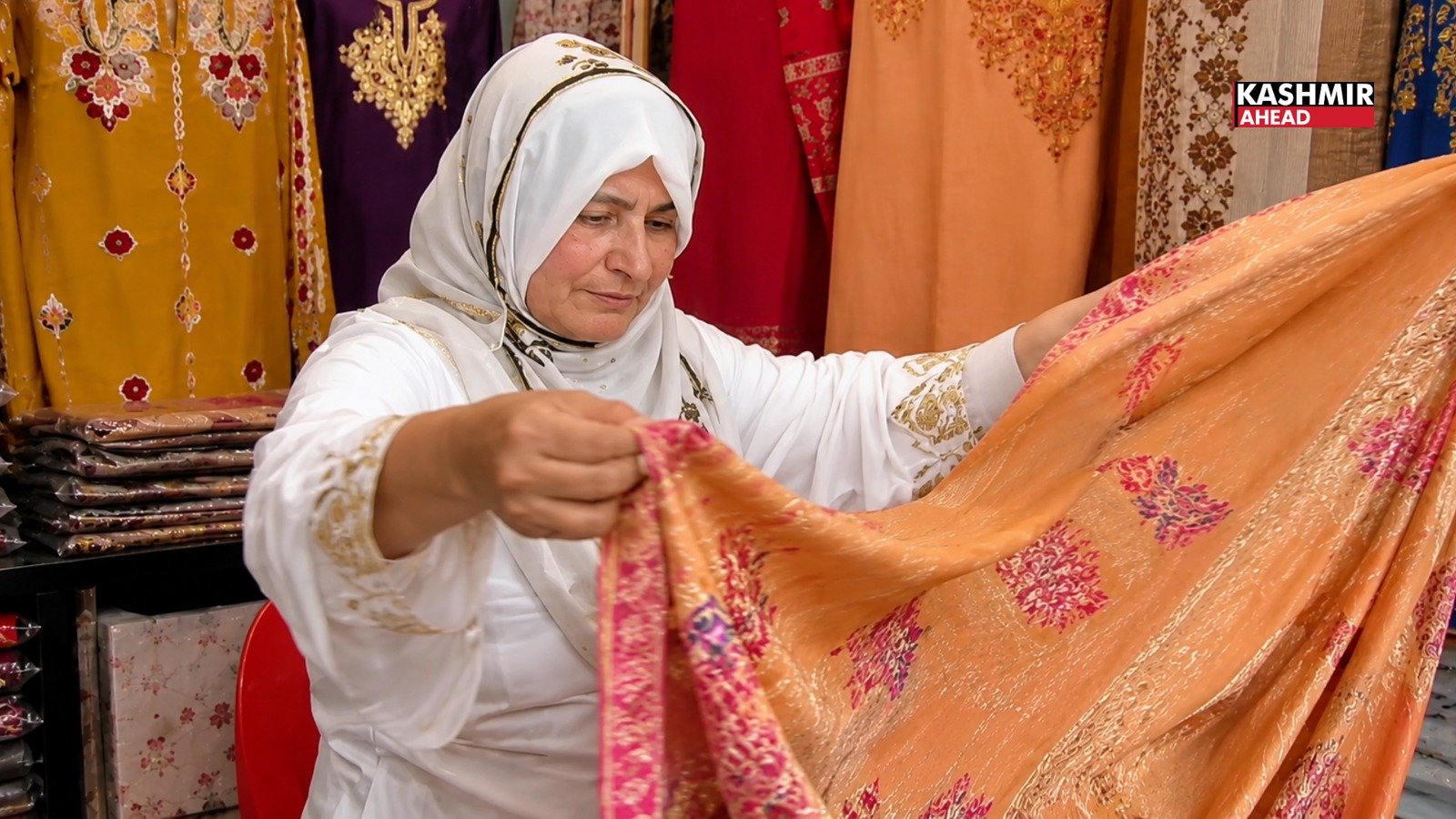
Srinagar, August 17,2026- Women Entrepreneurship in Kashmir is steadily rewriting the region’s rural economic story, and Joziya Jan’s journey is one of its most inspiring chapters. A self-help group (SHG) member associated with the Jammu & Kashmir Rural Livelihoods Mission (JKRLM), popularly known as UMEED, Joziya turned grassroots community support into a Kashmir art enterprise, proving that rural women don’t just find jobs — they create them for others too.
A Journey Rooted in Community Support
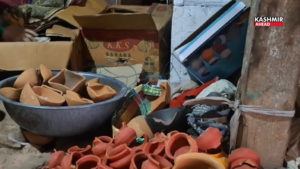
Joziya Jan’s story began, like that of thousands of other women across Jammu and Kashmir, with her association with a self-help group under UMEED. What started as a platform for collective savings, skill-building, and mutual support gradually became the foundation for a personal enterprise. Drawing on the training, financial assistance, and market linkages provided through her SHG, Joziya established her own Kashmir art venture, turning traditional craft skills into a source of sustainable livelihood and long-term economic independence for herself and her family.
Her enterprise reflects the rich artistic heritage of the Kashmir Valley, known worldwide for crafts such as papier-mâché, embroidery, and handwoven textiles. By channelling this heritage into a structured business, Joziya has secured her own financial independence and created a model other women in her community can look up to, reinforcing why Women Entrepreneurship in Kashmir is gaining fresh momentum at the grassroots level.
UMEED: Building Grassroots Institutions for Rural Women
JKRLM operates as the Jammu and Kashmir chapter of the Centre’s flagship National Rural Livelihoods Mission (NRLM), a poverty-alleviation programme centred on women’s empowerment through self-managed institutional platforms, financial inclusion, and sustainable livelihoods, aimed at reducing rural poverty and building strong grassroots institutions for the poor.
Over the years, UMEED has organised rural women into tens of thousands of self-help groups across Jammu and Kashmir, offering training, seed funding, and access to markets — both physical and digital — to help their micro-enterprises grow into viable, sustainable businesses. Women associated with the scheme have started ventures ranging from handicrafts and embroidery to dairy, packaging, and mushroom cultivation, with many becoming employers by generating jobs for others in their villages. Each such story adds momentum to the larger movement of Women Entrepreneurship in Kashmir, showing how sustained institutional support turns small beginnings into lasting livelihoods.
From Beneficiaries to Job Creators
What sets stories like Joziya Jan’s apart is the shift in narrative — from women as passive beneficiaries of welfare schemes to active job creators in the rural economy. As her Kashmir art venture grows, it holds strong potential to generate employment for other local artisans, extending the benefits of her success beyond her own household to the wider community around her.
This shift mirrors a broader trend being witnessed across Jammu and Kashmir, where SHG members trained under UMEED have gone on to tap into national and international markets through e-commerce partnerships and government-backed exhibitions, giving Kashmiri art and craftsmanship renewed visibility and commercial value. It is this combination of skill, market access, and institutional trust that continues to power Women Entrepreneurship in Kashmir across even the most remote villages of the Union Territory, one enterprise at a time.
A Model for Rural Women’s Empowerment
Joziya Jan’s transition from an SHG member to a confident entrepreneur underscores the impact of sustained institutional support in unlocking the economic potential of rural women. Her story adds to a growing list of success narratives emerging from Jammu and Kashmir’s villages, where women are increasingly stepping out of the shadows of economic dependency to build enterprises rooted in local skills and traditions, inspiring the next generation to follow the same path toward self-reliance and dignity.