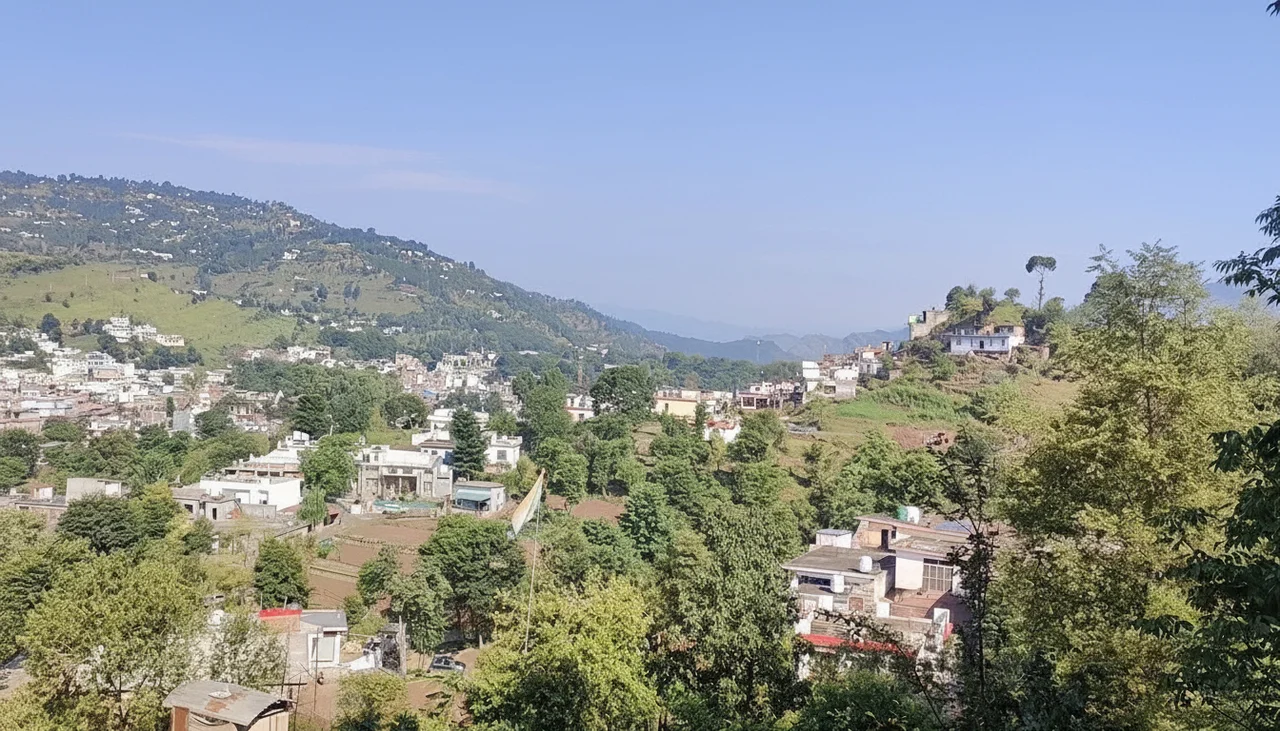
Poonch, June 19,2026-In a major push to tourism development and tribal welfare, the government has sanctioned ₹6.5 crore for the establishment of a Tribal Tourism Village at Bhera in Mendhar subdivision of Poonch district. The initiative is expected to showcase the rich cultural heritage of tribal communities while creating new livelihood opportunities and strengthening the local economy in the border region.
The Tribal Tourism Village project aims to preserve and promote the unique traditions, crafts, cuisine, and lifestyle of local tribal communities, providing visitors with an authentic cultural experience. The project is also expected to improve tourism infrastructure in the area and attract both domestic and international tourists.
Officials said the initiative will generate employment opportunities for local youth, artisans, and entrepreneurs by encouraging community participation in tourism-related activities. The project will support homestays, handicrafts, cultural performances, eco-tourism ventures, and other sustainable tourism practices that directly benefit local residents.
The approval of the project marks a significant step towards inclusive development in Poonch, a district known for its scenic landscapes, cultural diversity, and strategic importance along the Line of Control. By integrating tourism with heritage conservation, the government aims to create a model of sustainable development that empowers tribal communities while boosting the region’s economic prospects.
Local residents have welcomed the decision, expressing hope that the project will bring greater visibility to the area’s cultural richness and open new avenues for income generation. Once completed, the Tribal Tourism Village is expected to emerge as a major attraction in the Pir Panjal region, contributing to the growth of tourism in Jammu and Kashmir.
The initiative aligns with broader efforts to promote rural and tribal tourism across the Union Territory, ensuring that development reaches remote and border areas while preserving their unique cultural identity.