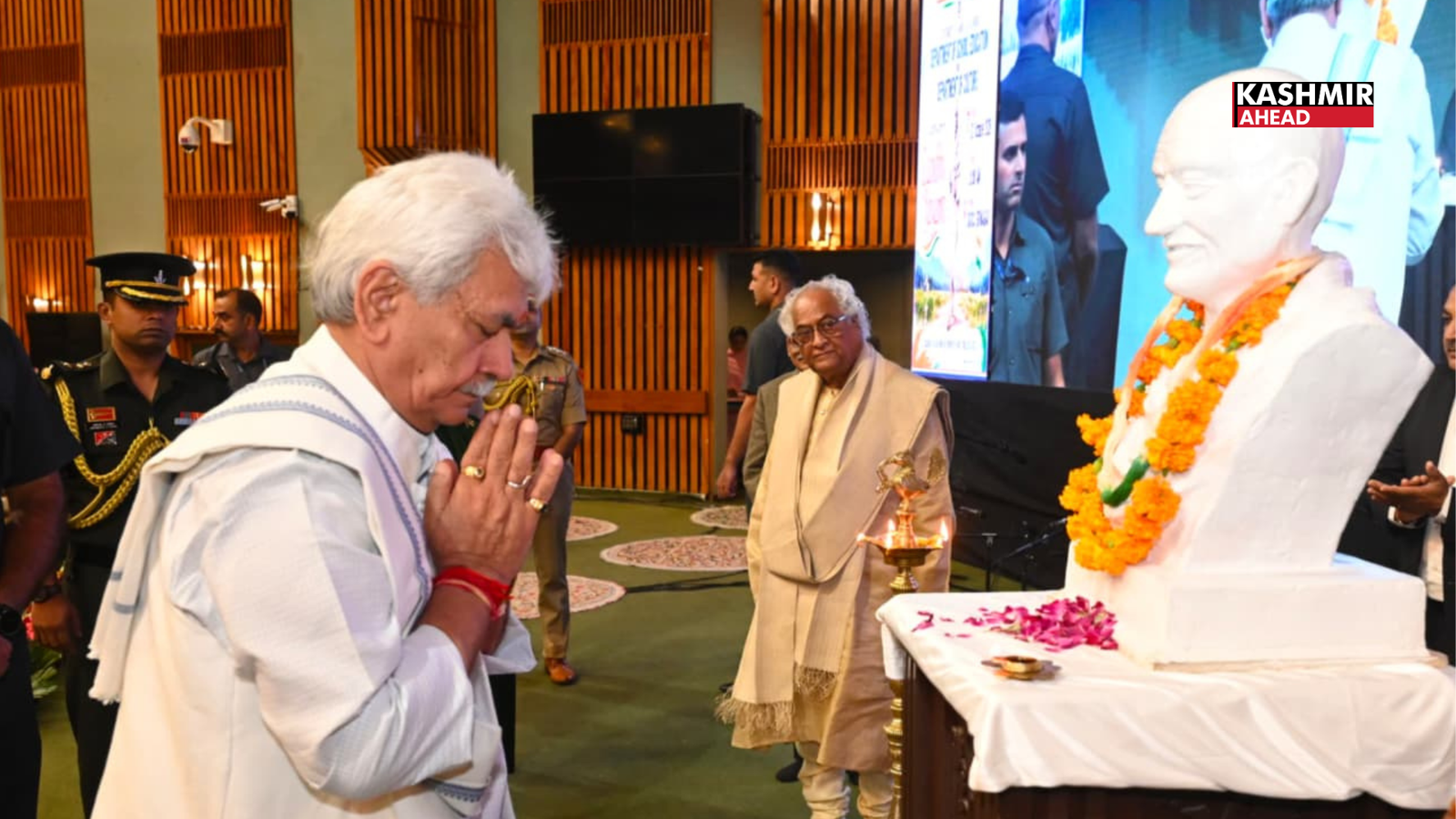
Kashmir, October 2, 2026-Jammu and Kashmir Lieutenant Governor Manoj Sinha paid tribute to Mahatma Gandhi on Gandhi Jayanti, describing the ideals of truth and non-violence as timeless guides for the nation. He also said that as rapid technological progress reshapes everyday life, it must be made to serve humanity and inclusivity.
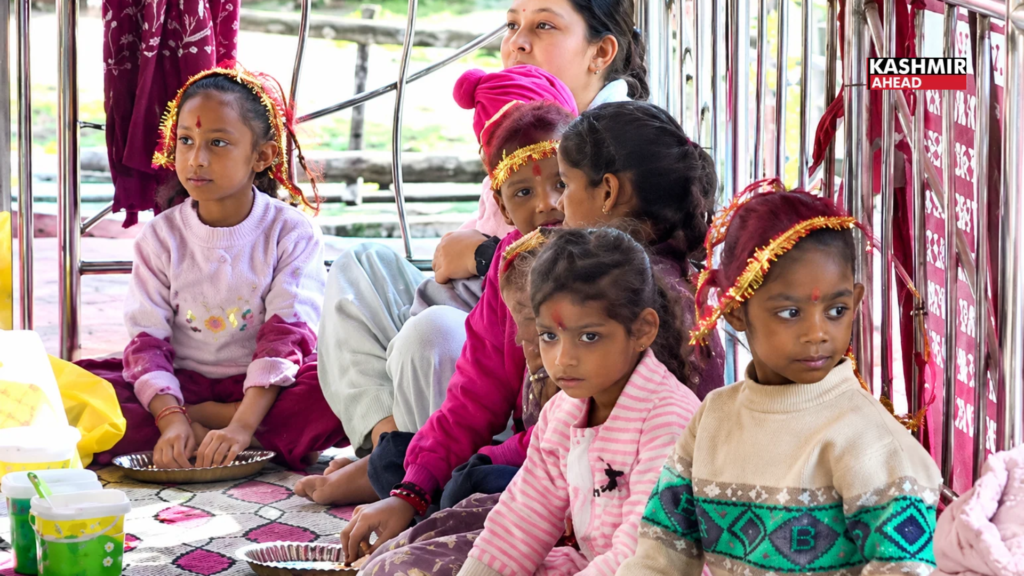
The Lieutenant Governor attended a commemoration event organised by the Department of School Education and the Department of Culture to mark the birth anniversary of the Father of the Nation. In a message after the event, he bowed to Pujya Mahatma Gandhi and said Bapu’s principles remain as relevant today as they were during the freedom struggle.
Sinha said truth and non-violence continue to offer direction in an age of fast change. Gandhi’s belief that the means matter as much as the ends is a useful reference point at a time when society is grappling with new questions about technology, work and social harmony. Values, in other words, must keep pace with innovation.
A central point of the message was the speed of technological change. Artificial intelligence, digital platforms and automation are transforming how people learn, work and communicate. Sinha said this progress should not widen social gaps. Technology, he said, must be harnessed for the benefit of humanity and used in a way that includes everyone, from students in cities to citizens in remote areas who are still gaining access to digital tools.
The remark reflects a concern shared by educators and policymakers across the country: that the benefits of innovation can be uneven unless deliberate efforts are made to reach disadvantaged groups. By linking this concern to Gandhi’s philosophy of serving the last person in society, the Lieutenant Governor framed inclusive technology as an extension of Bapu’s vision rather than a departure from it.
Sinha also tied Gandhi’s legacy to the national goal of building a Developed India by 2047, the centenary year of independence. He said Bapu’s vision continues to inspire this effort. The idea that development should rest on values as well as economic growth runs through Gandhi’s thinking on self-reliance, dignity of labour and community welfare.
The involvement of the School Education and Culture departments highlights the role of young people and cultural expression in keeping Gandhian ideals alive. Schools are where values such as honesty, tolerance and civic responsibility are first learned. Cultural programmes, in turn, help communities connect with the lives and thoughts of national icons. Together, they make Gandhi Jayanti an occasion for reflection as well as remembrance.
For a Union Territory with a large young population, the message carries particular weight. The emphasis on technology that includes everyone resonates with ongoing efforts to expand digital learning, skill development and employment opportunities for youth across the region. The call for non-violence and truthfulness, meanwhile, speaks to the wider aspiration for lasting peace and progress.
It also points to a practical challenge. Access to devices, connectivity and digital skills still differs from place to place, and closing those gaps will decide whether new technologies lift everyone or only a few. Framing the issue through Gandhi’s ideals gives it a moral dimension that goes beyond infrastructure and policy.
The Lieutenant Governor’s tribute was brief but clear in its direction. It asked people to honour Gandhi by carrying his values into the present: using new tools responsibly, keeping society inclusive and working toward a developed nation that leaves no one behind.
As the country marks another Gandhi Jayanti, the message from Jammu and Kashmir is that Bapu’s ideas offer practical guidance for the future as well as a reason to remember the past.