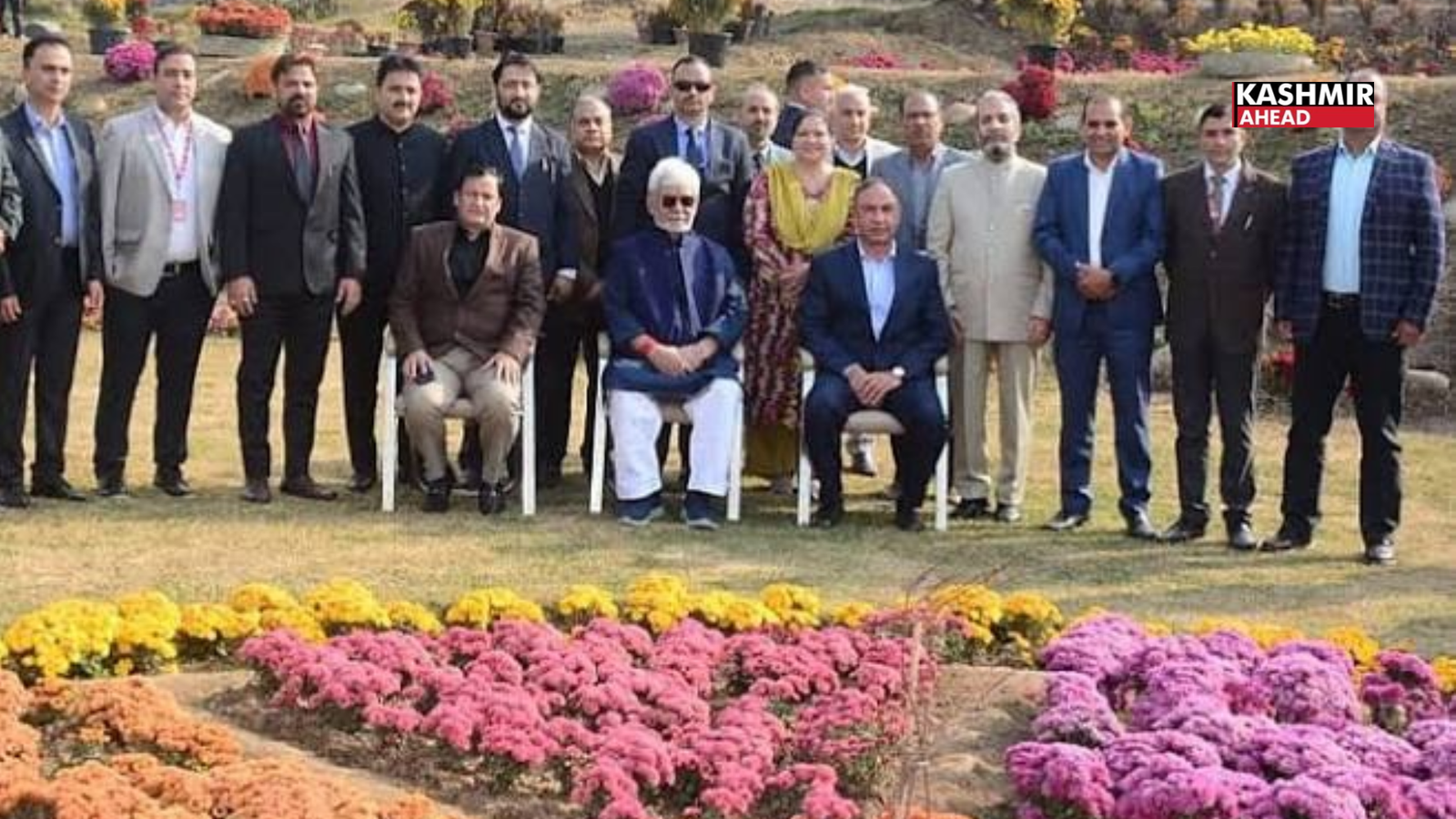
Srinagar, November 11,2026- Lieutenant Governor Shri Manoj Sinha on Wednesday inaugurated four key infrastructure facilities at Sher-e-Kashmir University of Agricultural Sciences and Technology of Kashmir (SKUAST-Kashmir), emphasising the importance of agricultural universities in strengthening food security, promoting sustainable farming and accelerating rural development in Jammu and Kashmir.
Addressing the gathering on the occasion, the Lieutenant Governor said agricultural universities play a crucial role in transforming research, knowledge and farmers’ aspirations into practical solutions. He observed that the four newly inaugurated facilities represent a comprehensive vision for modern agriculture, technological innovation and rural advancement.
The four facilities include a solar-powered Internet of Things (IoT)-based irrigation and fertigation system, a Prototype Design and Development Centre, the Directorate of Innovation and Entrepreneurship, and a Health and Wellness Centre.
Highlighting the benefits of modern agricultural technology, the Lieutenant Governor said the solar-powered IoT-based irrigation and fertigation system would help farmers provide crops with the right quantity of water and nutrients at the appropriate time. He noted that the technology has considerable potential to benefit small and marginal farmers by reducing labour-intensive irrigation practices and dependence on conventional energy sources.
He called upon SKUAST-Kashmir to extend this technology to villages within the coming year and involve farmers in its further improvement. He also stressed the need to convert sensor-generated data into simple and practical agricultural advisories in local languages so that farmers can easily understand and benefit from technological advancements through digital platforms.
The Lieutenant Governor also inaugurated the Prototype Design and Development Centre, describing it as an important step towards promoting agricultural mechanisation and innovation. He said the centre would provide opportunities to transform innovative ideas into practical agricultural tools and technologies, while bridging the gap between laboratory research and field-level applications.
Emphasising the importance of entrepreneurship and employment generation, Shri Manoj Sinha described the Directorate of Innovation and Entrepreneurship as a transformative initiative for young innovators. He encouraged students to move beyond traditional career choices and become job creators by establishing enterprises in areas such as seed testing, cold-chain management and soil health services.
He urged the university to develop the directorate into a comprehensive support platform offering mentorship, technical guidance and assistance in accessing financial resources for aspiring entrepreneurs across Jammu and Kashmir.
Setting an ambitious target, the Lieutenant Governor called upon SKUAST-Kashmir to facilitate the establishment of at least 100 student-led enterprises and startups from the university campus within the coming year.
“We must make data and technology partners of the farmer. Our goal should be to establish at least 100 student-led enterprises and startups from the SKUAST-Kashmir campus within the coming year,” he said.
He further emphasised the need to strengthen coordination between research laboratories, cooperative societies, Farmer Producer Organisations (FPOs) and farmers to ensure that scientific innovations reach the grassroots level. He specifically highlighted the importance of placing youth and women farmers at the centre of future agricultural programmes.
The Lieutenant Governor also inaugurated the Health and Wellness Centre, describing it as a valuable addition to the university’s infrastructure that would support the physical and overall well-being of students and faculty members.
Speaking about the challenges posed by climate change, he called for making sustainable development and environmental protection central to the university’s institutional priorities. He said agricultural institutions must play a proactive role in developing climate-resilient farming practices and ensuring the long-term sustainability of natural resources.
Highlighting Jammu and Kashmir’s agricultural identity, Shri Manoj Sinha said the region’s hardworking farmers, artisans and rich traditions of agriculture, horticulture and handicrafts form the foundation of its rural economy.
He noted that projects under the Holistic Agriculture Development Programme (HADP) and farmer-centric policies implemented over the past six years have contributed significantly to strengthening the rural economy and creating new opportunities for employment and entrepreneurship among young people.
The Lieutenant Governor stressed that the real success of modern agricultural technology would depend on its ability to improve the lives and incomes of farmers, particularly those belonging to small and marginal farming communities.
“The true measure of our progress should be the rising income of farmers, their economic security, a better future for their families, and the new opportunities emerging in rural areas,” he said.
On the occasion, the Lieutenant Governor also released a coffee table book highlighting the achievements, milestones and institutional journey of SKUAST-Kashmir.
Additionally, the Multi-Tier Data Management and Accreditation Workflow System was launched to strengthen institutional data management and streamline accreditation-related processes.
The initiatives are expected to strengthen agricultural research, encourage innovation, promote entrepreneurship and improve the adoption of modern farming technologies, further supporting the vision of a prosperous and self-reliant rural economy in Jammu and Kashmir.