Kashmir Ahead

70 Kathua farmers visit Bhaderwah for horticulture training

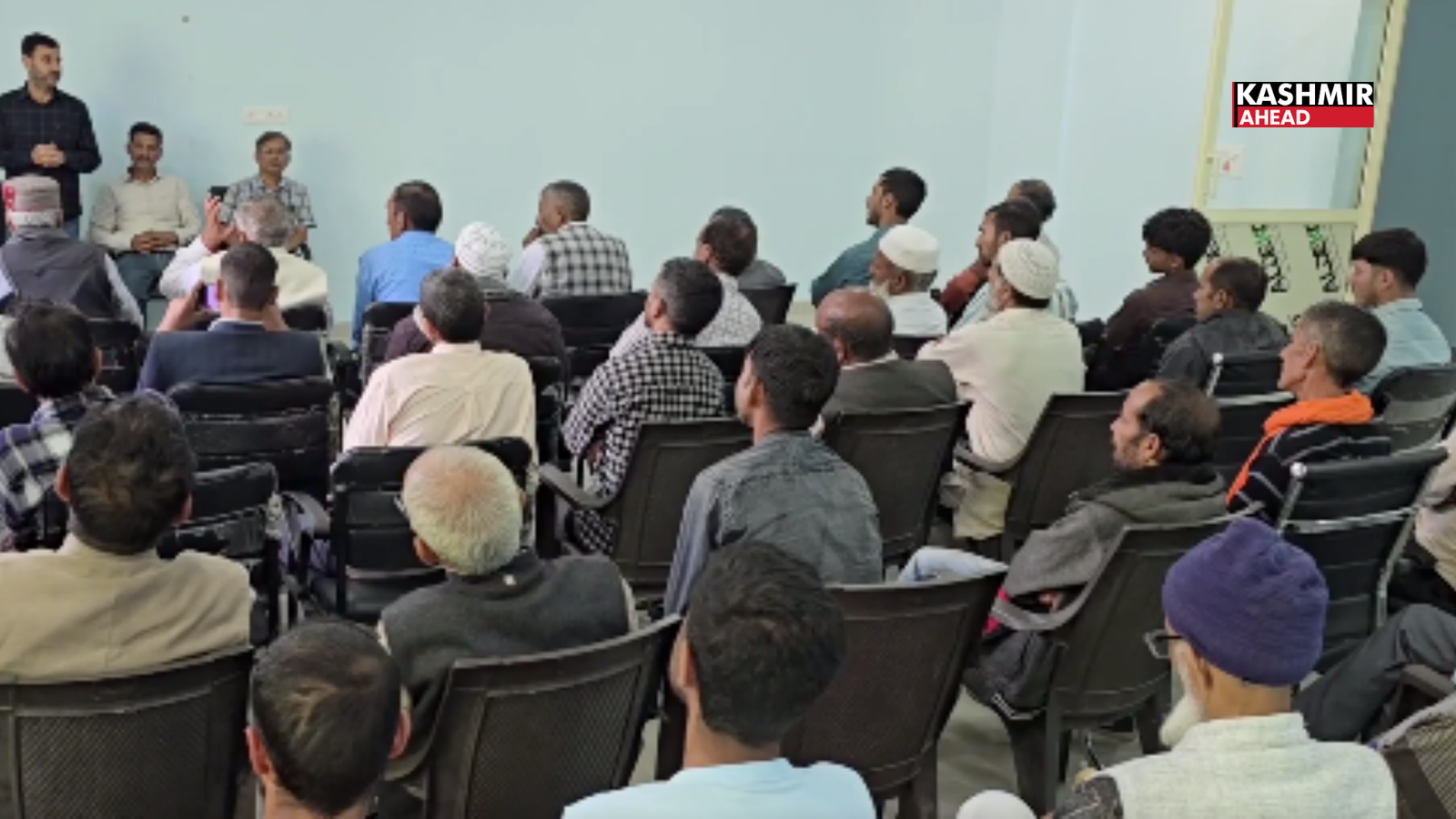
Kashmir, October 2,2026-The Horticulture Department, Kathua, organised an exposure-cum-training tour for 70 farmers to Bhaderwah, where they learnt about scientific cultivation of apple and other temperate fruits. The initiative aims to promote commercial cultivation of apple, walnut, apricot and pear in Kathua district.

The tour gave the participating farmers a chance to see established orchards first-hand and learn from growers who have worked with temperate fruit crops for years. Bhaderwah, in the Doda region, is well known for its horticulture. Officials chose it as a learning destination because it offers practical examples of orchard management that Kathua’s growers can study on the ground.

Exposure visits are an important part of horticulture extension work. Instead of relying only on classroom lectures, farmers observe how orchards are laid out, how trees are cared for through the year and how fruit is handled after harvest. They can also put questions directly to experienced growers and technical staff, which makes the learning more practical and relevant to their own land.

The training focused on scientific methods of growing apple and temperate fruits. Training of this kind typically covers the selection of suitable varieties and quality planting material, orchard planning, pruning and training of trees, nutrient and pest management, and post-harvest handling and marketing. Adopting such practices can raise both the yield and the quality of fruit, which in turn improves the price growers receive.

The department’s wider objective is to encourage farmers in Kathua to diversify into commercial fruit cultivation. Apple, walnut, apricot and pear are high-value crops, and growing them in suitable areas can add a dependable source of income alongside traditional crops such as cereals and pulses. For small and marginal farmers in particular, orchards offer a way to earn more from the same land over the long term.

Diversification also supports the broader push to strengthen horticulture in Jammu and Kashmir. The sector provides livelihoods to a large number of families and contributes significantly to the regional economy. Spreading fruit cultivation beyond its traditional pockets can reduce dependence on a few producing belts and bring new areas into the horticulture economy.

Success in orchard farming, however, depends on more than enthusiasm. Fruit trees take several years to bear a commercial crop, so farmers need patience, proper guidance and access to quality saplings. Choosing varieties that suit local altitude and climate is equally important, as is sound orchard management in the early years. Technical support from the department, along with exposure to working orchards, can help growers avoid common mistakes and make better decisions from the start.

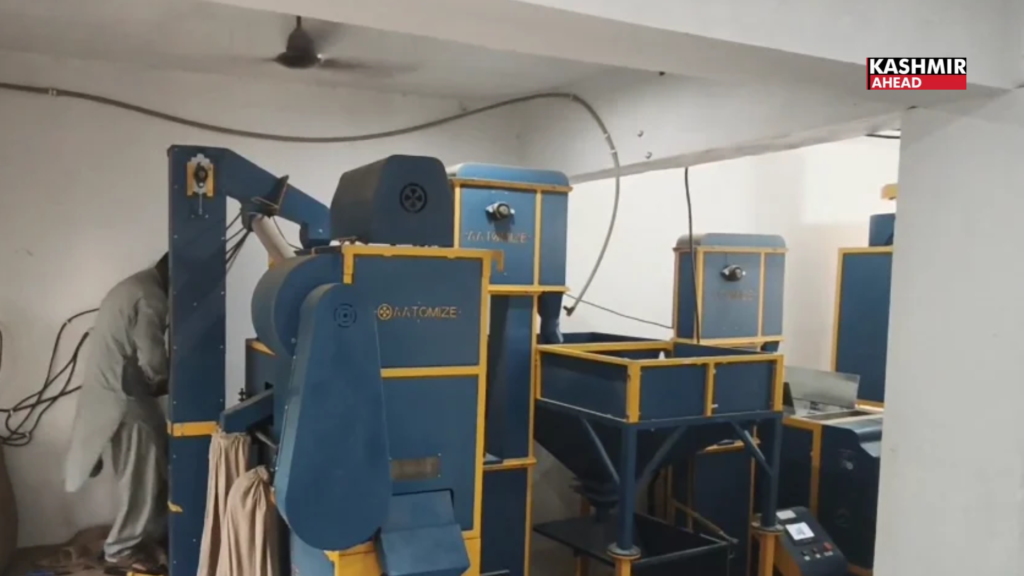
Market access is another consideration. Growers who plan to sell fruit commercially need to understand grading, packing and transport, and to build links with buyers. Farmers elsewhere in the Union Territory have increasingly turned to modern post-harvest practices to protect quality and fetch better prices, and new orchardists in Kathua stand to gain from learning these approaches early.

Farmers who take part in exposure tours generally find that seeing a working orchard makes it easier to understand what is needed to set one up. The experience helps them move from theory to practice and builds confidence to try new crops. Officials said such programmes will continue so that more growers can benefit from technical guidance and learn modern techniques.

For Kathua, the tour is an early step toward building a base of trained orchardists. The real test will be how many of the participants apply what they learnt, set up new orchards and sustain them over the coming years. If they do, the district could add a new source of income and take its place on the horticulture map of Jammu and Kashmir.

×