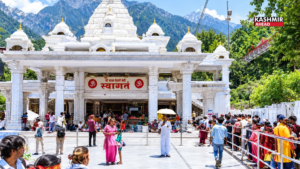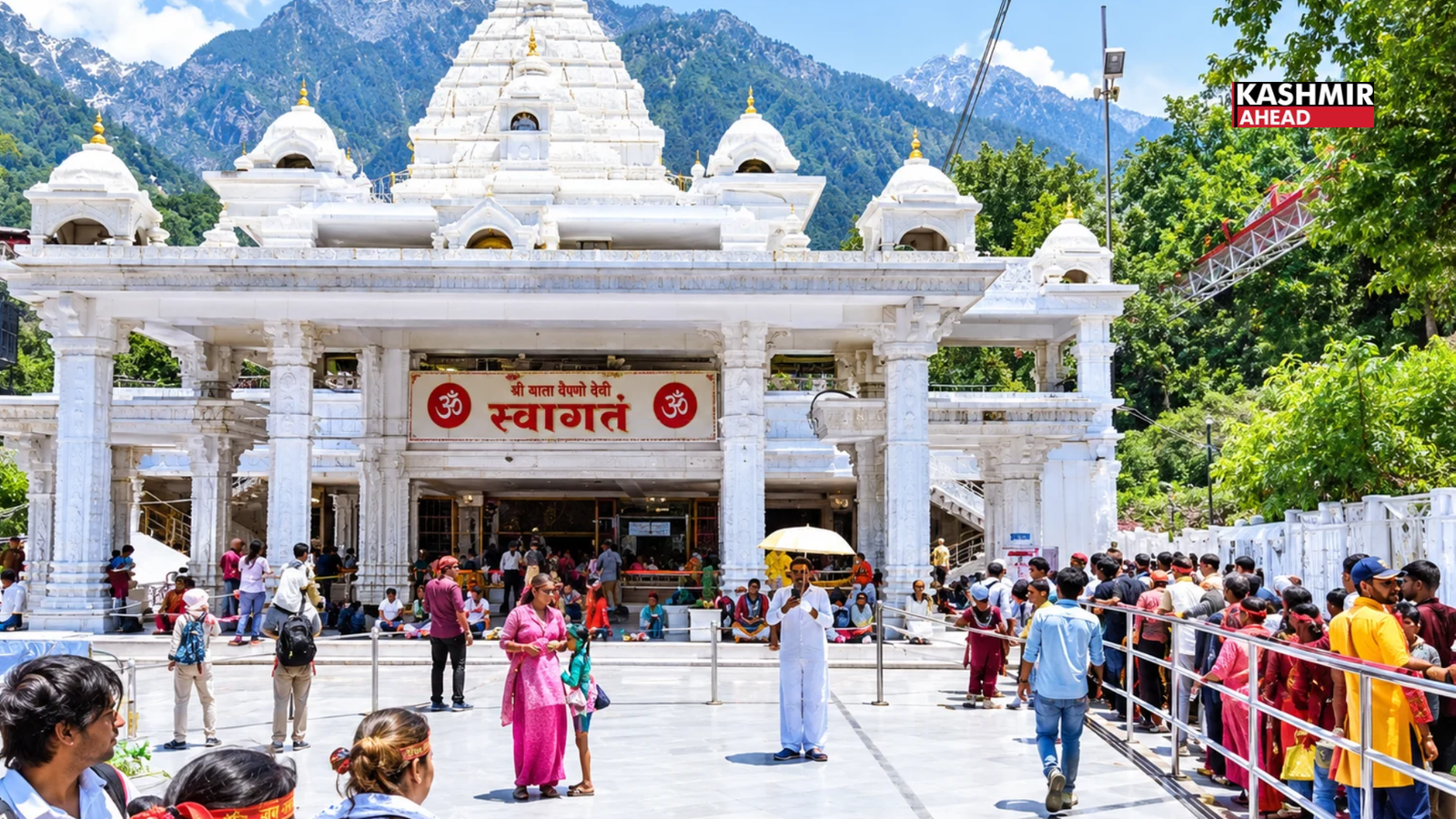
Katra, October 19,2026-The town of Katra, base camp for one of India’s most revered pilgrimages, has been alive with devotion as lakhs of pilgrims make their way to the Shri Mata Vaishno Devi Shrine in the Trikuta hills. From dawn until late at night, the air is filled with chants of “Jai Mata Di” as devotees begin their journey to the holy cave.
A Town That Never Sleeps
Katra’s streets are crowded with pilgrims from Punjab, Delhi, Haryana, Uttar Pradesh, Gujarat, Maharashtra and beyond, many arriving in family groups and carrying red chunris, coconuts and offerings. Shops selling prasad, dry fruits, woollens and religious souvenirs stay open late, while hotels, dharamshalas and guest houses report heavy bookings. Local residents, whose livelihoods are closely tied to the yatra, say festive seasons bring the town to life like nothing else.
For many pilgrims, the journey begins at the Yatra Registration counters, where devotees collect their yatra slips before heading to the Banganga check post. The registration system, which uses RFID-based tracking, helps the authorities manage the flow of pilgrims and keep an account of those on the track.
The Climb of Faith
The trek from Katra to the Bhawan, the shrine complex housing the sacred cave, covers roughly 12 kilometres along a well-laid, covered track. Pilgrims of all ages make the climb on foot, including elderly devotees and young children. Those unable to walk can hire ponies, palanquins or pithus, while battery cars and a helicopter service from Katra to Sanjhichhat offer quicker options.
Along the way, devotees pause at landmarks such as Banganga, Charan Paduka and Ardh Kuwari, where tradition holds that the Goddess meditated for nine months in a cave. Tea stalls, rest shelters, medical posts and drinking water points are spread along the route, and the hillside echoes with devotional songs.
Darshan of the Three Pindis
At the Bhawan, pilgrims queue patiently for darshan of the three natural rock formations, known as Pindis, which represent Maha Kali, Maha Lakshmi and Maha Saraswati. Many devotees say that reaching the sanctum after the long climb brings a deep sense of peace that makes the exhaustion fade. After darshan, a good number continue to the Bhairon Temple, which tradition holds must be visited to complete the pilgrimage. A ropeway connects Sanjhichhat to Bhairon Ghati for those who prefer not to climb further.
Management and Safety
The Shri Mata Vaishno Devi Shrine Board, together with the local administration, police, CRPF and volunteers, works to ensure smooth movement during periods of high footfall. Measures typically include crowd regulation at key points, additional deployment of personnel, medical teams on the track, sanitation drives and round-the-clock control rooms. Pilgrims are advised to carry warm clothing, wear comfortable footwear, stay hydrated, follow instructions from officials and avoid carrying prohibited items.
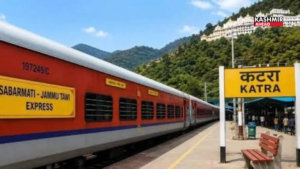
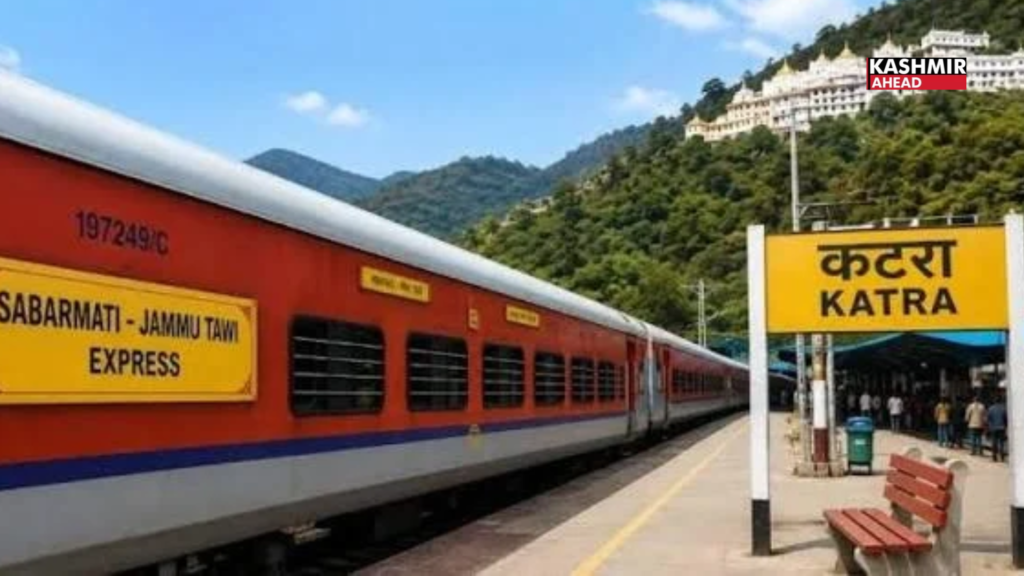
Improved connectivity has also eased travel. The direct rail link to Shri Mata Vaishno Devi Katra railway station has made the journey far more convenient for those coming from northern India, cutting travel time and bringing the shrine within easier reach of first-time visitors.
Faith, Economy and Community
Beyond its spiritual significance, the yatra is a vital engine for the region’s economy. Hoteliers, transporters, pony and palanquin operators, shopkeepers and artisans all depend on the steady flow of pilgrims. Many locals say their families have served visitors for generations, and they take pride in the hospitality Katra is known for.
For the devotees themselves, the crowds are part of the experience. Strangers share water and encouragement on the steep stretches, and many speak of the journey as a test of faith and endurance rather than just a trip. As the lamps flicker at the evening aarti and the hills resound with prayer, the pilgrimage to Mata Vaishno Devi remains, for millions, a call answered year after year.