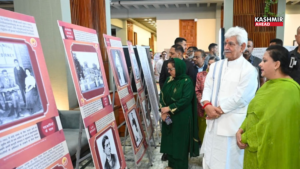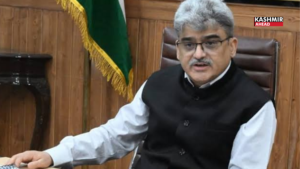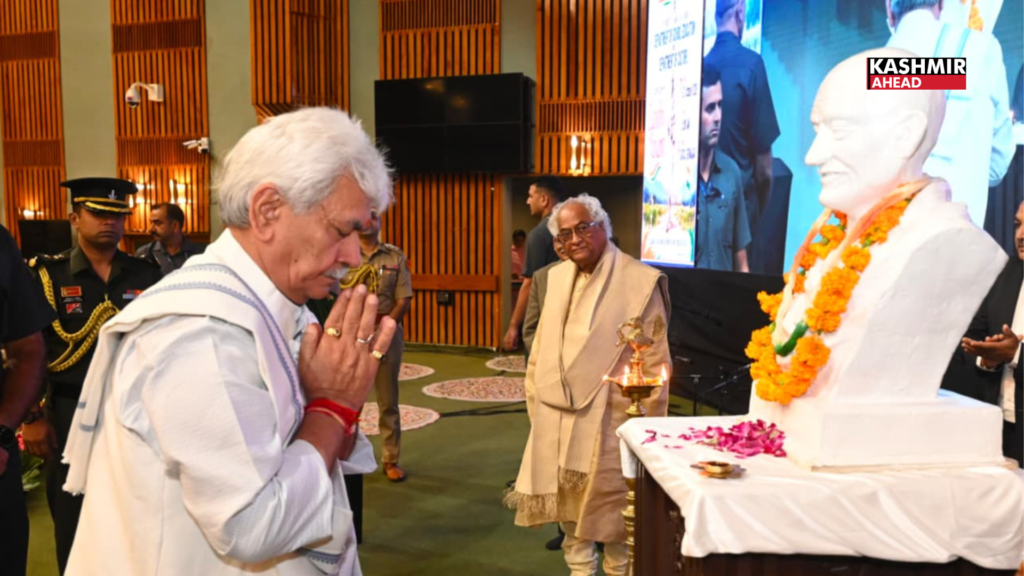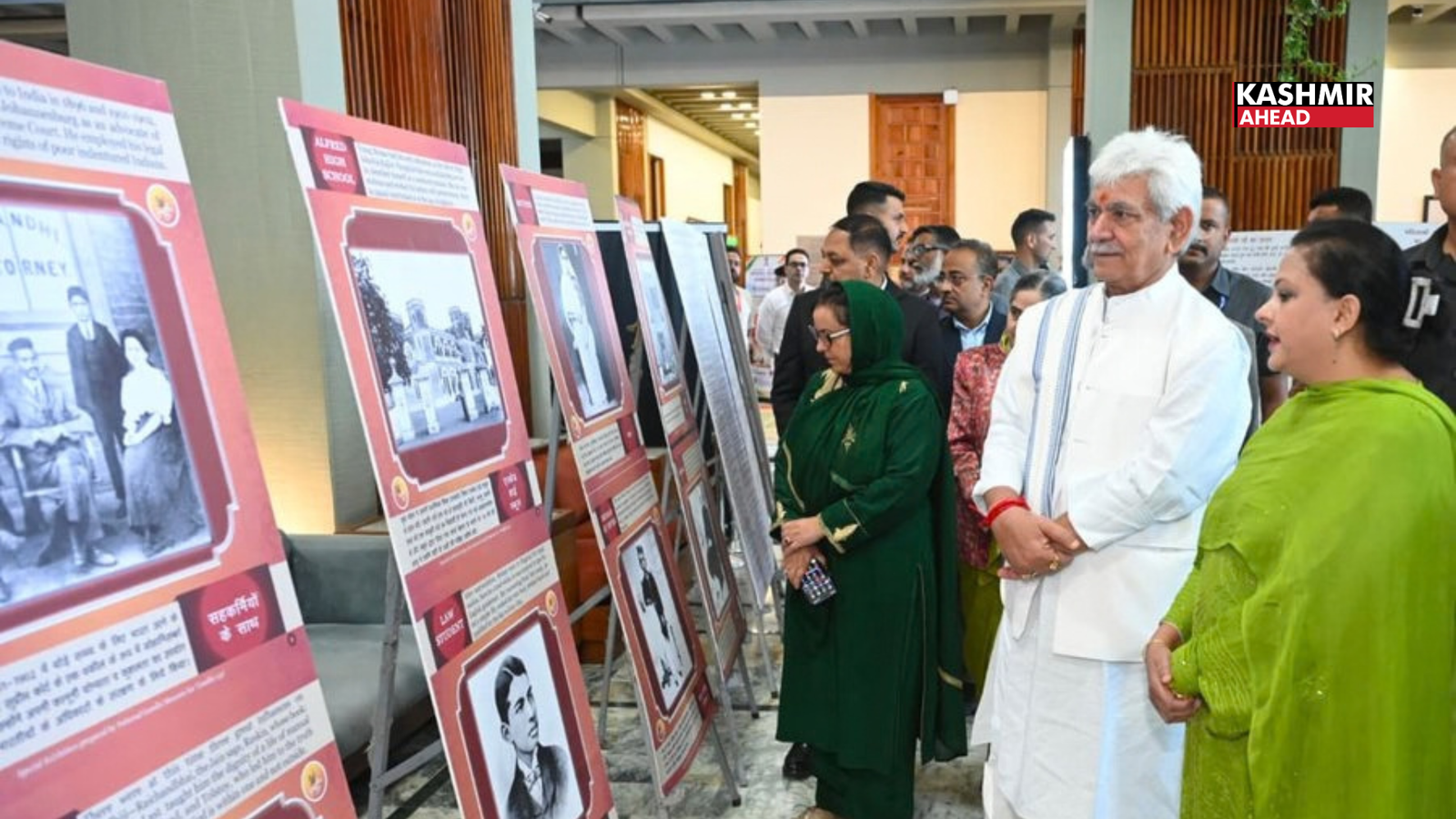
Srinagar, October 2, 2026– As the country marked Gandhi Jayanti, Lieutenant Governor Manoj Sinha used the occasion to link Mahatma Gandhi’s moral teachings to the questions raised by artificial intelligence. Speaking at a commemorative event at SKICC in Srinagar on Friday, he said honesty, non-violence, self-reliance, dignity and a sense of duty towards society are as necessary today as they were in Gandhi’s time, and that technology must always remain answerable to human values.
Sinha said October 2 should not pass as just another entry in the calendar. It should prompt people to reflect on how Gandhi lived, how he stood up against injustice and how he insisted on dignity for every person.
A lifelong commitment to truth
Sinha traced Gandhi’s devotion to truth back to his childhood, when the tale of Raja Harishchandra left a lasting impression on him. According to the Lieutenant Governor, Gandhi never let go of that principle, even in difficult circumstances, and treated truth as something to be lived rather than merely admired.
He also recalled the 1942 Quit India call, which drew people from every section of society into the freedom movement, from children and women to the elderly. The path Gandhi showed, he said, continues to guide India and Jammu and Kashmir, and people should try to follow it in everyday life.
Machines should not make the final call
The most pointed part of the address dealt with modern technology. Sinha acknowledged that smartphones, social media and AI have changed the way people exchange information. But he argued that speed alone is no virtue. A false message can circle the globe in seconds, he warned, while the truth often takes far longer to catch up. His advice to the public was simple: check before believing and think before reacting.
Technology, he said, is a tool, and the final decision must remain with human beings. Machines, however capable, should not take the place of human judgment, conscience and responsibility.
He told students that they have access to resources earlier generations could not have imagined, and urged them to use those advantages wisely.
Judging progress by who is left behind
Sinha returned several times to Gandhi’s idea that the condition of the weakest person is the real measure of a society. Policies and decisions, he said, should consider the interests of people at the margins. By the same yardstick, development should be judged by how many poor and vulnerable citizens it lifts up and how many opportunities it opens for them.
He applied the same thinking to the national goal of a Developed India by 2047. Progress, he said, cannot be reduced to tall buildings or the size of the economy. Gandhi’s idea of self-reliance, he added, was never limited to big industry. It included villages, local producers, workers, small enterprises and farmers.
Character, rights and respect for differences
Sinha called character-building among children and young people one of society’s most lasting needs. He said Gandhi wanted education tied to real life and useful to the community. He also pointed to Gandhi’s idea of trusteeship, under which rights come with matching duties, and to his respect for differing viewpoints, saying disagreement should never turn into hostility.
He urged people to turn their gaze inward instead of constantly questioning others, a message he attributed to Gandhi’s own habit of self-reflection.
A tribute through conduct
Concluding the address, the Lieutenant Governor said the best way to honour Mahatma Gandhi is to put his principles into practice and ensure that the gains of development reach every section of society.