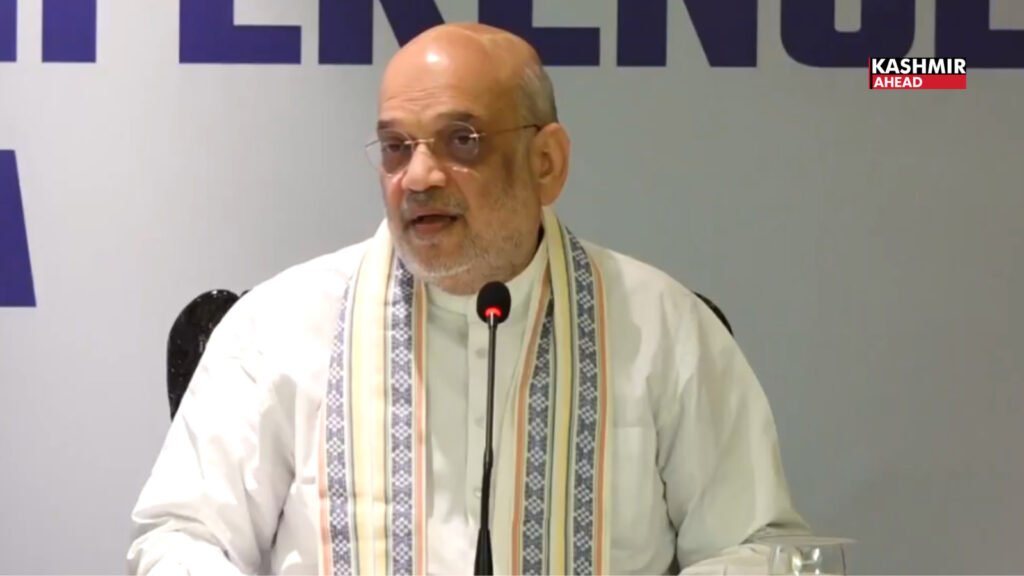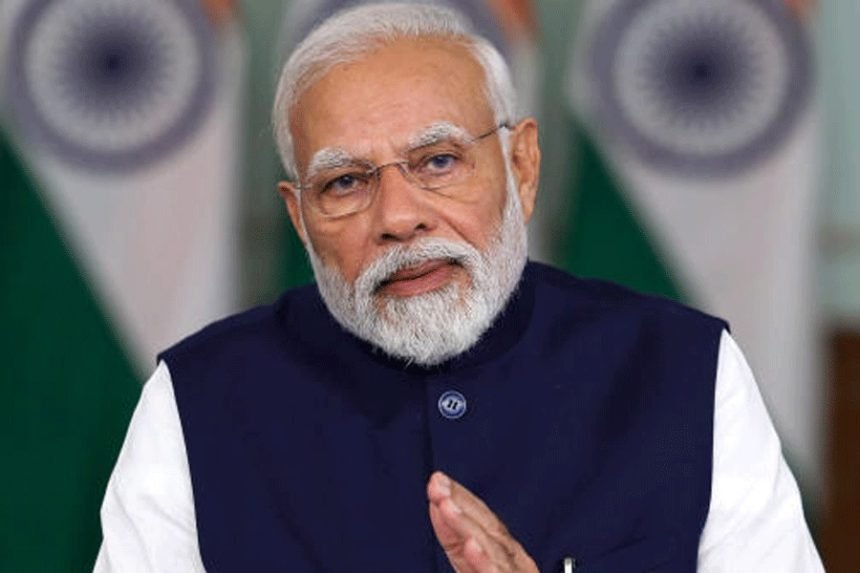
Kashmir, September 21, 2025 – Prime Minister Narendra Modi addressed the nation today, announcing a transformative wave of GST benefits set to empower every citizen starting September 22, 2025. Describing the overhaul as a “double dose of support and growth for the nation,” PM Modi emphasized how these next-generation GST reforms will slash tax burdens, simplify compliance, and accelerate India’s economic momentum. The reforms, approved by the GST Council under Finance Minister Nirmala Sitharaman, consolidate the tax structure into just 5% and 18% slabs, eliminating the 12% and 28% rates to make essentials more affordable and boost consumption.In his televised address from the Red Fort, echoing his Independence Day vision, PM Modi stated: “A new wave of GST benefits is coming to every citizen. From 22nd September, the next-generation GST reforms will come into effect. New GST reforms are being implemented. Only 5% and 18% tax slabs will now remain. GST reforms will accelerate India’s growth story.” He highlighted the reforms as a Diwali gift, promising relief for the common man, farmers, MSMEs, women, youth, and the middle class by reducing rates on over 200 items.
Streamlined Tax Structure: From Four Slabs to Two for Ease and Equity
The revamped framework shifts 99% of items from the 12% slab to 5% and 90% from the 28% slab to 18%, while introducing a 40% rate for luxury and sin goods like tobacco. Key reductions include nil GST on chapatis and parathas (from 5%), cuts on butter, ghee, dry fruits, meat, medicines, cement (28% to 18%), and essential farm goods, alongside exemptions for lifesaving drugs and lower rates on green energy devices, textiles, and automotive parts. Compensation cess ends with the new rates, resolving inverted duty issues and enhancing refunds.Finance Minister Sitharaman, during the 56th GST Council meeting, noted the fiscal impact of ₹48,000 crore is sustainable, with 67% of GST revenue historically from the 18% slab ensuring stability. Digital enhancements like pre-filled returns and faster MSME registrations will streamline processes, fostering a transparent ecosystem.
Boosting Consumption, Businesses, and National Growth
PM Modi underscored the reforms role in countering global challenges, like US import duties, by spurring domestic demand and manufacturing. “These changes will lower inflation, ease lives, and strengthen state revenues while prioritizing consumers and empowering small businesses,” he said. Experts hail the move as progressive, rationalising classification and approvals to drive long-term growth.As India marks eight years of GST – hailed as a “second Independence Day” in 2017 – these reforms build on its success, positioning the nation for a consumption-led boom amid festive season.