Jammu, September 17,2026- Women living in villages along the India-Pakistan International Border in Jammu and Kashmir are using traditional handicraft skills to build livelihoods and move towards greater economic self-reliance under the National Rural Livelihoods Mission (NRLM) UMEED Scheme.
The women recently showcased a range of macramé handicraft products, highlighting how rural communities are turning their skills and creativity into opportunities for income generation. The initiative has provided women from border areas with a platform to display their handmade products and demonstrate their entrepreneurial potential.
Macramé, a craft based on knotting cords and threads to create decorative and functional products, has emerged as one of the skills being adopted by women associated with self-help groups under the UMEED programme. The products displayed included handcrafted decorative items and other utility-based articles made by the women themselves.
For many women in rural and border communities, such initiatives offer an opportunity to supplement household incomes while developing skills that can be converted into sustainable livelihoods. Participation in self-help groups also enables women to work collectively, share skills and explore avenues for marketing their products.
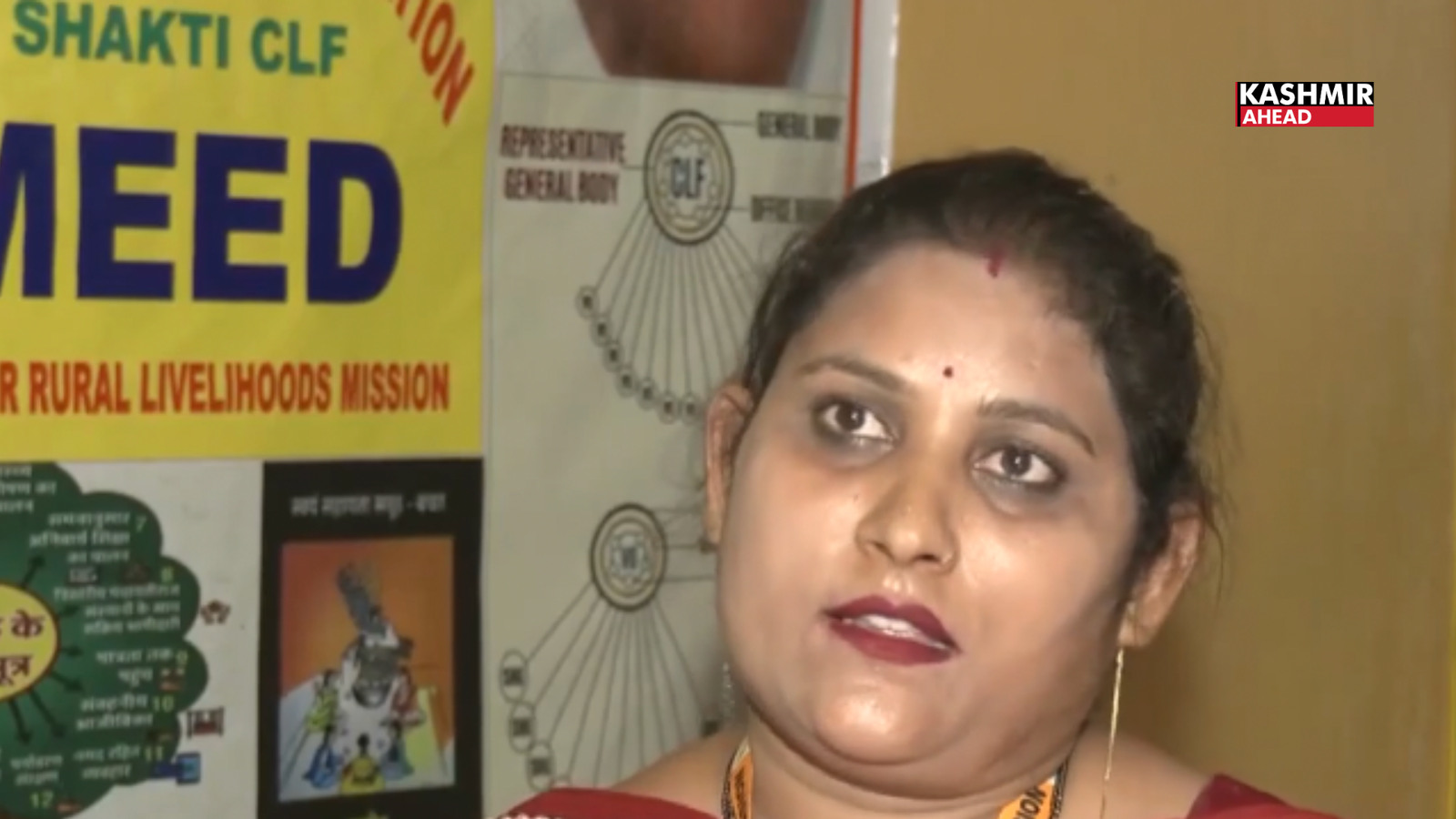
A beneficiary of the NRLM UMEED Scheme spoke about the impact of the programme and expressed appreciation for the opportunities it has created for rural women.
“Today I want to tell PM Narendra Modi that the UMEED Scheme he has brought for us is a very good scheme,” she said.
She also appealed for more initiatives aimed at supporting women in rural areas and creating platforms where they can showcase their skills.
“I would also request him to provide more such schemes for us, so that rural women can come forward, showcase their skills and become self-reliant and stand on their own feet,” the beneficiary said.
The women’s participation in the handicraft showcase reflects the broader objective of rural livelihood programmes to strengthen women’s economic participation. By providing access to training, collective platforms and livelihood opportunities, such programmes seek to help women move beyond traditional household roles and participate more actively in income-generating activities.
For women living close to the International Border, opportunities for livelihood generation can have particular significance. Skill-based activities such as handicrafts can be undertaken locally and can provide an additional source of income without requiring women to migrate in search of employment.
The macramé products also represent the potential of local craftsmanship as a marketable commodity. With appropriate training, product development, branding and access to markets, handmade products created through rural self-help groups can reach customers beyond their immediate communities.
The UMEED initiative has played a role in bringing women together through self-help groups and encouraging them to explore different livelihood activities. Such collective platforms can help beneficiaries gain confidence, learn new skills and develop an understanding of production and marketing.
The showcase also provided an opportunity for the women to present their work directly to visitors and officials, allowing their skills and efforts to receive wider recognition. For the participating artisans, displaying their products was not only about selling handmade items but also about demonstrating the possibilities that can emerge when rural women receive institutional support.
The beneficiary’s appeal for additional schemes underlines the demand among rural women for continued support, particularly in areas such as skill development, market access, product promotion and financial opportunities.
The initiative demonstrates how handicrafts can become more than traditional forms of creative expression when combined with organised livelihood support. For women in Jammu and Kashmir’s border villages, macramé is becoming one such avenue through which skills can be transformed into economic opportunities.
As rural livelihood programmes continue to encourage women’s participation in self-help groups and entrepreneurship, initiatives like the macramé showcase highlight the growing role of women in strengthening household incomes and local economies.
For the women who participated, the message was clear: with opportunities to learn, create and market their products, rural skills can become a pathway towards greater financial independence and self-reliance.