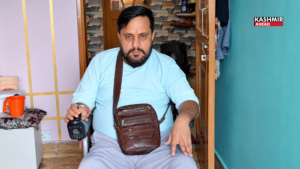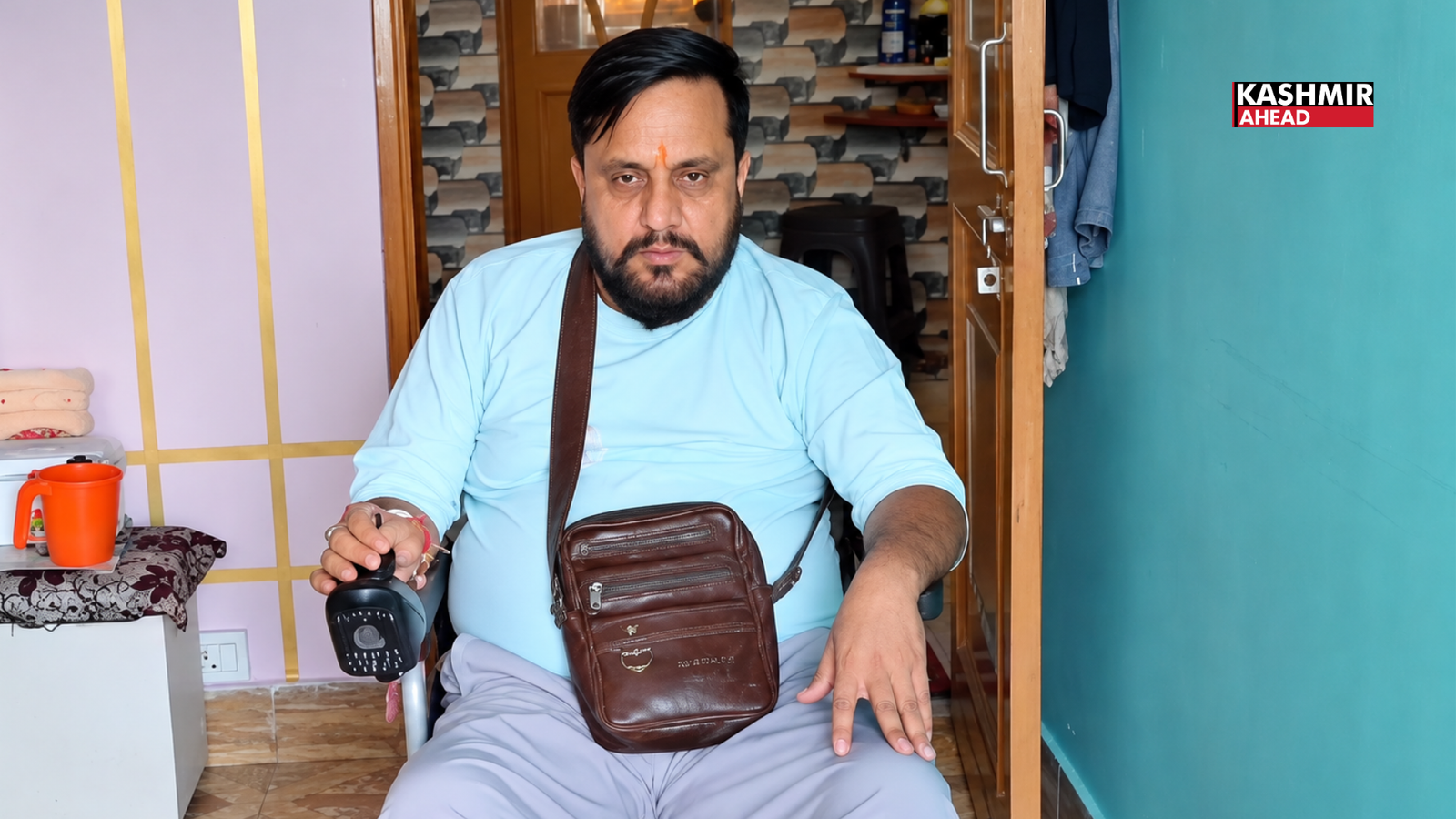
Rajouri, October 6,2026-Tilak Raj, a 45-year-old man from Karaian, a village near the Line of Control (LoC) in Rajouri district, has shown that physical limitations need not limit ambition. Confined to a wheelchair after a road accident, he recently completed a journey of about 2,200 km in 11 days, reaching Khardung La, one of the world’s highest motorable passes.
Tilak Raj suffered a complete spinal cord injury from D2 to D4 in the accident, which left him unable to walk. For someone living in a remote border village, where access to specialised care and accessible infrastructure is limited, the injury brought lasting physical and personal challenges. Instead of withdrawing from public life, he chose to take on a journey that many able-bodied travellers would find demanding.
An 11-day journey across the Himalayas
His route began in Rajouri and took him through Srinagar, then on to the Kargil War Memorial, which honours the soldiers who gave their lives in the 1999 conflict. From there he continued to Leh and finally to Khardung La, the high-altitude pass in Ladakh that is a milestone for travellers and adventurers.
On the return leg, he passed through the Atal Tunnel and travelled via Manali and Dharamshala before reaching home in Rajouri. In all, the circuit covered roughly 2,200 km in 11 days, over long stretches of mountain road, steep climbs and sharp changes in altitude and weather.
For a person with a spinal cord injury, such a trip carries added difficulties. Long hours of travel, cold conditions, thin air at altitude and the lack of accessible facilities along remote routes all demand careful planning and considerable resolve.
Operation Sindoor Yatra
Tilak Raj also undertook what he calls the Operation Sindoor Yatra, a pilgrimage to religious and historic sites in Jammu and Himachal Pradesh. He has dedicated the yatra to the Indian Army, expressing respect for the armed forces. For a resident of a village on the LoC, where families live close to the realities of the border and the role of the military, the dedication carries personal meaning.
The Kargil War Memorial stop was a particularly symbolic part of his journey, linking his own effort to the sacrifices of soldiers who served in the region.
A message on dignity and participation
Tilak Raj says disability should not stop anyone from living with dignity and taking part in nation-building. He believes persons with disabilities should be seen as capable contributors to society rather than as people who must be pitied or left on the margins.
His message speaks to a wider issue. Persons with disabilities in rural and border areas often face barriers that go beyond the physical, including limited accessibility, a lack of awareness and low expectations from society. Stories like his can help change that perception and encourage families and communities to support disabled members in pursuing their goals.
Inspiration for others
The journey has drawn attention in his home district and beyond, with many seeing it as a source of inspiration for people dealing with injury or disability. His journey, they say, shows that determination and support can open up possibilities that once seemed out of reach.
Disability rights advocates have long argued that accessible roads, public spaces and tourist sites are essential if persons with disabilities are to participate fully in social and economic life. Tilak Raj’s trip, they say, also underlines the need for better facilities for differently abled travellers across the Union Territory and the Himalayan region.
For Tilak Raj, the journey was about more than distance or altitude. It was about proving to himself and to others that life after a serious injury can still be lived with purpose, courage and pride in one’s country.