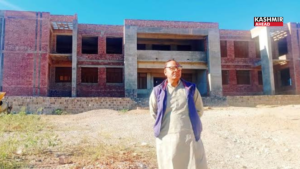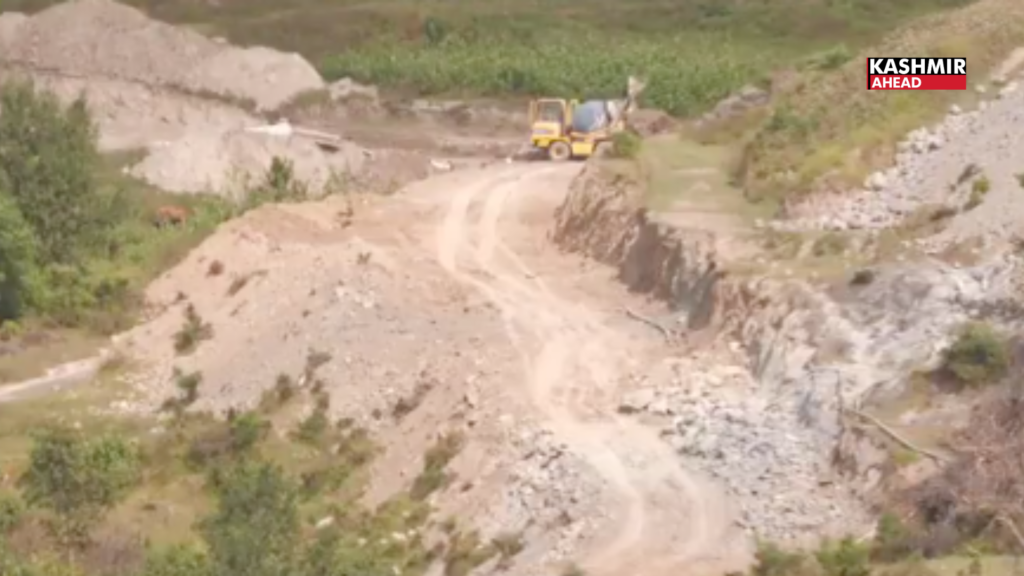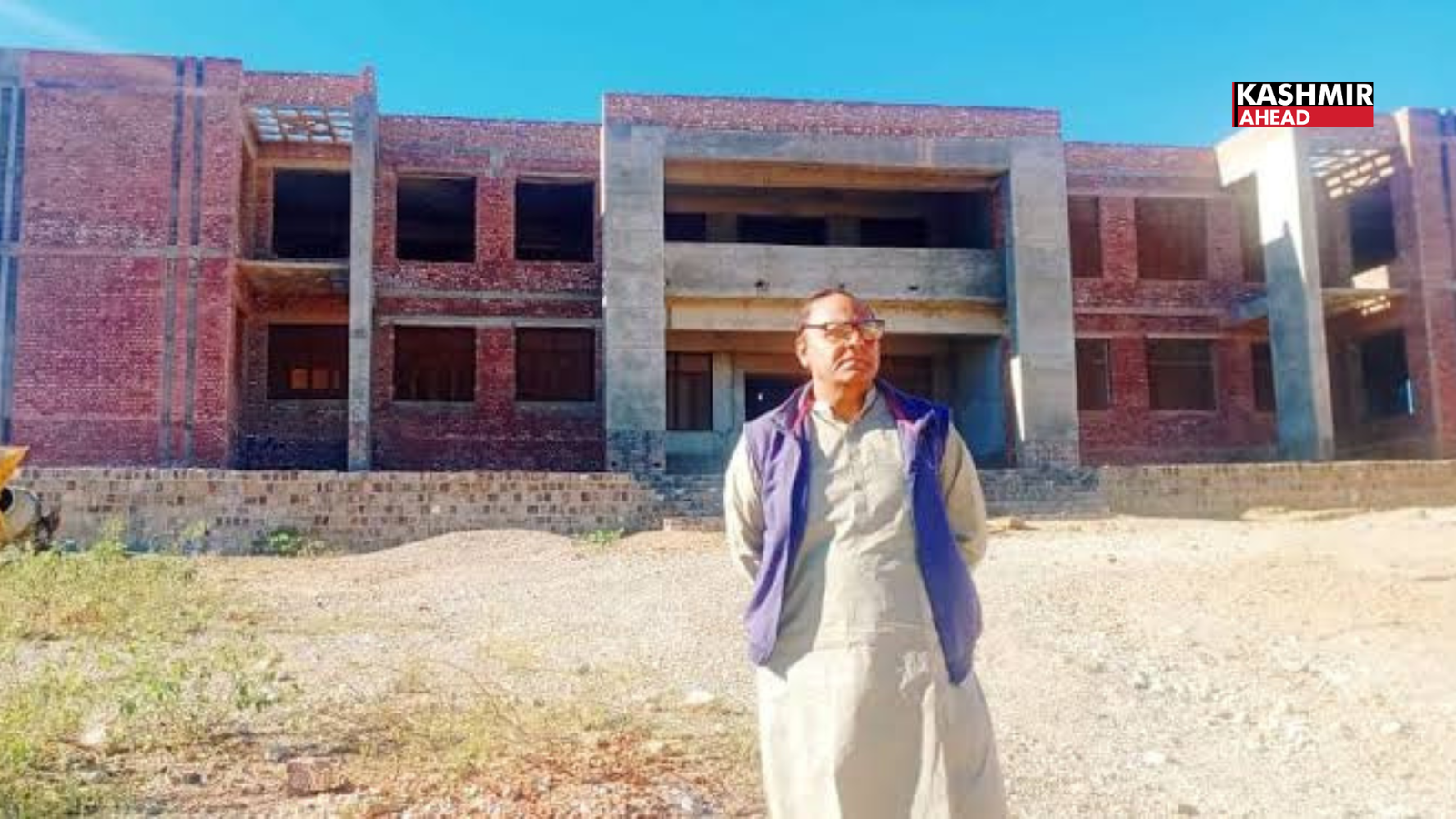
Banihal, October 14,2026- Administrative approval has been accorded for the construction of the Shah Asrar Cooperative Educational Institute building at Kaskoot, Banihal, at an estimated cost of Rs 2.74 crore. The project will be financed under the UT Capex Budget Plan 2026-27. The sanction marks a significant step towards strengthening educational and training infrastructure in the area.
Significance of the Sanction
Administrative approval is the first formal step in the execution of a public works project. It authorises the expenditure and clears the way for subsequent stages, including technical sanction, tendering, allotment of work, and construction. With this approval, the proposal for a dedicated institute building at Kaskoot has moved from an intention to a funded plan.
Adequate physical infrastructure is central to the quality of education and training. A purpose-built facility with well-designed classrooms, safe construction, and essential amenities creates a better environment for students and faculty alike. In hilly terrain, where weather often disrupts routine activity, durable and properly planned buildings carry added importance.
Cooperative Education and Local Development
The cooperative sector is integral to the rural economy. Cooperative societies support farmers, artisans, small producers, and credit and marketing groups. Their effectiveness depends on trained personnel who understand management, accounting, governance, and member services. Institutions devoted to cooperative education prepare such personnel and strengthen the institutional base of the movement.
A well-equipped institute at Banihal can serve young people and members of cooperative societies in the region. It can also encourage skill development closer to home, reducing the need to travel long distances for training and widening access to specialised instruction.
Capital Investment Under the UT Capex Budget
The UT Capex Budget Plan is intended for capital expenditure on durable public assets such as buildings, roads, bridges, and civic facilities. Allocating funds for the institute under this plan reflects an approach that treats educational infrastructure as a long-term investment rather than a recurring cost.
The construction phase will also generate economic activity. Local labourers, masons, transporters, and suppliers stand to benefit from the work. The project therefore contributes to livelihoods even before the building is put to use.
Expected Benefits for Banihal
Banihal lies on an important route linking Jammu with the Kashmir Valley, yet many nearby villages have limited access to specialised training facilities. The new building is expected to offer several advantages:
- A safer and more comfortable learning environment for students and trainees
- Greater local access to training related to the cooperative sector
- Employment opportunities for local workers during construction
- Added space for workshops, courses, and community programmes
- A stronger support base for cooperative societies in the area
Ensuring Quality and Timely Execution
The benefits of the project will depend on how it is implemented. Timely completion of codal formalities, adherence to quality standards, regular supervision, and transparent monitoring are essential to deliver the building on schedule and within the sanctioned cost.
Public awareness and local participation can further support accountability, since residents are well placed to observe the progress of work in their area. Once the building is complete, it will need to be fully equipped and staffed so that it functions as a working institute and not merely as a structure.
Conclusion
The approval of Rs 2.74 crore for the Shah Asrar Cooperative Educational Institute building marks a positive step for Kaskoot and the wider Banihal region. If executed with diligence, the project can expand opportunities for skill development and give fresh strength to the cooperative sector in the area.