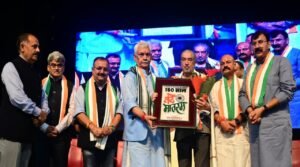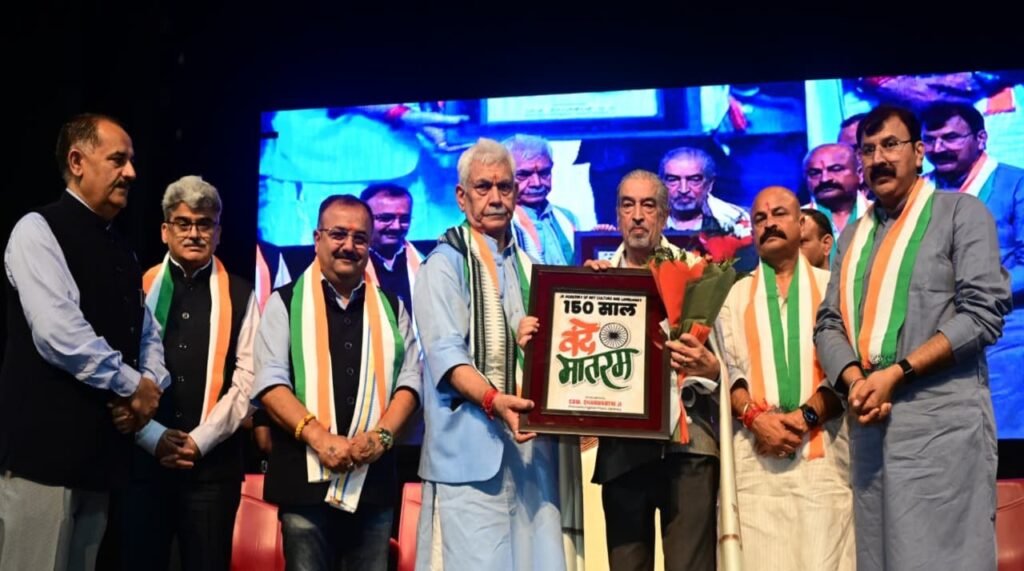
Jammu, March 7,2026- A vibrant celebration of literature, culture, and identity unfolded at the University of Jammu as scholars, writers, students, and cultural enthusiasts gathered for the Sahitya-Sanskriti Festival, an event dedicated to exploring the rich literary and cultural heritage of India and Jammu and Kashmir.
The festival served as a platform for intellectual dialogue, cultural exchange, and artistic expression, highlighting the deep connection between literature and cultural identity. Eminent writers, academicians, and researchers participated in panel discussions, poetry readings, and interactive sessions focusing on the evolving role of literature in preserving traditions and shaping social narratives.
Speakers at the event emphasized the importance of literature as a powerful medium that reflects the collective experiences, values, and aspirations of society. They noted that literary works not only document history and culture but also inspire future generations to remain connected to their roots while embracing modern perspectives.
The festival featured a series of engaging sessions on regional literature, cultural heritage, and the role of language in identity formation. Participants discussed how local languages and literary traditions contribute significantly to the cultural diversity of India and play a crucial role in safeguarding intangible heritage.
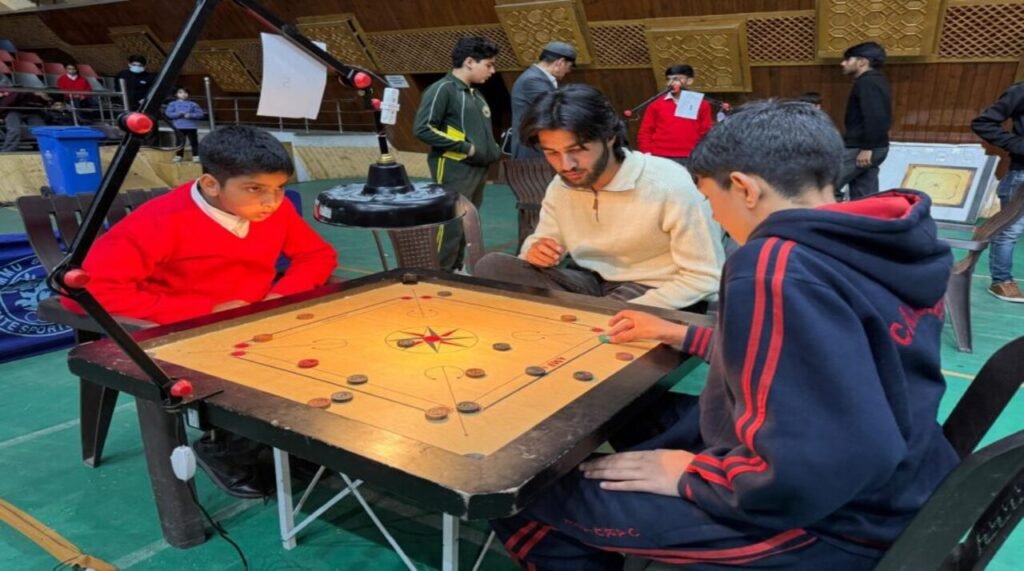
Students from various departments of the university actively participated in the festival through literary competitions, cultural performances, and discussions, making the event a lively blend of academic discourse and creative celebration. The programme also showcased traditional art forms, music, and storytelling, reflecting the cultural richness of the region.
Organizers highlighted that the Sahitya-Sanskriti Festival aims to encourage young minds to explore literature, appreciate cultural heritage, and understand the importance of identity in a rapidly changing world.
The event concluded with a renewed commitment to promote literary activities and cultural dialogue within academic institutions, ensuring that literature and culture continue to thrive as essential pillars of society.