The holy month of Ramadan in Kashmir is not only a time of spiritual reflection and devotion but also a period when faith, economy, and community life come together in a unique and vibrant way. Across towns and villages, the spirit of Ramzan transforms daily routines, bringing people closer while simultaneously energizing local markets and livelihoods.
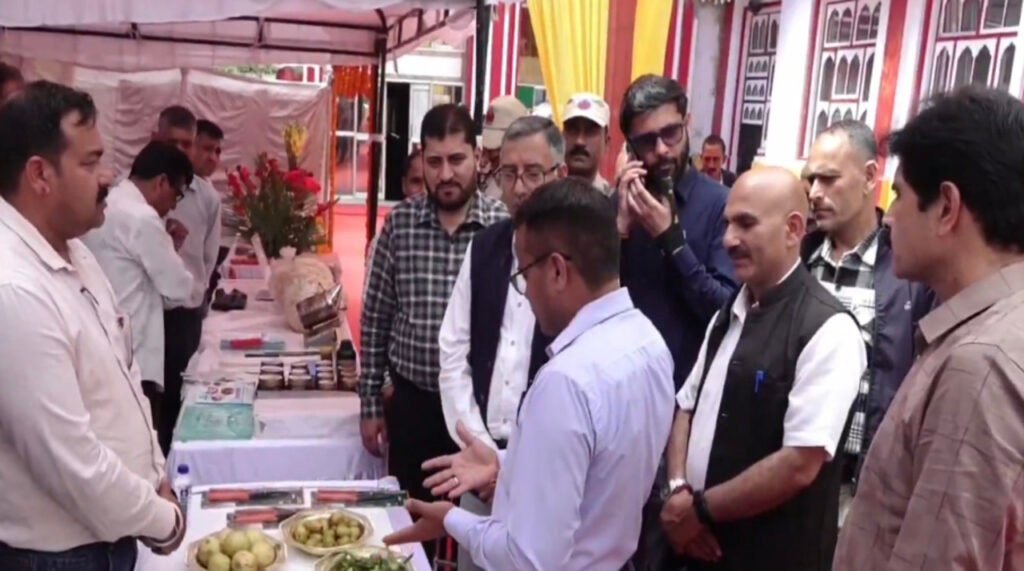
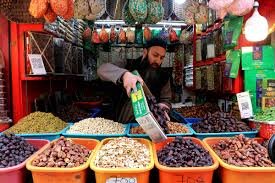
From the early hours of Sehri to the evening Iftar, markets in cities like Srinagar remain bustling with activity. Streets are lined with vendors selling traditional delicacies, fresh fruits, dates, bakery items, and local specialties that are an integral part of the Ramzan experience. Popular foods such as Kashmiri Harissa, Sheermal, and a variety of kebabs see a surge in demand during the month, providing a seasonal boost to small businesses, bakers, and street vendors.
Local shopkeepers often describe Ramzan as one of the most economically active periods of the year. Tailors, fruit sellers, bakery owners, and transport workers all witness increased business as families prepare for daily iftar gatherings and the upcoming celebrations of Eid al-Fitr. For many small traders, the month becomes an important opportunity to earn and sustain their livelihoods.
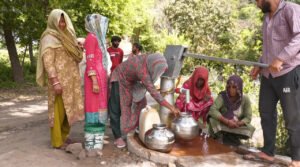
Beyond the economic activity, Ramzan also strengthens the social fabric of Kashmiri society. Community iftars, charity drives, and acts of kindness become common during the month. People share meals with neighbors, donate food and money to the less fortunate, and gather in mosques for nightly prayers, reinforcing a deep sense of unity and compassion.
The atmosphere in the region during Ramzan reflects a balance between spirituality and community life. Families spend more time together, neighborhoods come alive in the evenings, and the values of generosity, patience, and empathy are practiced in everyday interactions.
In essence, Ramzan in Kashmir offers a living example of how faith can shape not only personal devotion but also economic activity and social harmony. It is a time when spirituality strengthens communities and livelihoods alike, illustrating how traditions can sustain both the soul and society.