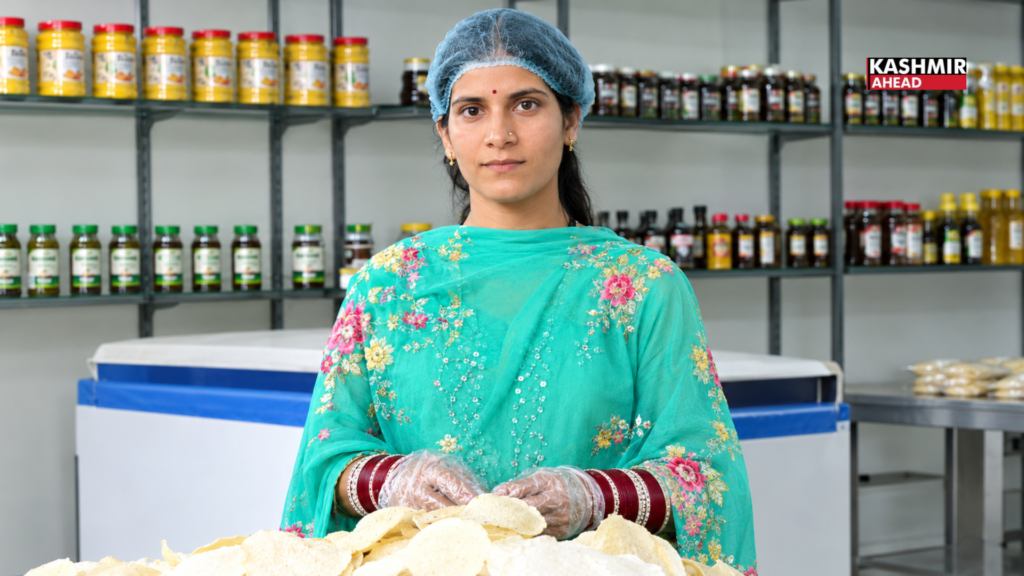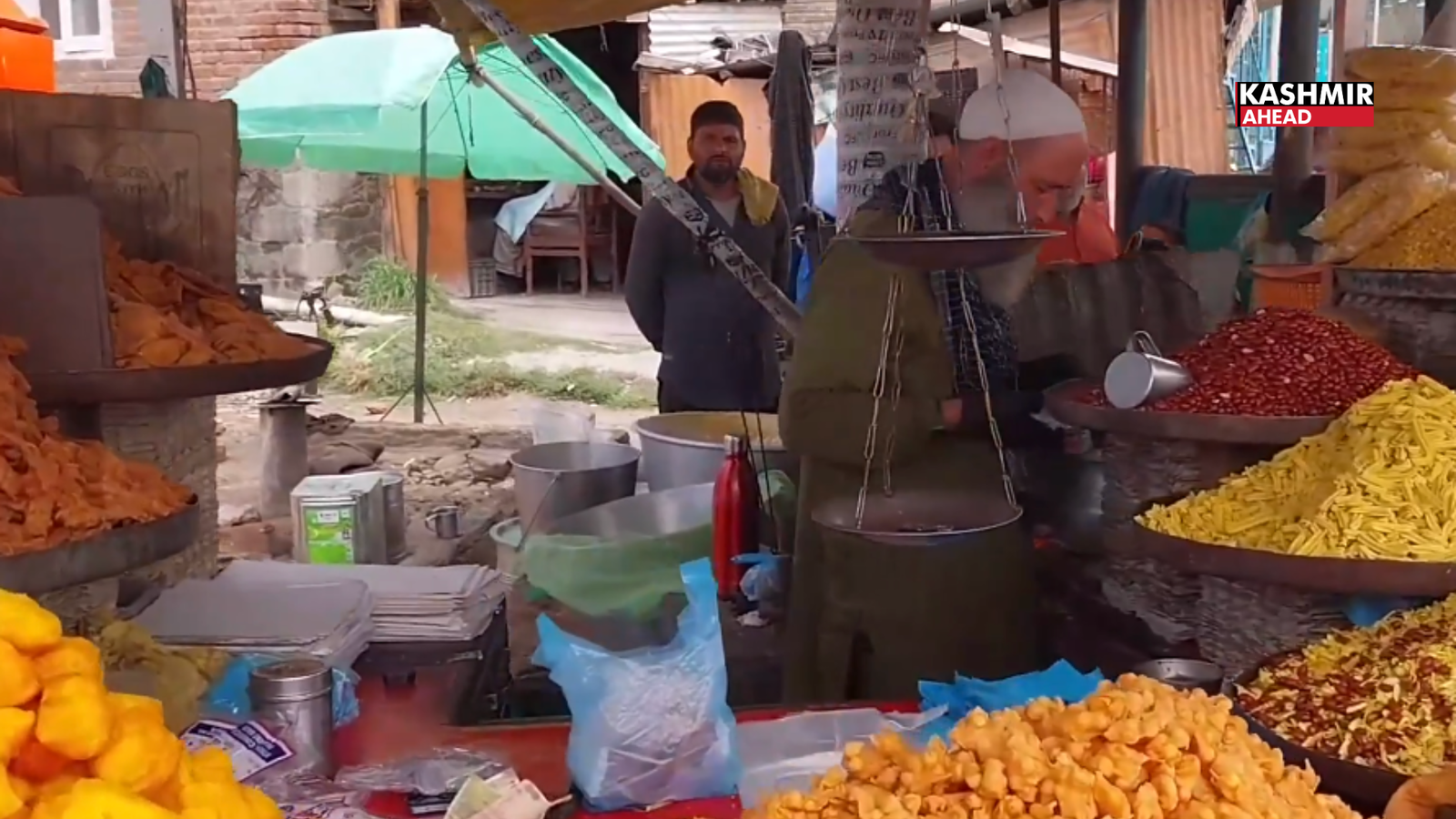
Pulwama, September 23,2026-As Prime Minister Narendra Modi marks 25 years of continuous public governance, street vendors in Tral, a town in Jammu and Kashmir’s Pulwama district, are reflecting on how one particular initiative — the PM SVANidhi scheme — has meaningfully changed their financial circumstances and helped stabilize their small businesses.
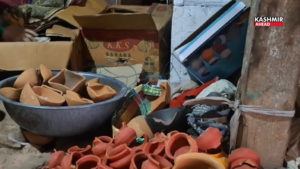
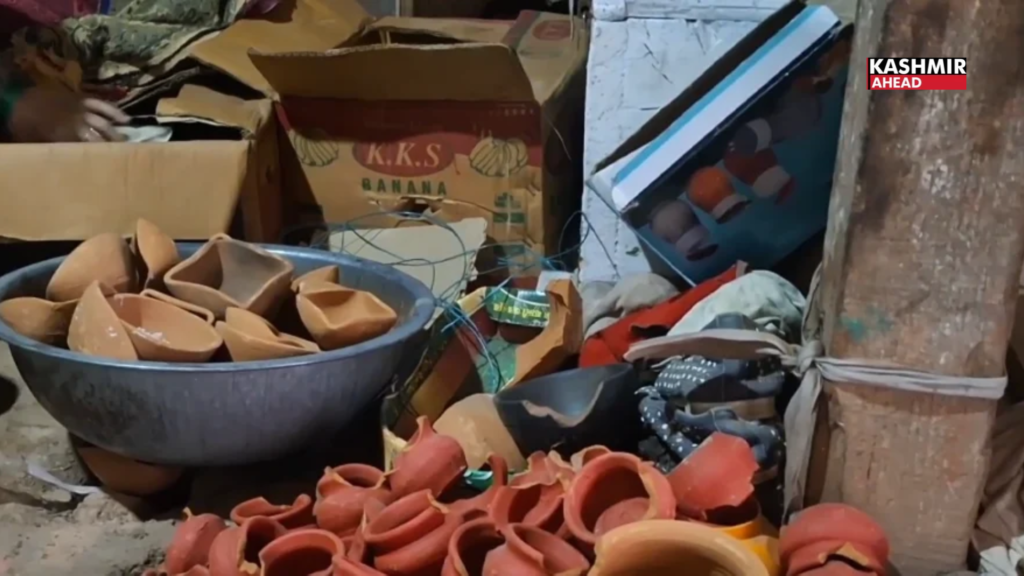
The PM Street Vendor’s AtmaNirbhar Nidhi (PM SVANidhi) scheme, launched by the central government to support urban street vendors affected by the COVID-19 pandemic, has emerged as a lifeline for many small traders in Tral who previously had little to no access to formal credit. Vendors selling fruits, vegetables, tea, snacks, and household goods across the town’s markets say the scheme’s collateral-free micro-loans have allowed them to expand their businesses, replenish stock more consistently, and reduce their dependence on informal moneylenders who often charged exorbitant interest rates.
Under the scheme, eligible street vendors can access an initial working capital loan of up to ₹10,000, with the possibility of availing higher loan amounts in subsequent tranches — up to ₹20,000 and then ₹50,000 — contingent on timely repayment. This structured, incremental lending model has encouraged financial discipline among vendors while simultaneously building their creditworthiness within the formal banking system, many of whom had never previously held a bank loan in their name.
Local vendors in Tral note that beyond the immediate financial relief, the scheme has also brought a sense of dignity and institutional recognition to a segment of the workforce that is often overlooked in formal economic planning. Many describe how the interest subsidies and cashback incentives tied to digital transactions under the scheme have further sweetened its appeal, nudging small business owners toward digital payment adoption — a shift that has, in turn, improved transparency and record-keeping in their day-to-day operations.
The scheme’s implementation in Pulwama district, and Tral specifically, reflects a broader push by authorities to extend financial inclusion initiatives to Jammu and Kashmir’s urban and semi-urban trading communities. Given the region’s unique socio-economic context, where small-scale street vending often serves as a primary or supplementary source of household income, targeted financial support schemes like PM SVANidhi carry particular significance for local economic resilience.
Vendors in the area have also pointed to the ease of the application process, facilitated through local urban local bodies and banking correspondents, as a key factor in the scheme’s successful uptake. Simplified documentation requirements and doorstep assistance for loan applications have reportedly reduced the traditional barriers that often discourage informal sector workers from engaging with formal credit systems.
As Prime Minister Modi’s 25-year public governance journey — spanning his tenure as Chief Minister of Gujarat and now as India’s Prime Minister — is being highlighted nationally, grassroots economic initiatives like PM SVANidhi are being cited as tangible examples of governance reaching the last mile. For Tral’s vendors, the scheme represents more than just a loan; it symbolizes an acknowledgment of their contribution to the local economy and a pathway toward greater financial stability.
Local trade associations in Pulwama have expressed hope that continued and expanded implementation of such schemes could further strengthen the informal trading sector, particularly as urban markets in the region continue to grow. For now, vendors in Tral remain optimistic that initiatives like PM SVANidhi will continue to play a pivotal role in supporting their livelihoods in the years ahead.