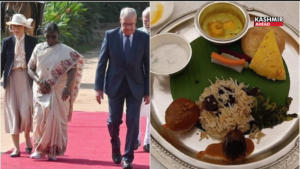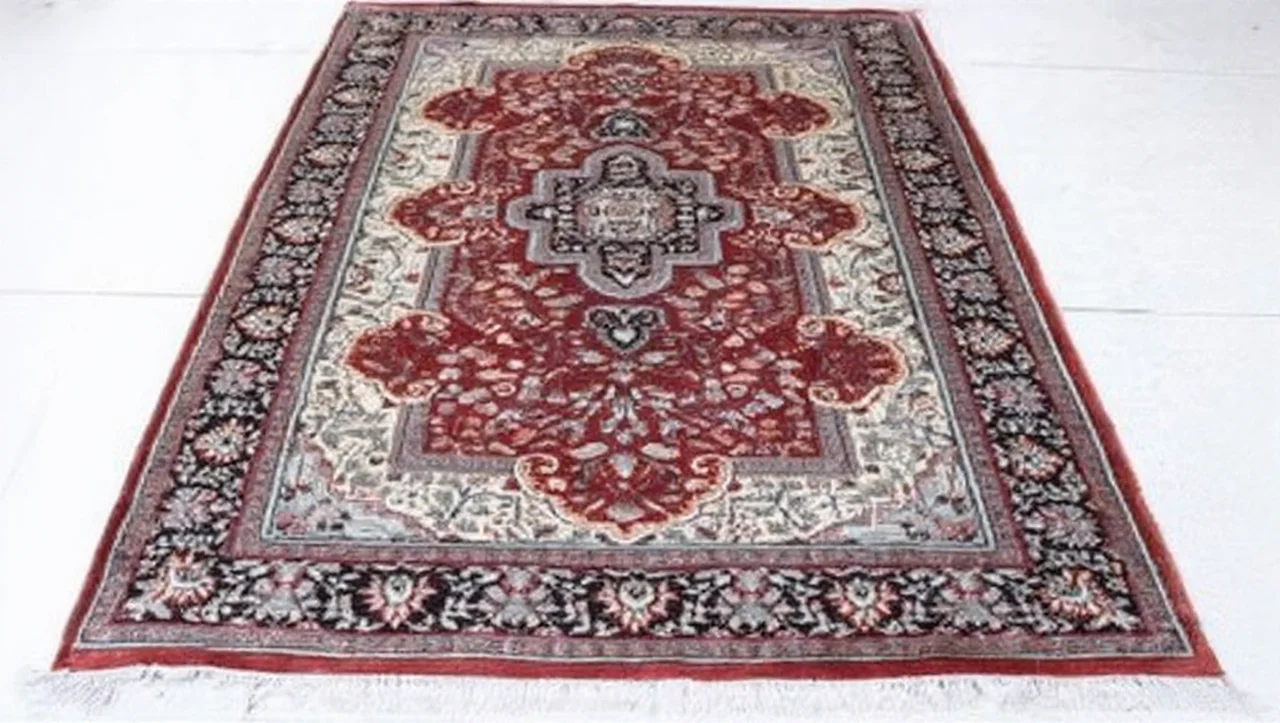
Kashmir, June 19,2026- In a gesture that beautifully blended diplomacy with cultural heritage, Prime Minister Narendra Modi presented a handcrafted Kashmiri Silk Carpet to Slovak Prime Minister Robert Fico during their diplomatic engagement. The exquisite gift, rooted in centuries of tradition and artistry, symbolized India’s rich cultural legacy while highlighting the unmatched craftsmanship of Kashmiri artisans.
More than a decorative masterpiece, the Kashmiri Silk Carpet represents a living tradition that has been nurtured and preserved in the Kashmir Valley for generations. Widely regarded as one of the finest examples of hand-knotted carpet weaving in the world, the craft embodies patience, precision, and artistic excellence. By choosing this iconic handicraft as a diplomatic gift, Prime Minister Modi underscored India’s commitment to preserving traditional arts and promoting them on the global stage.
A Heritage Woven Through Centuries
The story of Kashmiri carpet weaving dates back several centuries. Historians trace its origins to the cultural exchanges that took place between Central Asia, Persia, and the Kashmir Valley. Over time, local artisans adapted and refined the techniques, creating a unique style that combined Persian influences with indigenous Kashmiri aesthetics.
Today, Srinagar remains the heart of Kashmir’s carpet-weaving industry. The city is home to thousands of skilled artisans who continue to practice the craft using traditional methods handed down through generations. Each carpet is the result of months, and sometimes years, of meticulous labor, making every piece a unique work of art.
The selection of a Kashmiri Silk Carpet as a diplomatic gift reflects not only the beauty of the craft but also its historical significance. It serves as a reminder of India’s rich artistic traditions and the enduring legacy of the artisans who keep them alive.
The Art of Creating a Kashmiri Silk Carpet
Crafting a Kashmiri Silk Carpet is a painstaking process that demands extraordinary skill and dedication. The journey begins with the selection of premium-quality natural silk, known for its softness, durability, and lustrous finish. The silk threads are carefully prepared and dyed using vibrant colors that bring the intricate designs to life.
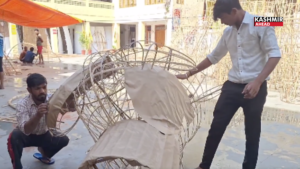
The weaving process is entirely manual. Artisans sit for long hours at traditional looms, tying thousands of tiny knots by hand according to a detailed design map known as a “Talim.” This coded pattern guides the weavers in creating complex motifs with remarkable precision.
A single high-quality silk carpet can contain hundreds of knots per square inch, allowing artisans to achieve extraordinary levels of detail. Depending on its size and complexity, a carpet may take several months or even years to complete.
Once the weaving is finished, the carpet undergoes a series of finishing processes, including washing, stretching, trimming, and polishing. These steps enhance the carpet’s texture, color, and overall appearance, resulting in a masterpiece that is admired around the world.
Inspired by Nature and Tradition
One of the most distinctive features of Kashmiri Silk Carpets is their intricate design vocabulary. The motifs often draw inspiration from Kashmir’s breathtaking landscapes, rich flora, and cultural traditions.
Floral patterns are among the most popular designs, featuring blooming flowers, delicate petals, and lush gardens reminiscent of the famed Mughal gardens of Kashmir. Paisley motifs, elegant vines, medallions, and geometric patterns are also commonly incorporated into the carpets.
The vibrant colors and detailed artistry reflect the natural beauty of the Kashmir Valley, often referred to as “Paradise on Earth.” Through these motifs, artisans capture the essence of the region’s culture and environment, transforming silk threads into enduring works of art.
Each carpet tells a unique story, making it much more than a household furnishing. It becomes a cultural artifact that embodies the creativity and heritage of the people who crafted it.
A Global Symbol of Excellence
Kashmiri Silk Carpets have earned worldwide recognition for their exceptional quality and craftsmanship. Collectors, museums, luxury hotels, and art enthusiasts across the globe regard them as symbols of elegance and refinement.
Their reputation has been built on generations of skilled workmanship and unwavering attention to detail. Many carpets produced in Kashmir are exported to international markets, where they command admiration for their beauty and durability.
The hand-knotted nature of these carpets sets them apart from machine-made alternatives. Every knot represents the artisan’s dedication and expertise, contributing to a product that is both aesthetically stunning and culturally significant.
By gifting a Kashmiri Silk Carpet to Slovak Prime Minister Robert Fico, India showcased one of its most celebrated handicrafts to the international community, reinforcing the global reputation of Kashmiri artisans and their remarkable creations.
Cultural Diplomacy Through Craftsmanship
Diplomatic gifts often carry deeper meanings than their material value. They reflect a nation’s identity, traditions, and aspirations. In this context, the Kashmiri Silk Carpet served as a powerful instrument of cultural diplomacy.
Prime Minister Modi’s choice highlighted India’s rich heritage while fostering cultural understanding between India and Slovakia. The gift represented not only artistic excellence but also the values of patience, creativity, and craftsmanship that define Indian culture.
Such gestures help build stronger connections between nations by creating opportunities for cultural exchange. They allow countries to share aspects of their history and traditions in a meaningful and memorable manner.
The presentation of the carpet demonstrated how traditional crafts can serve as ambassadors of culture, strengthening international relationships through shared appreciation of art and heritage.
Supporting Artisans and Traditional Industries
The recognition of Kashmiri handicrafts on international platforms also brings attention to the communities that sustain these traditions. Thousands of families in the Kashmir Valley depend on carpet weaving and related crafts for their livelihoods.
Government initiatives and promotional efforts have increasingly focused on preserving traditional handicrafts while helping artisans access national and international markets. Such efforts aim to ensure that younger generations continue to embrace these crafts and carry them forward.
Global exposure through diplomatic exchanges can significantly boost awareness and demand for traditional products, creating new opportunities for artisans and strengthening local economies.
For many Kashmiri craftsmen, seeing their work represented at the highest levels of international diplomacy is a source of pride and motivation. It validates their skills and reinforces the importance of preserving traditional knowledge.
Strengthening India-Slovakia Relations
The gifting of the Kashmiri Silk Carpet also carried diplomatic significance in the context of India-Slovakia relations. Cultural exchanges often complement political and economic partnerships, helping deepen mutual understanding between nations.
By presenting a handcrafted masterpiece that embodies India’s artistic heritage, Prime Minister Modi offered a symbol of friendship and goodwill to Slovak Prime Minister Robert Fico. The gesture reflected the growing ties between the two countries and their shared commitment to strengthening bilateral cooperation.
Such cultural symbols often leave lasting impressions, serving as reminders of the values and traditions that nations bring to their international relationships.
Preserving a Legacy for Future Generations
As the world becomes increasingly industrialized, traditional crafts face challenges from mass production and changing consumer preferences. Yet the enduring appeal of Kashmiri Silk Carpets demonstrates the timeless value of handmade artistry.
Each carpet represents countless hours of labor, generations of accumulated knowledge, and an unwavering commitment to excellence. Preserving this heritage is essential not only for economic reasons but also for maintaining cultural diversity and historical continuity.
The global recognition received through high-profile diplomatic exchanges helps ensure that these traditions remain relevant and appreciated in the modern world. It encourages continued investment in artisan communities and promotes awareness of the cultural treasures they create.
A Gift That Speaks Beyond Words
Prime Minister Narendra Modi’s presentation of a handcrafted Kashmiri Silk Carpet to Slovak Prime Minister Robert Fico was far more than a ceremonial exchange. It was a celebration of India’s artistic heritage, a tribute to the skill of Kashmiri artisans, and a powerful example of cultural diplomacy in action.
The carpet embodied centuries of craftsmanship, creativity, and tradition woven into every knot and motif. As it travels beyond India’s borders, it carries with it the story of Kashmir’s artisans, the beauty of the Valley’s cultural heritage, and the enduring spirit of Indian craftsmanship.
In choosing this remarkable gift, India showcased one of its finest artistic traditions to the world, reaffirming the importance of preserving cultural heritage while strengthening international friendships through the universal language of art.