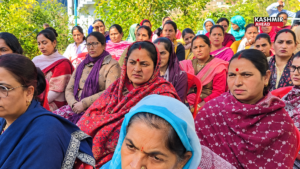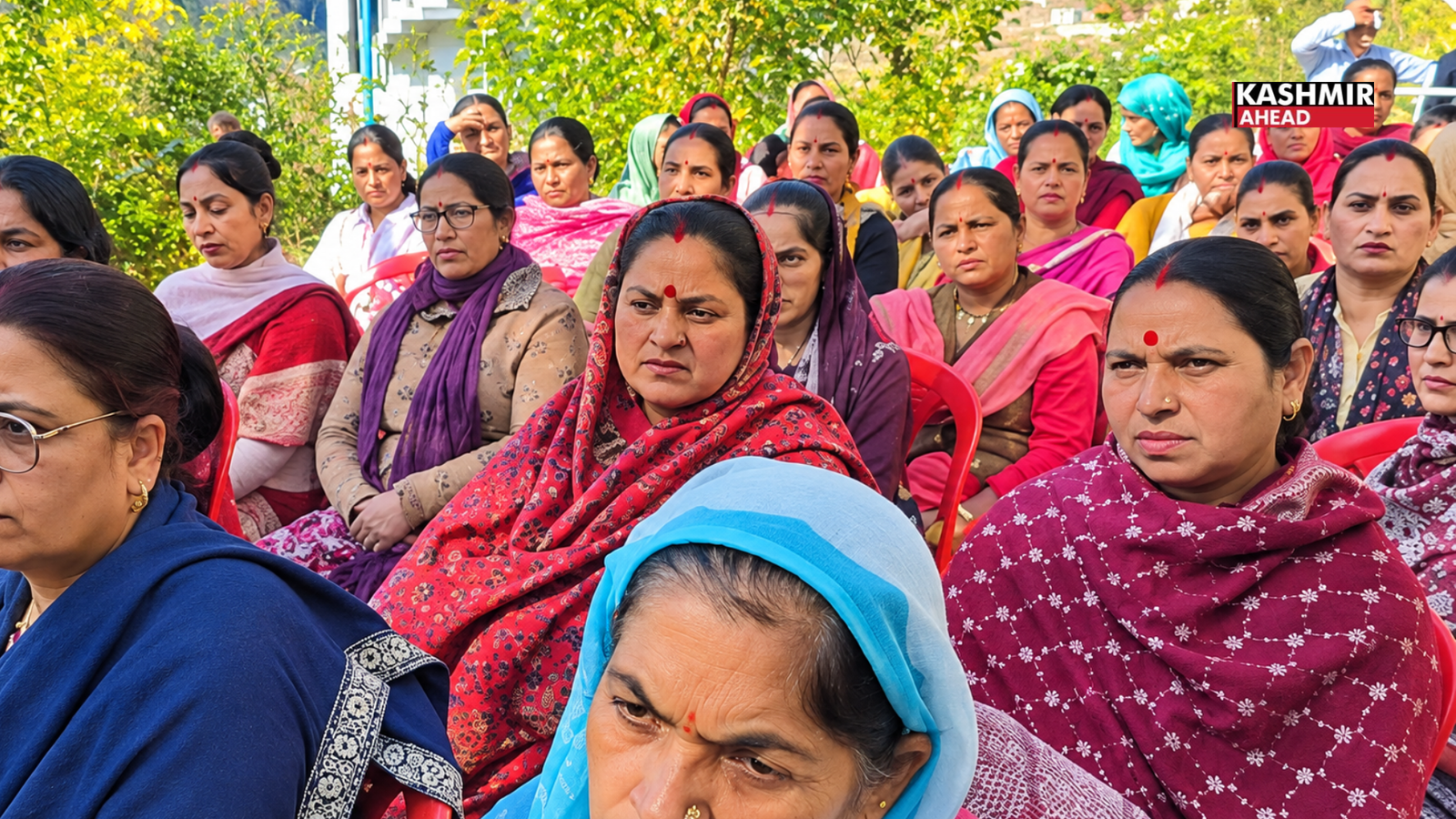
Bhaderwah, November 2,2026- In a significant step towards promoting sustainable agriculture and empowering rural women, 100 women farmers from Bhalara village in Bhaderwah received organic farming inputs during a one-day capacity-building programme organised by SKUAST-Kashmir in collaboration with the Agriculture Department.
The programme focused on promoting natural and organic farming practices, improving soil health management and creating awareness among Scheduled Caste farmers about environmentally sustainable agricultural techniques. The initiative aims to encourage farmers to adopt eco-friendly cultivation methods while strengthening their agricultural knowledge and livelihood opportunities.
During the programme, 100 women farmers were provided with bags of Russian worms, organic maize seeds and vermicompost to support the adoption of natural farming practices. The distribution of these agricultural inputs is expected to encourage farmers to explore sustainable alternatives to chemical-intensive cultivation and make greater use of locally available organic resources.
The programme also provided an opportunity for farmers to interact with agricultural experts and gain practical insights into the importance of maintaining soil fertility, improving crop productivity and adopting environment-friendly farming methods.
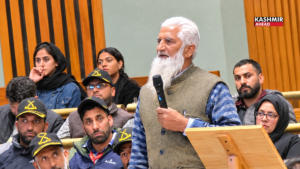
Addressing the participants, Senior Scientist Dr Aijaz Ahmed Lone highlighted the various benefits of organic farming and underlined its importance in ensuring long-term agricultural sustainability. He emphasised that natural farming practices can contribute towards improving soil structure, preserving beneficial microorganisms and reducing dependence on chemical fertilisers and pesticides.
He also encouraged farmers to make effective use of organic resources and adopt scientific farming techniques suited to local agricultural conditions. Such practices, he noted, can help maintain ecological balance while supporting healthier agricultural production.
Sub-Divisional Agriculture Officer Aamir Rafiqui also addressed the gathering and stressed the importance of soil health management in achieving sustainable agricultural growth. He highlighted the need to protect soil fertility through responsible cultivation practices, organic manure application and the adoption of environment-friendly agricultural methods.
He encouraged the participating women farmers to implement the knowledge gained during the training programme in their fields and actively contribute towards promoting natural farming within their communities.
The special focus on women farmers reflects the important role played by rural women in Jammu and Kashmir’s agricultural economy. Women contribute significantly to farming activities, including sowing, plantation, crop management, harvesting and post-harvest operations. Providing them with access to agricultural resources, technical guidance and capacity-building opportunities can strengthen their participation in decision-making and improve their livelihood prospects.
The distribution of organic maize seeds and vermicompost, along with Russian worms for vermicomposting, is particularly significant in encouraging the use of organic inputs at the grassroots level. Vermicomposting offers farmers an opportunity to convert biodegradable agricultural and household waste into nutrient-rich organic manure, helping improve soil quality and reduce waste.
The collaboration between SKUAST-Kashmir and the Agriculture Department also highlights the importance of institutional support in taking scientific agricultural knowledge directly to farming communities. Capacity-building initiatives and field-level awareness programmes can help bridge the gap between agricultural research and its practical application.
Such initiatives are particularly important for small and marginal farmers, who can benefit from improved cultivation techniques, better resource management and sustainable agricultural practices.
The programme at Bhalara village marks an effort to strengthen grassroots agricultural development while encouraging greater participation of women in sustainable farming initiatives. By equipping farmers with essential inputs and scientific knowledge, the initiative seeks to promote environmentally responsible agriculture, improve soil health and support rural livelihoods in Bhaderwah.
With growing emphasis on sustainable farming and natural resource conservation, programmes of this nature can play an important role in encouraging a transition towards more resilient and environment-friendly agricultural systems across Jammu and Kashmir.