Kashmir, October 6,2026– Prime Minister Narendra Modi has gifted Swiss President Guy Parmelin a hand-carved Kashmiri walnut wood panel along with three acclaimed Indian cheeses, Gulmarg, Konark and Yeoor, in a gesture that showcased India’s craftsmanship and its growing cheese-making tradition. The gifts placed Kashmir at the centre of a cultural exchange between the two countries.
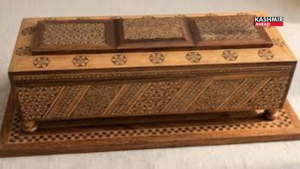
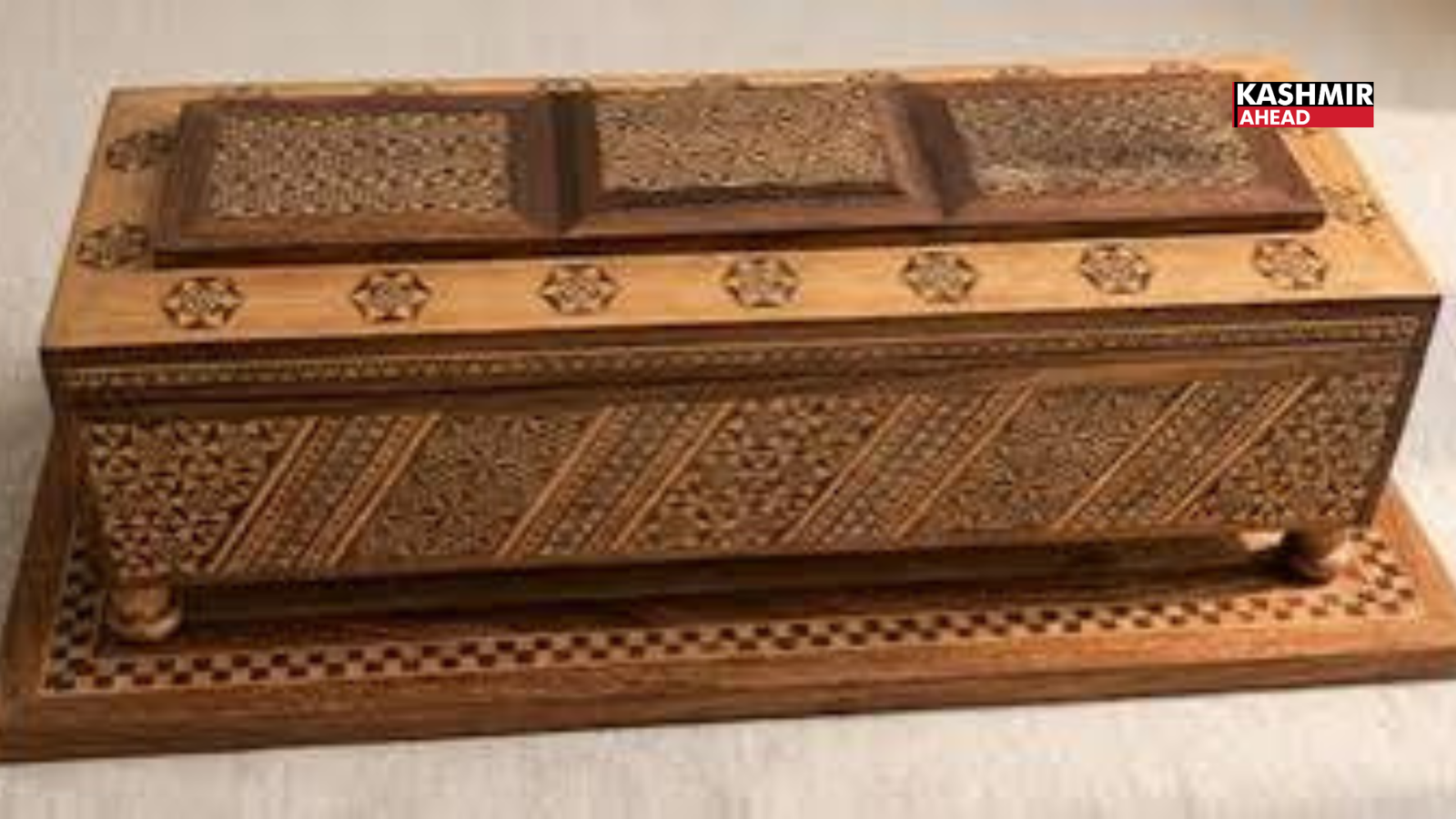
The walnut wood panel comes from one of Kashmir’s most celebrated art forms. Walnut wood carving has been practised in the Valley for centuries, and artisans are known for their patient, detailed work. Using hand tools, they cut intricate patterns into the dense, fine-grained wood, often drawing on floral motifs, vines, leaves and geometric designs inspired by the landscape and Persian-influenced traditions of the region. A single panel can take days or even weeks to complete, and each piece carries the individual touch of the craftsperson who made it. The craft has also earned recognition beyond India, and it remains a source of livelihood for many families in Kashmir.
Choosing such a piece as a state gift carries meaning. It presents a living tradition, passed down through generations of artisans, to a leader of a country that itself takes pride in precision craftsmanship. A hand-carved panel is also a lasting object, meant to be displayed and admired long after the visit that brought it.
Alongside the panel, the Prime Minister presented three Indian cheeses: Gulmarg, Konark and Yeoor. The choice was a notable one, since cheese is closely associated with Switzerland, a country with a deep and world-famous dairy heritage. Gifting Indian cheeses to a Swiss leader signals the confidence of a young but fast-growing Indian industry that is now producing artisanal cheeses of recognised quality.
The three cheeses reflect different corners of the country. Gulmarg points to the Kashmir Valley, linking the gift to the same region as the walnut panel and reinforcing Kashmir’s place in the exchange. Konark evokes Odisha, home to the famed sun temple of the same name. Yeoor takes its name from the Yeoor hills near Mumbai in Maharashtra. Together, they suggest that cheese-making in India is not confined to a single region but is taking root in several parts of the country, shaped by local milk, climate and the skill of small producers.
India has long been among the world’s largest producers of milk, but its traditional dairy culture has centred on products such as paneer, ghee, curd and sweets. Aged and artisanal cheeses are a newer development. In recent years, a growing number of Indian cheesemakers have begun to experiment with European techniques and adapt them to Indian conditions, and some of their products have won awards. By describing the three cheeses as acclaimed, the gift highlights this progress and the ambition of a young industry.
Such gestures are a familiar part of diplomacy. State gifts are rarely chosen at random. They are selected to tell a story about the giver’s culture, history and aspirations, and to find some common ground with the recipient. Here, the pairing of a centuries-old craft with a newer culinary industry captures both the depth of India’s heritage and the energy of its present. The Swiss audience, known for appreciating both fine woodwork and fine cheese, is well placed to recognise the quality of each.
For Kashmir, the attention is welcome. Artisans who work in walnut wood often face competition from cheaper, machine-made goods, and recognition at the highest diplomatic level can raise the profile of authentic handmade work and encourage younger people to keep the craft alive. Similarly, putting Gulmarg cheese before an international leader draws notice to the region’s dairy potential.
Taken together, the gifts offer a compact portrait of India: ancient artistry and modern enterprise, the Himalayan north and the coastal east and west, tradition and innovation, all presented in one thoughtful exchange.