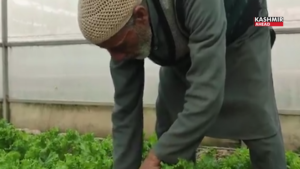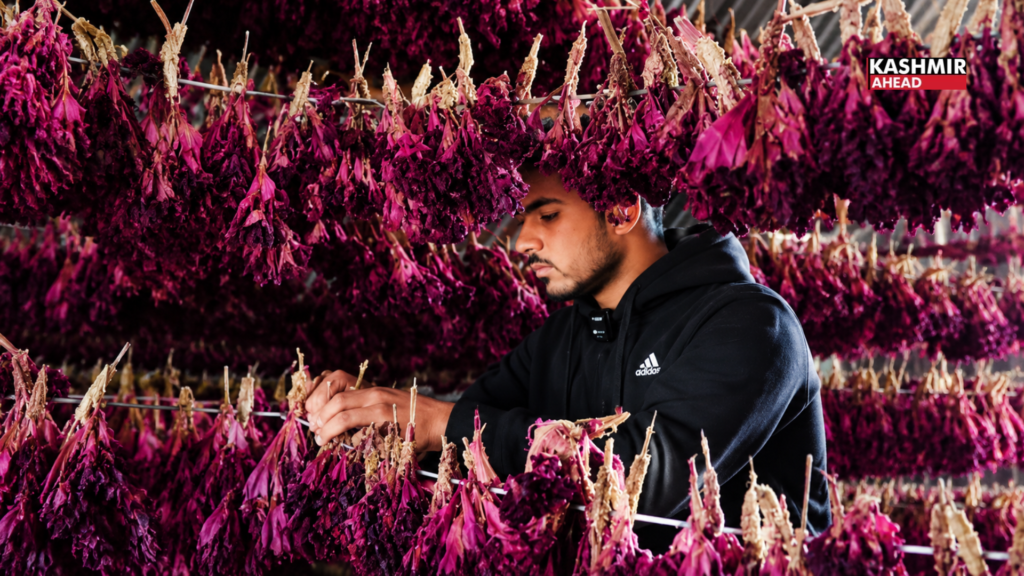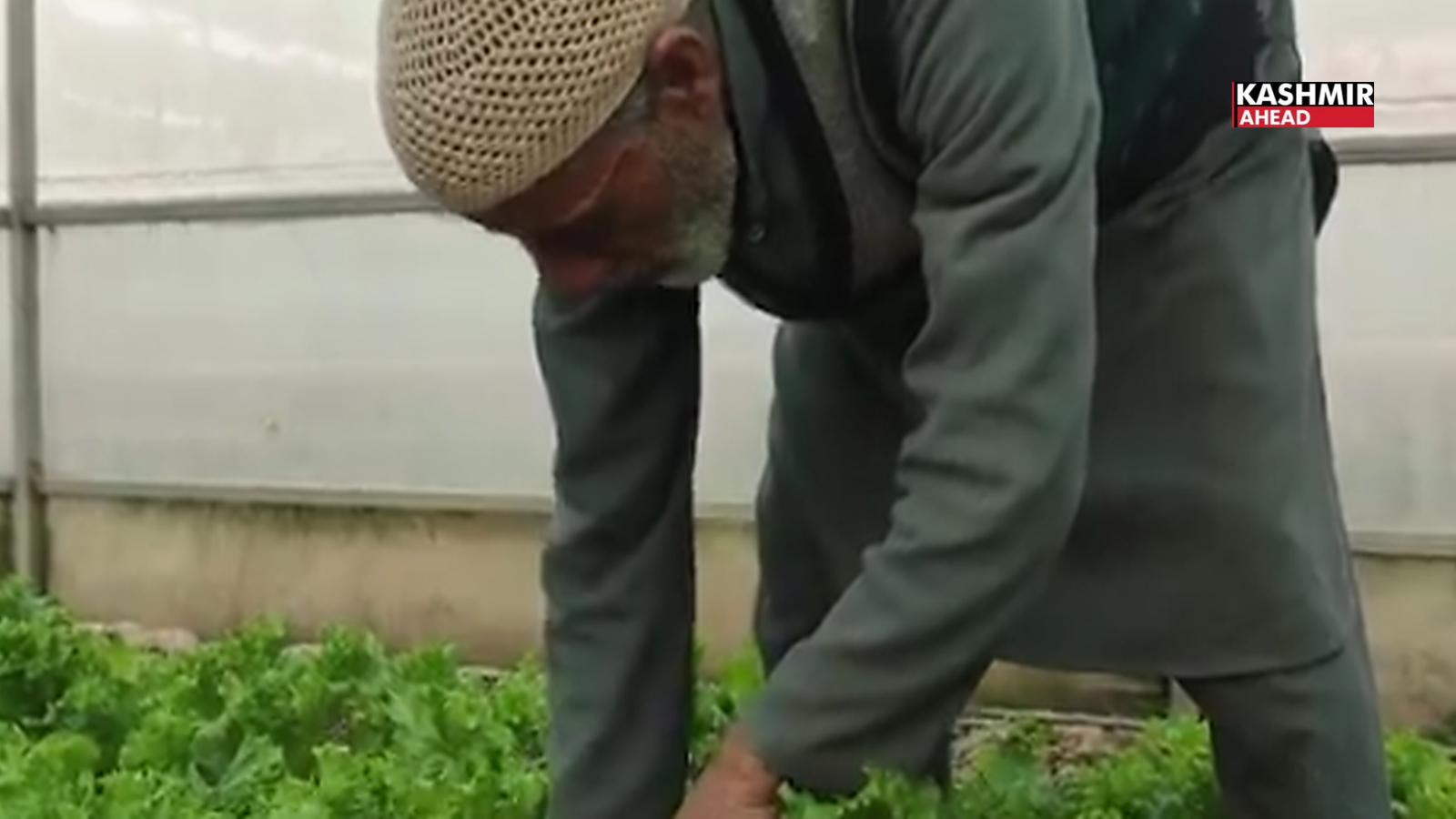
Pulwama, October 26,2026- In a step towards modernising agriculture and strengthening the local vegetable supply chain, a farmer from Tahab village in Pulwama district has established a mini cold storage facility to preserve vegetables and support year-round farming.
The initiative aims to address one of the major challenges faced by vegetable growers: post-harvest losses caused by the lack of adequate storage facilities. By providing a suitable environment for preserving harvested produce, the facility is expected to help maintain vegetable quality, extend shelf life and encourage farmers to adopt improved agricultural practices.
Agriculture remains an important source of livelihood for many families in Pulwama and other parts of Kashmir. Vegetable cultivation provides income and employment opportunities to farmers, but fluctuations in market demand, seasonal production and limited storage infrastructure can affect their earnings. When harvested vegetables cannot be stored properly, farmers may be compelled to sell their produce quickly, sometimes at lower prices.
The mini cold storage facility offers a potential solution by enabling vegetables to be preserved for longer periods under appropriate storage conditions. This can help farmers manage their produce more effectively and reduce the pressure to sell immediately after harvesting.
Modern Storage for Better Farm Management
The facility at Tahab reflects the growing importance of modern infrastructure in agriculture. While traditional farming practices continue to play a significant role in the region, improved storage and post-harvest management can help farmers protect the value of their produce.
Vegetables are often highly perishable, making timely transportation and proper storage essential. Temperature-controlled facilities can slow deterioration and help maintain freshness, provided the temperature and humidity are suitable for the particular crop.
For vegetable growers, access to such infrastructure can improve planning and make it easier to manage harvested produce during periods of fluctuating demand. It can also support better coordination between harvesting, storage and marketing.
The initiative highlights how local-level interventions can contribute to strengthening agricultural activities and encouraging farmers to explore practical solutions to everyday challenges.
Supporting Year-Round Vegetable Farming
One of the key objectives of the initiative is to support year-round farming by improving the management of harvested vegetables. Seasonal production often results in fluctuations in market supply, which can influence prices and farmers’ incomes.
Appropriate storage can help growers retain marketable produce for longer and plan sales more strategically. Depending on the facility’s capacity and the crops being stored, this may help reduce wastage and improve the overall efficiency of farm operations.
The availability of a mini cold storage unit could also encourage other farmers to consider the benefits of investing in post-harvest infrastructure. Wider adoption of suitable storage solutions may help strengthen the local agricultural ecosystem and improve the handling of perishable commodities.
However, the benefits depend on factors such as operating costs, electricity supply, storage capacity, crop-specific requirements and access to markets. Ensuring that the facility remains economically viable will be important for its long-term success.
A Step Towards Stronger Agricultural Infrastructure
The initiative by the Tahab farmer underscores the need to complement agricultural production with effective post-harvest management. Increasing crop production alone may not guarantee better returns if farmers lack the infrastructure required to preserve and market their produce efficiently.
Investment in cold storage, grading, packaging, transportation and market linkages can help reduce avoidable losses and improve the value farmers receive for their efforts.
Such initiatives can also contribute to more resilient agricultural livelihoods by helping growers manage seasonal challenges and make informed decisions about when and how to sell their produce.
For Pulwama’s farming community, the establishment of the mini cold storage facility represents a local effort to address storage-related challenges through modern technology. It brings attention to the importance of practical, farmer-led solutions that can complement wider efforts to improve agricultural productivity.
As agriculture continues to evolve, the adoption of suitable storage technologies and improved post-harvest practices will remain important for supporting vegetable growers, reducing wastage and strengthening rural livelihoods across Jammu and Kashmir.