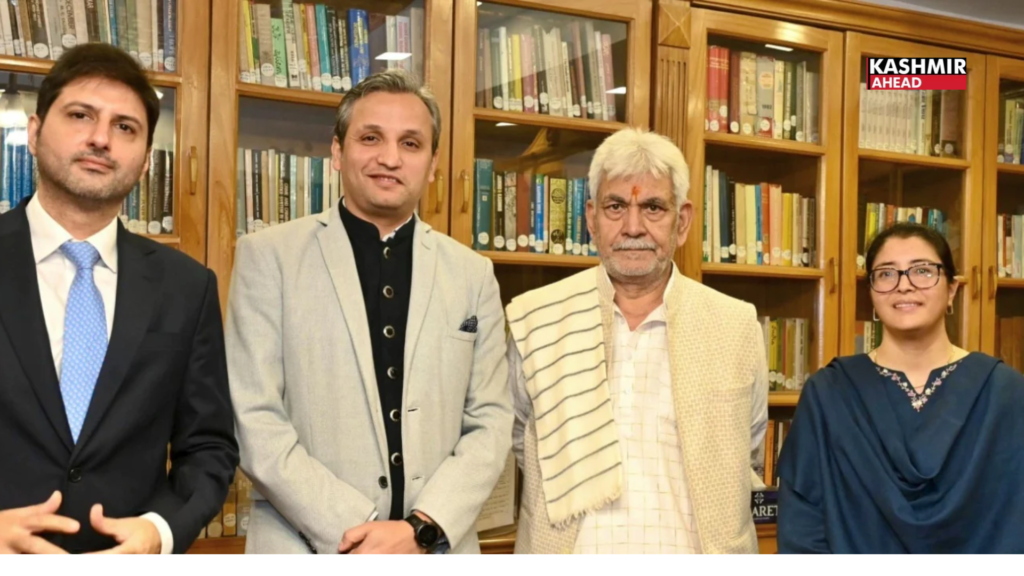
Srinagar, October 5,2026– Jammu and Kashmir Lieutenant Governor Manoj Sinha attended the inaugural function of the International Symposium on AI and Robotics in Srinagar, where he stressed that women and farmers must remain at the heart of the agricultural transformation under way in the Union Territory.
The symposium brings together experts, researchers and stakeholders to discuss how artificial intelligence and robotics can shape the future of agriculture and allied sectors. Its location in Srinagar reflects the growing interest in applying advanced technology to the needs of the region.
Technology for the Farmer
Agriculture remains a mainstay of Jammu and Kashmir’s economy, with a large share of the population dependent on farming, horticulture and allied activities. Artificial intelligence and robotics are increasingly seen as tools that can help farmers make better decisions, reduce losses and improve productivity.
AI-based systems can analyse weather patterns, soil conditions and crop health to guide farmers on irrigation, fertiliser use and pest control. Robotics and automation can ease labour-intensive tasks such as sowing, spraying and harvesting. For a region with small landholdings and difficult terrain, such solutions can be particularly valuable if they are affordable and easy to use.
Women at the Centre of Change
The Lieutenant Governor’s emphasis on women reflects their central role in the farm economy. Women contribute significantly to agricultural work, from sowing and transplanting to harvesting, post-harvest handling and the rearing of livestock. They are also increasingly involved in self-help groups, agri-enterprises and value-added ventures.
Observers note that agricultural transformation will be more meaningful if women have access to training, credit, markets and modern tools. Technology that lowers drudgery and saves time can help women take up larger roles in farm enterprises and decision-making, with benefits for household incomes and rural communities.
Farmers as Partners, Not Beneficiaries
Placing farmers at the heart of transformation means involving them in the process rather than treating them as passive recipients of new technology. Experts often point out that innovations succeed when they are shaped around the actual needs of growers, supported by training and field-level demonstration.
Awareness and capacity building are therefore important. Farmers need to understand how digital tools work, how to use them with confidence and how to benefit from them. Extension services, research institutions and local bodies can play a key role in bridging the gap between laboratory innovation and the farm field.
A Platform for Knowledge Exchange
International symposiums of this kind provide a platform for researchers, innovators, policymakers and industry representatives to share ideas and experience. Exchanges of this sort can lead to partnerships, pilot projects and practical solutions tailored to local conditions.
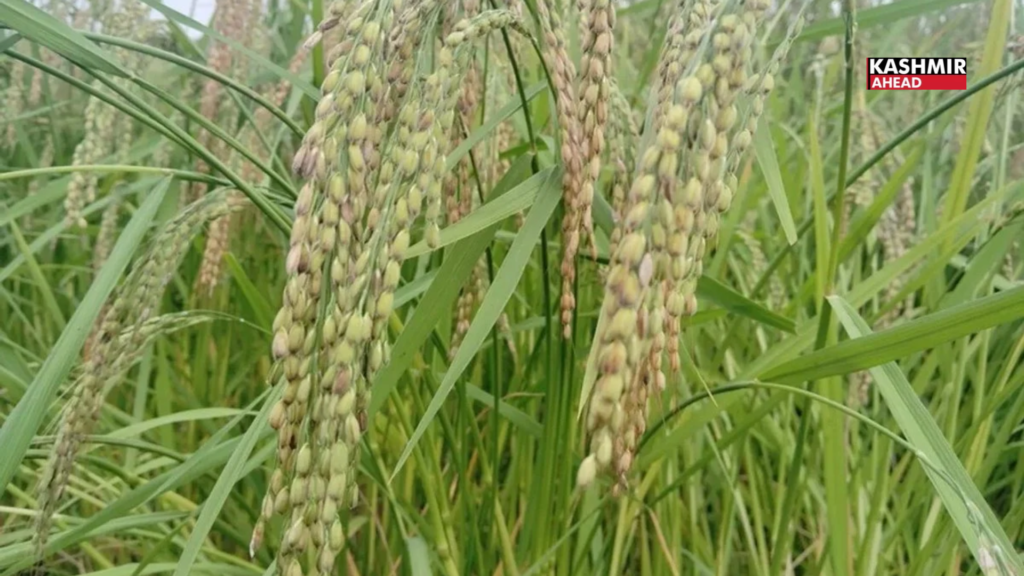
For Jammu and Kashmir, where horticulture, saffron, paddy and other crops are central to livelihoods, advances in precision farming, smart monitoring and automation hold promise. Applied carefully, they can help protect crops, improve quality and strengthen the region’s position in the market.
Inclusive and Sustainable Growth
As technology advances, experts stress that its benefits should reach all sections of the farming community, including small and marginal growers and women in remote areas. Sustainability is equally important, with efficient use of water, soil health and responsible use of inputs central to long-term farm viability.
Digital connectivity, access to affordable equipment and skill development will determine how widely the benefits of AI and robotics are shared. Without these, observers caution, the gap between technology and the farmer may widen rather than narrow.
Looking Ahead
The presence of the Lieutenant Governor at the symposium underlines the importance being given to technology-driven development in agriculture. His message that women and farmers must remain at the centre of the transformation offers a clear direction: innovation should serve those who work the land.
As discussions at the symposium continue, the hope is that ideas shared in Srinagar will translate into practical benefits in the field, helping build a more productive, inclusive and future-ready agricultural sector in Jammu and Kashmir.