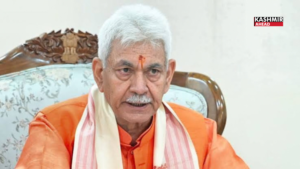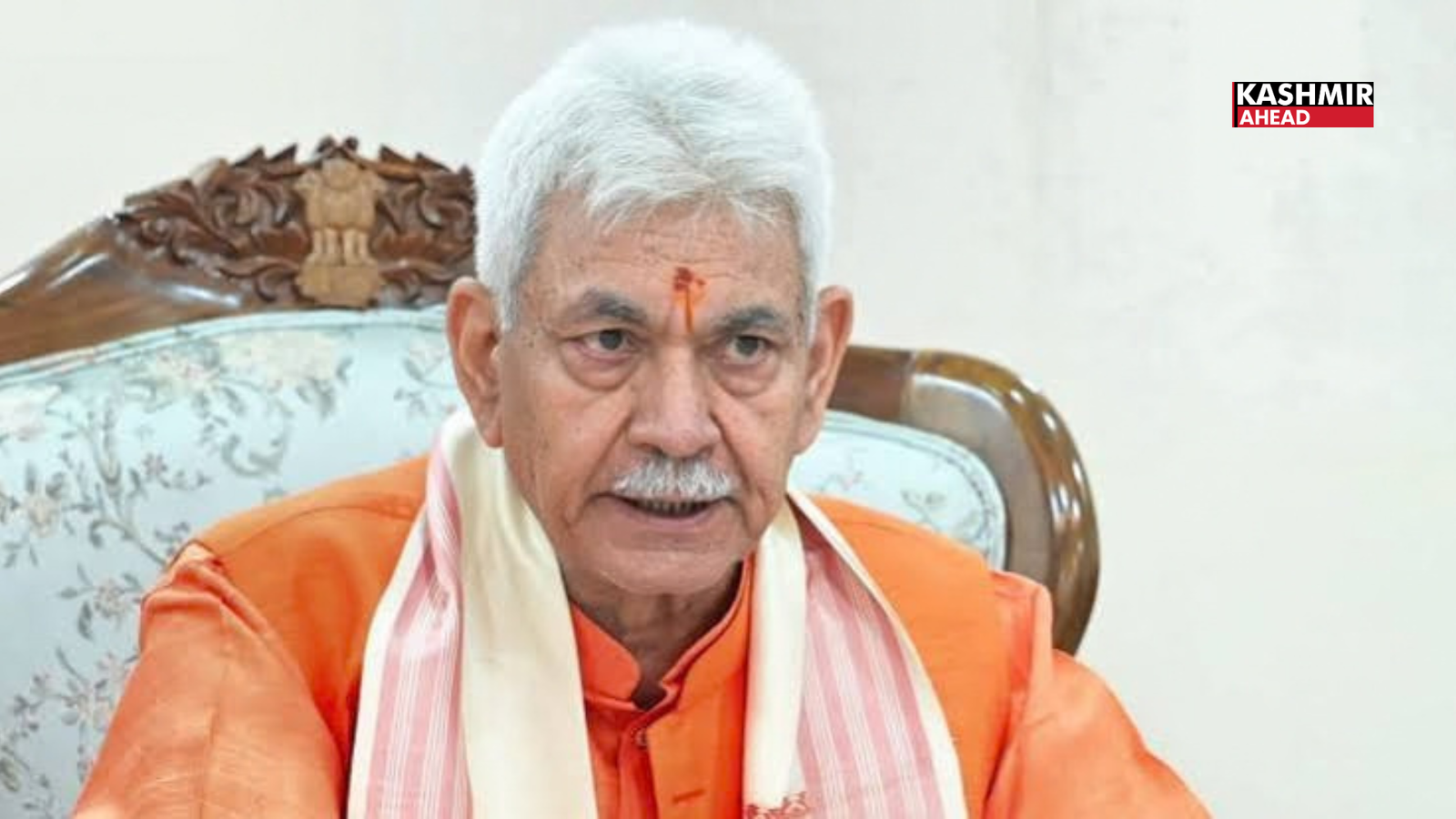
Srinagar, October 8,2026 – A new momentum is visible across Jammu and Kashmir. From development and infrastructure to youth empowerment and public service, Lieutenant Governor Manoj Sinha continues to champion a focused approach that puts progress and people at the heart of governance, a direction increasingly described in the language of transformation.
Development and Infrastructure
Infrastructure remains the foundation on which any region builds its future. Roads, bridges, power, water supply, health facilities and public transport shape how people live, travel, learn and earn. In Jammu and Kashmir, the emphasis has been on strengthening these basic systems and extending their reach to towns and villages alike.
Better connectivity brings farmers closer to markets, students closer to educational institutions and patients closer to hospitals. In urban areas, modern public transport is part of the same effort. The expansion of the electric bus fleet in Jammu under the PM-eBus Sewa programme, where bidding for 75 new air-conditioned buses has been completed, reflects a wider push towards cleaner and more passenger-friendly mobility.
Empowering the Youth
A young population is among the region’s greatest strengths, and the focus on youth empowerment recognises this. Opportunities in education, skill development, sport, entrepreneurship and employment help young people build careers close to home and contribute to the local economy.
Sport offers a clear example. Tournaments, training platforms and school-level competitions give young athletes, including girls, a chance to compete and build confidence. Similarly, support for self-employment and skill programmes helps young people turn ideas into livelihoods.
Public Service at the Core
Good governance is measured by how well it serves ordinary citizens. Faster delivery of services, greater transparency and easier access to government schemes are central to a people-first approach. Online portals and single-window systems reduce the need for repeated visits to government offices, saving time and effort, particularly for residents of remote areas.
Welfare schemes for artisans, farmers, women and other groups follow the same principle: the benefit of a policy must reach the person it is meant for, without needless delay. The Credit Card Scheme for artisans, under which loans worth ₹14.71 crore were extended in the first two quarters of the current financial year, is one such example of formal credit being brought closer to traditional craftspeople.
Strengthening Livelihoods and the Local Economy
Progress is most meaningful when it translates into livelihoods. Support for handicrafts, handloom, horticulture, tourism and small enterprises helps families earn a steady income and keeps local industries competitive. Tourism, including adventure and winter sports, is also opening new avenues for employment and drawing fresh attention to the region.
When infrastructure, enterprise and public services move together, their benefits reinforce one another. Better roads support tourism, tourism supports local businesses, and stronger businesses create jobs for young people.
A People-Centred Approach
At the heart of this approach is the principle that governance should be judged by its effect on everyday life. Whether it is a student gaining access to better facilities, an artisan receiving working capital or a commuter boarding a clean electric bus, the aim is to make a visible difference on the ground.
This outlook also depends on partnership. The administration, local bodies, businesses and citizens each have a role in sustaining progress and ensuring that it reaches every district.
The Road Ahead
Momentum, however, must be sustained. Projects need to be completed on time, services must remain accessible, and benefits must reach the last mile. Continued emphasis on quality, accountability and inclusion will determine how lasting this transformation proves to be.
For Jammu and Kashmir, the direction is clear: development that is visible, opportunities that are within reach of young people, and public service that is responsive to those it serves.