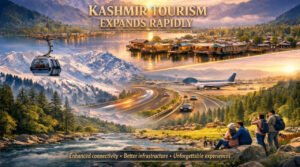
Srinagar, April 3,2026- Tourism in Kashmir is witnessing a transformative phase, driven by major infrastructure upgrades, policy interventions, and a steady rise in visitor footfall. Known for its breathtaking landscapes and cultural richness, the Valley is rapidly evolving into a year-round tourist destination, attracting both domestic and international travellers.
Over the past few years, the government has intensified efforts to strengthen tourism infrastructure across key destinations such as Srinagar, Gulmarg, Pahalgam, and Sonamarg. These efforts are part of a broader strategy to diversify tourism offerings and ensure sustainable growth in the sector.
Infrastructure Development Boosts Accessibility
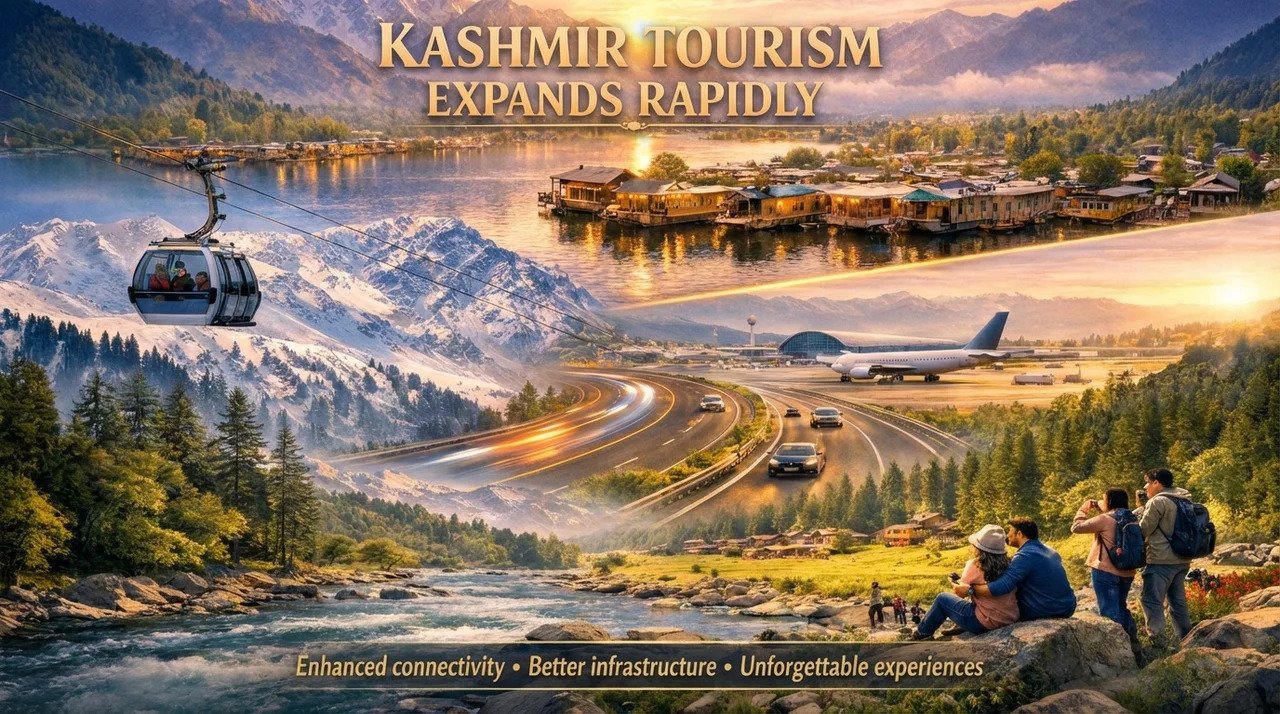
One of the most significant developments in Kashmir tourism is the expansion and modernization of road and air connectivity. Improved highways, including upgraded routes to remote tourist spots, have enhanced accessibility for visitors. The expansion of Srinagar International Airport has also played a crucial role in handling increased passenger traffic, especially during peak seasons.
Additionally, new road tunnels and improved transport facilities have reduced travel time to popular destinations, making Kashmir more accessible even during harsh winter months. These developments are expected to further boost tourist arrivals and encourage repeat visits.
Focus on Year-Round Tourism
Traditionally known for its summer appeal, Kashmir is now being promoted as an all-season destination. Winter tourism, particularly in Gulmarg, has gained prominence due to world-class skiing facilities and international winter sports events.
Similarly, autumn tourism, with its vibrant Chinar foliage, and spring tourism during the tulip bloom at the Indira Gandhi Memorial Tulip Garden, are drawing significant crowds. This diversification is helping extend the tourist season and generate consistent economic activity.
Emerging Tourist Destinations
Authorities are also focusing on developing lesser-known destinations to reduce pressure on traditional hotspots. Areas like Doodhpathri, Bangus Valley, and Gurez Valley are being promoted for eco-tourism and adventure tourism.
These destinations offer pristine landscapes, trekking opportunities, and unique cultural experiences, attracting tourists seeking offbeat travel options. Infrastructure development in these areas is being carried out with a focus on sustainability and minimal environmental impact.
Homestays and Community Participation
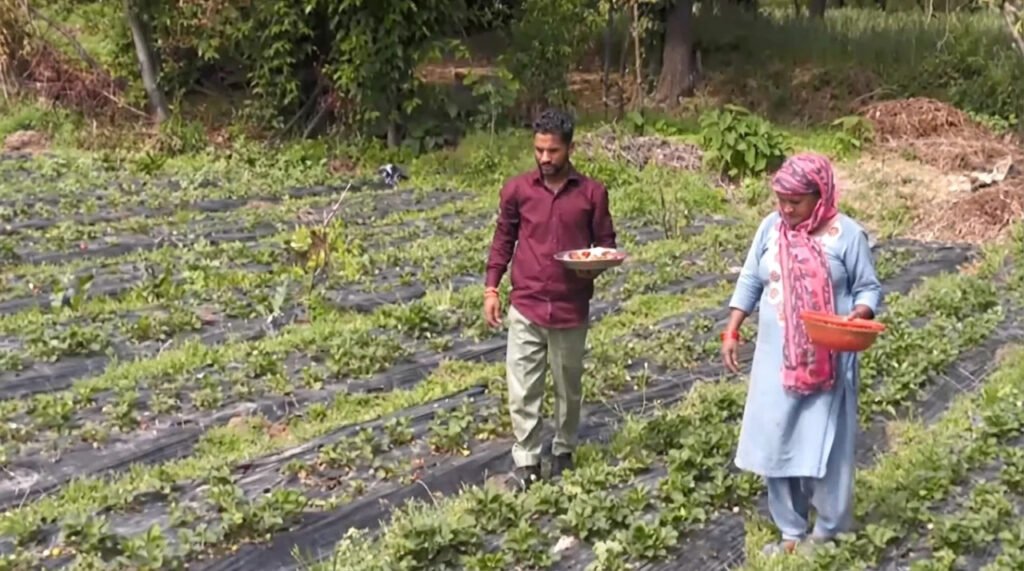
A key highlight of Kashmir’s tourism development is the growing emphasis on community-based tourism. The government has encouraged local residents to establish homestays, providing tourists with authentic cultural experiences while generating income for rural households.
In regions like Gurez Valley and Kupwara, homestays are gaining popularity, offering visitors a glimpse into local traditions, cuisine, and lifestyle. This initiative not only boosts rural economies but also promotes inclusive growth.
Digital Promotion and Global Outreach
The tourism department has significantly enhanced its digital outreach, using social media campaigns, virtual tours, and influencer collaborations to promote Kashmir globally. High-quality visual content showcasing the Valley’s beauty has helped attract a younger demographic of travellers.
Participation in national and international tourism fairs has further strengthened Kashmir’s presence on the global tourism map. Promotional campaigns highlighting safety, improved infrastructure, and diverse experiences have contributed to changing perceptions and increasing tourist confidence.
Adventure and Eco-Tourism on the Rise
Adventure tourism is emerging as a major attraction in Kashmir, with activities such as trekking, river rafting, paragliding, and skiing gaining popularity. Destinations like Sonamarg and Pahalgam are becoming hubs for adventure enthusiasts.
Eco-tourism initiatives are also being promoted to preserve the fragile Himalayan ecosystem. Authorities are encouraging responsible tourism practices, including waste management, conservation efforts, and regulated tourist activities in sensitive areas.
Boost to Local Economy and Employment
The growth in tourism has had a positive impact on the local economy, generating employment opportunities across sectors such as hospitality, transport, handicrafts, and food services. Artisans, guides, and small business owners are benefiting from increased tourist spending.
Handicrafts such as Pashmina shawls, carpets, and papier-mâché products are witnessing renewed demand, further supporting local artisans and preserving traditional crafts.
Government Initiatives and Policy Support
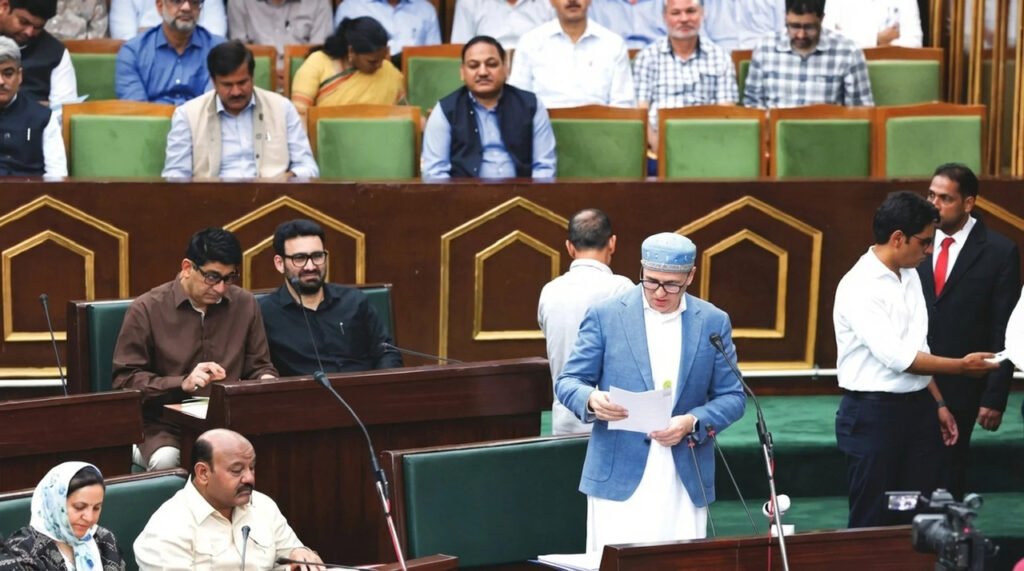
The government has introduced several policies to attract investment in the tourism sector. Incentives for hotel construction, development of tourism infrastructure, and public-private partnerships are encouraging private sector participation.
Special focus is being placed on sustainable tourism practices, ensuring that development does not compromise the region’s natural beauty and ecological balance. Initiatives aimed at waste management, conservation, and eco-friendly infrastructure are being implemented across tourist destinations.
Challenges and Way Forward
Despite significant progress, challenges remain. Managing tourist inflow, ensuring environmental sustainability, and maintaining infrastructure are key concerns. Authorities are working on comprehensive strategies to address these issues, including capacity planning and stricter regulations in ecologically sensitive areas.
There is also a continued emphasis on skill development and training for tourism stakeholders to enhance service quality and meet international standards.
Conclusion
Kashmir’s tourism sector is undergoing a remarkable transformation, driven by infrastructure development, policy support, and innovative initiatives. With a focus on sustainability, diversification, and community participation, the Valley is poised to become one of the most sought-after tourist destinations in the world.
As efforts continue to enhance accessibility, promote new destinations, and ensure responsible tourism, Kashmir stands on the brink of a new era of growth and global recognition.