Srinagar, September 15,2026- Three days of theatre, scholarship and cultural exchange concluded in Srinagar on Sunday with the Kashmir Theatre Conference calling for stronger institutional support, greater creative experimentation and more opportunities for young artists and theatre practitioners across the Valley.
A First-of-Its-Kind Gathering
Organised by ACT: For a Better Tomorrow, in collaboration with the Jammu and Kashmir Academy of Art, Culture and Languages (JKAACL), the conference was billed as the first event of its scale dedicated exclusively to theatre in Kashmir. It brought together eminent theatre practitioners, scholars, writers, actors, artists and cultural enthusiasts from within the Valley and beyond, to celebrate Kashmir’s centuries-old theatrical heritage while deliberating on its creative future.
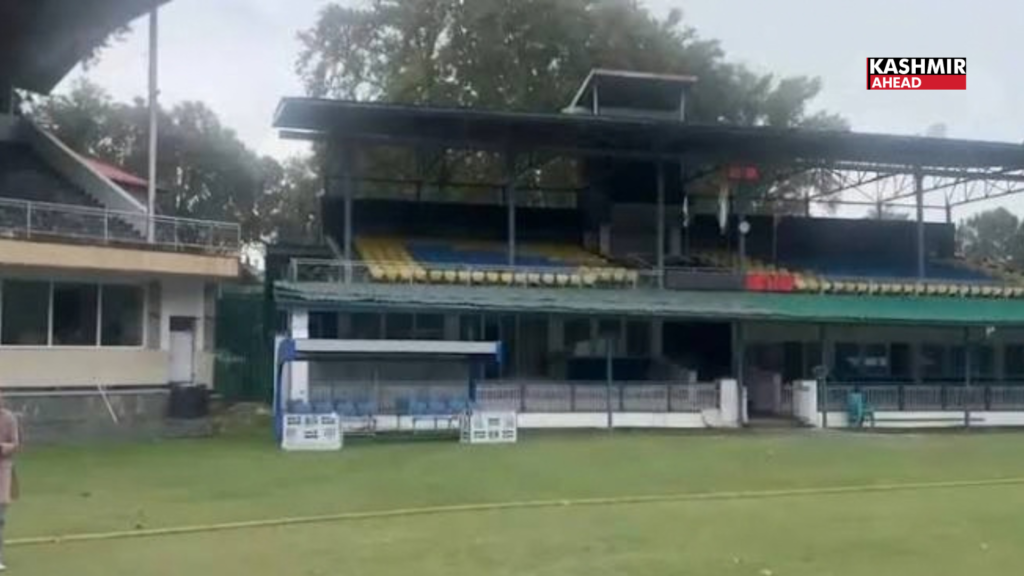
The event, held over three days at Tagore Hall in Srinagar, doubled as a commemoration of seventy-five years of theatre history in the region — a legacy organisers say dates back nearly a thousand years, but which has suffered repeated setbacks amid more than three decades of conflict and the pressures of the modern entertainment landscape.
From Academic Papers to the Stage
The proceedings began with an academic paper-reading session exploring the history of Kashmiri theatre, followed by an interactive discussion on “75 Years of the History of Theatre in Kashmir.” Scholars and practitioners including Hasrat Gadda, Gouri Shankar Raina, Basheer Bhawani, Dr Aiyash Arif and Ravi Kemmu presented research papers offering fresh insights into the evolution of the art form, alongside suggestions to enhance its quality and relevance today.
The inaugural session opened with the traditional Kashmiri ritual of “Isband Sozi,” symbolising purity and auspicious beginnings, before dignitaries were felicitated with traditional shawls and mementoes. The cultural segment featured a performance of the popular Kashmiri folk dance “Roff,” which drew warm appreciation from the audience and brought the Valley’s folk traditions to the centre of the programme. The first day’s proceedings closed with the staging of the Kashmiri play “Zu Qadam Kaithis Taam,” a thought-provoking production that received sustained applause. A later session also featured a Kashmiri play centred on drug abuse and its harmful effects on society, reflecting the conference’s intent to use theatre as a vehicle for social commentary as much as cultural celebration.
The Concluding Day
The final day began at 11 am with a further round of academic paper-reading and presentations, followed by a brainstorming discussion on “The Future Prospects of Theatre in Kashmir.” Speakers used the session to push for a more structured future for the art form in the Valley, stressing the need for institutional backing, funding, training infrastructure and consistent platforms for young performers to hone their craft.
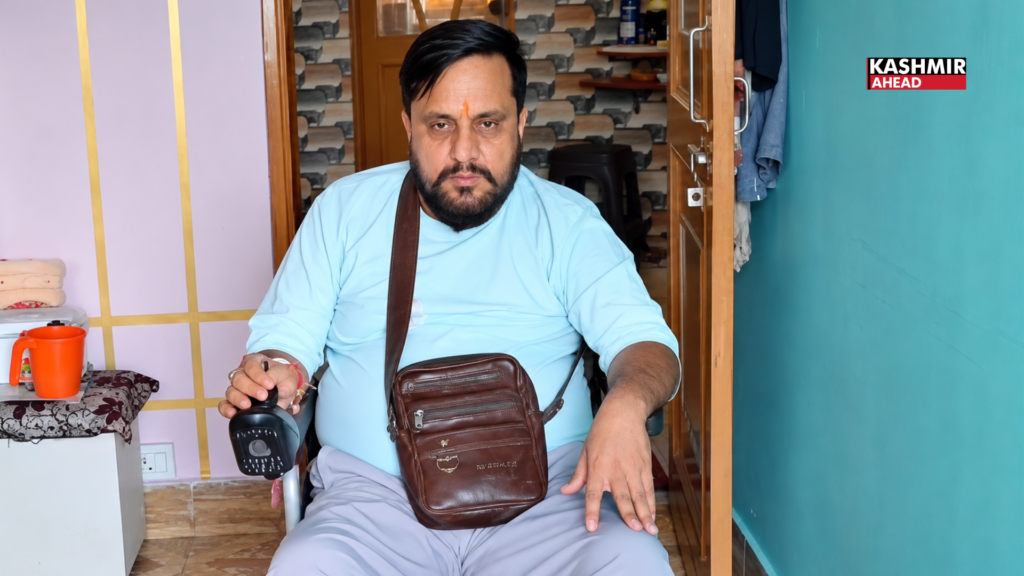
ACT Chairman Mushtaaque Ali Ahmad Khan said the outcomes of the conference, drawing on contributions from theatre practitioners in Kashmir and outside, should feed into a concrete action plan. He said organisers hoped to build “a roadmap for the next 5, 10, 20, and 30 years, which will benefit everyone.”
A Roadmap for the Future
Organisers said the conference would conclude with a compiled report of recommendations, to be presented to the government and cultural bodies in support of long-term efforts to revive and sustain Kashmir’s theatrical tradition. The intent, they said, is not simply to mark theatre’s storied past in the Valley, but to translate the conference’s discussions and creative energy into lasting institutional change — one that gives Kashmir’s next generation of playwrights, actors and directors a genuine stage to build on.
For a cultural form that has weathered decades of disruption, the conference’s organisers hope this gathering marks not an endpoint, but the beginning of a sustained revival of Kashmir’s stage.