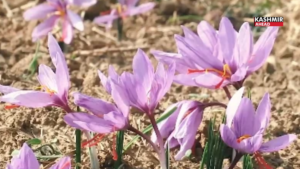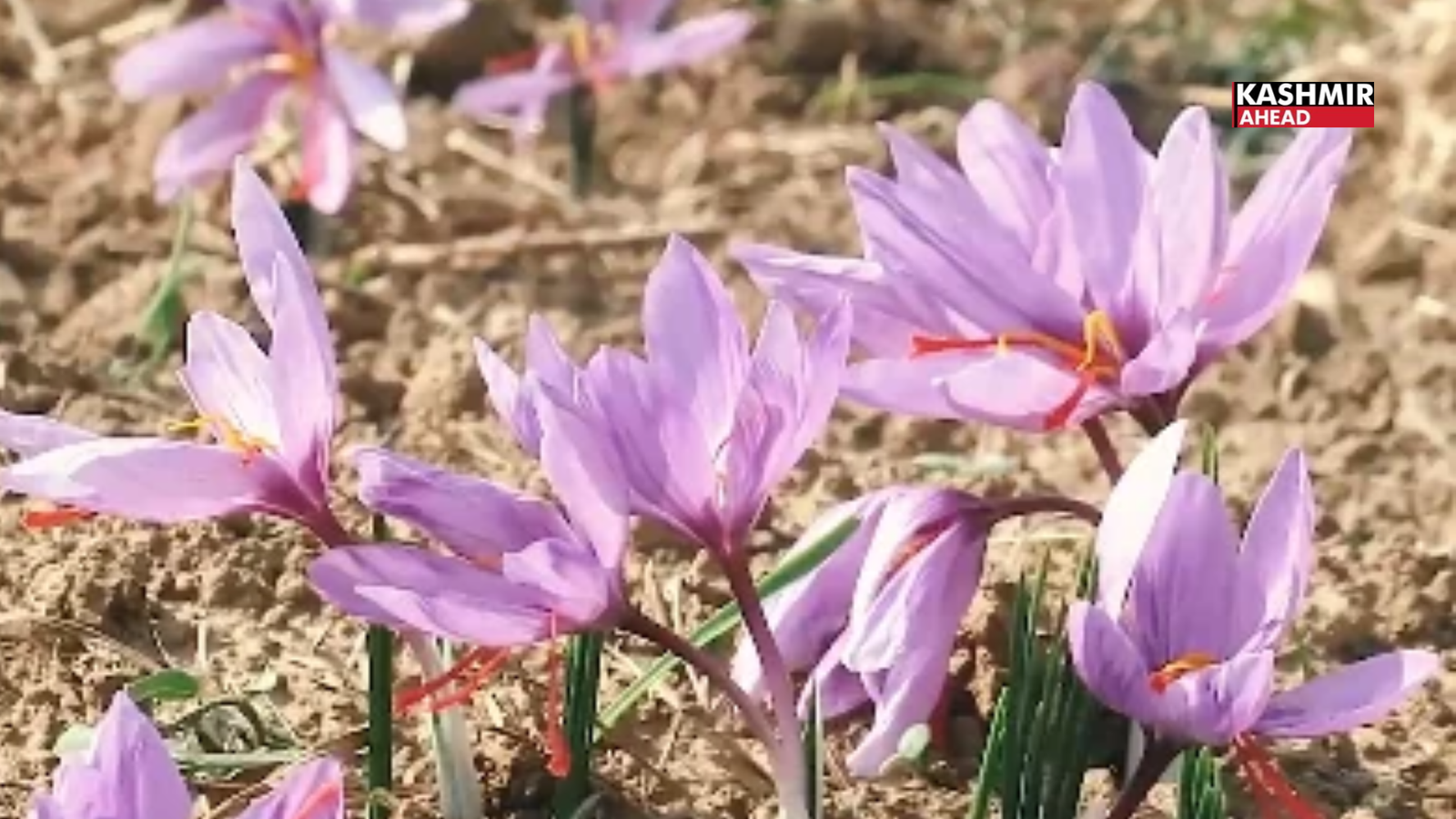
Srinagar, November 2,2026-Kashmir’s picturesque saffron fields have once again transformed into a spectacular sea of purple as the annual harvesting season begins across Pampore, popularly known as the Saffron Bowl of Kashmir. The blooming saffron flowers are adding colour to the landscape while bringing renewed enthusiasm and hope to farmers associated with the region’s centuries-old saffron cultivation tradition.
As farmers begin picking the delicate purple flowers during the short harvesting window, the fields are witnessing renewed activity. Early mornings see growers carefully collecting the flowers, which are later processed to extract the precious red stigmas that make Kashmir saffron one of the most sought-after spices in the world.
Known locally as Kong Posh, saffron holds a special place in Kashmir’s cultural, agricultural and economic identity. Its distinctive aroma, rich colour and unique flavour have earned it recognition in domestic and international markets. For generations, families in Pampore and adjoining areas have depended on saffron cultivation, preserving traditional farming practices while passing their knowledge from one generation to the next.
This year’s harvest has brought encouraging news for the region’s saffron growers. Officials at the Indian International Kashmir Saffron Trading Centre (IIKSTC) have indicated that saffron production has improved compared to the previous year, offering optimism to farmers and stakeholders associated with the industry.
The improvement is being viewed as an encouraging development for an agricultural sector that has faced several challenges in recent years. Farmers, however, continue to express concerns over declining production and reduced crop yields, underlining the importance of sustained support, better farming practices and the adoption of improved cultivation techniques.
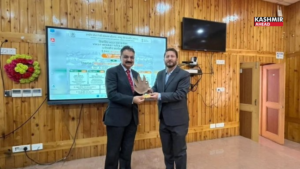
Against this backdrop, the Indian International Kashmir Saffron Trading Centre has urged farmers to make full use of the facilities, technical assistance and benefits available through the institute. The initiative aims to encourage scientific methods of cultivation, improve the quality of saffron and help growers enhance productivity.
The institute plays an important role in strengthening the saffron sector by providing support aimed at improving cultivation standards, quality assurance and marketing opportunities. Greater awareness among farmers about the available facilities can help them make informed decisions and adopt practices that contribute to better crop management.
One of the significant milestones for Kashmir saffron has been its Geographical Indication (GI) recognition, which highlights the unique identity and geographical origin of the region’s prized spice. This recognition has helped strengthen the identity of Kashmir saffron and its association with the region’s traditional agricultural heritage.
The saffron industry also represents an important source of livelihood for farming families, particularly in Pampore and neighbouring villages. Beyond its economic value, the cultivation of saffron is deeply connected with the region’s traditions, seasonal rhythms and rural way of life.
For local farmers, the harvesting season is not merely an agricultural activity but an annual celebration of their hard work and connection with the land. Each flower collected from the fields represents months of anticipation and the collective efforts of farming families who continue to preserve this valuable tradition.
With the harvest now underway and officials reporting an improvement over last year, there is renewed optimism about the future of saffron cultivation in Kashmir. Strengthening institutional support, encouraging farmers to adopt improved agricultural practices and expanding awareness about available facilities could further contribute to the growth of the sector.
The beautiful purple blooms across Pampore are a reminder of Kashmir’s rich natural and agricultural wealth. As farmers continue harvesting the delicate flowers, the season brings with it a message of resilience, renewed hope and the enduring spirit of Kashmir’s farming community.
With continued efforts to protect and promote this precious crop, Kashmir’s Purple Gold has the potential to shine even brighter in national and international markets, preserving a legacy that has been part of the Valley’s identity for generations.