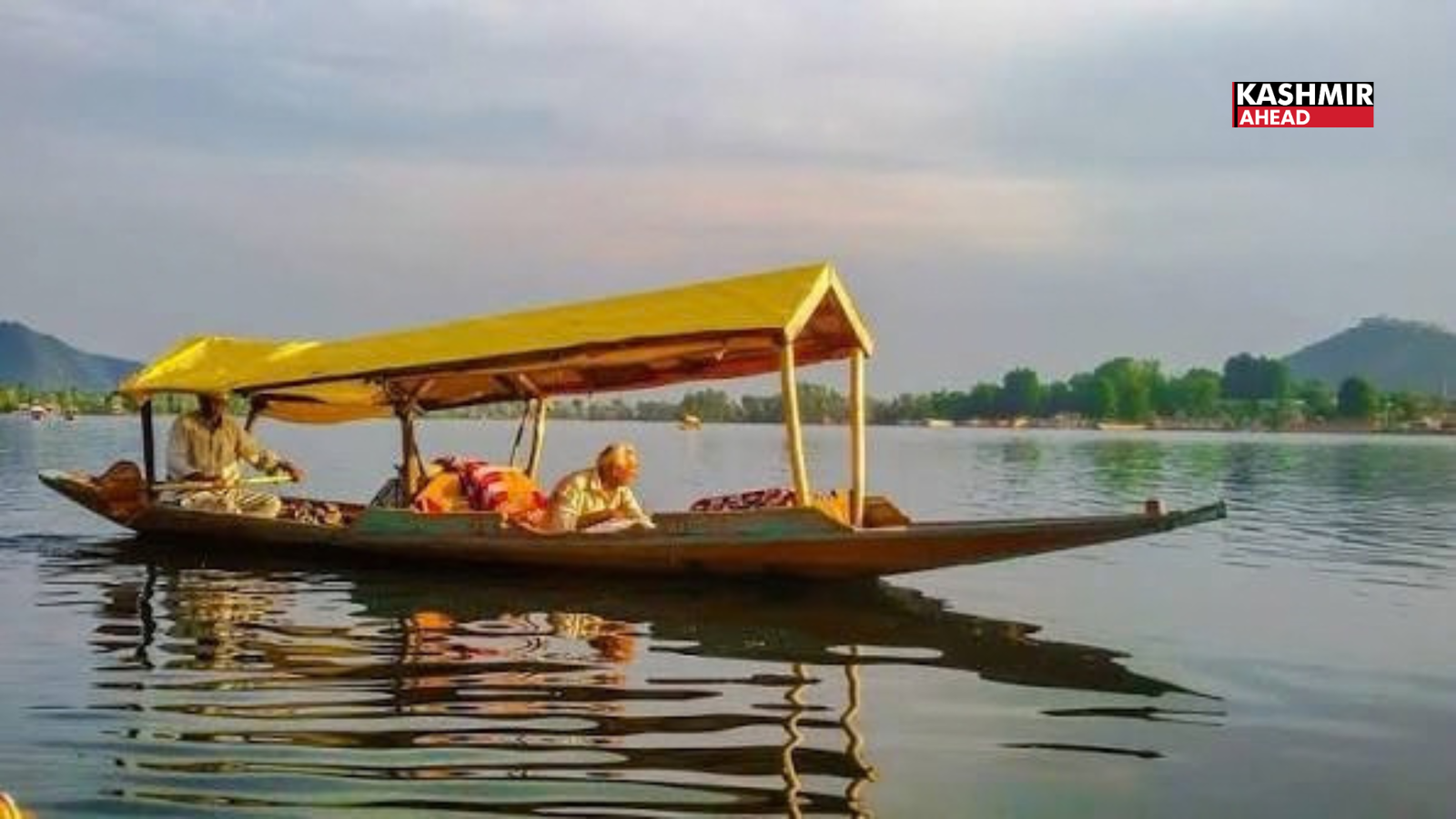
Kashmir, September 27,2026-Kashmir is steadily reshaping its tourism identity, moving beyond the familiar images of shikaras on Dal Lake and the seasonal charm of Gulmarg and Pahalgam. Adventure tourism — encompassing trekking, skiing, rafting, paragliding, mountain biking, camping and rock climbing — is emerging as one of the most promising avenues for expanding the Valley’s tourism economy.
A Landscape Built for Adventure
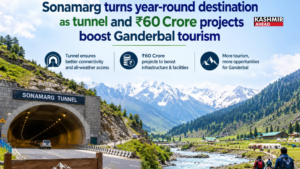
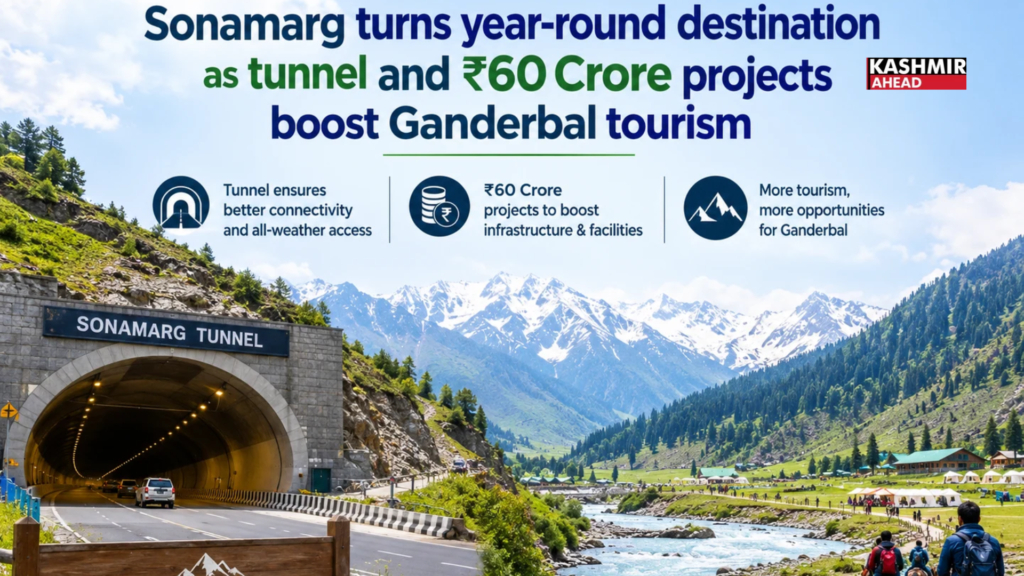
Kashmir’s geography gives it a natural advantage in this space. High-altitude lakes, alpine meadows, dramatic valleys, fast-flowing rivers and dense forests, all packed within a relatively compact region, create conditions suited for adventure activities across every season. Established hubs like Gulmarg, Pahalgam and Sonamarg already draw skiing, rafting and paragliding enthusiasts, but attention is increasingly turning to lesser-known destinations capable of hosting the next wave of adventure tourism.
Offbeat Destinations Taking Centre Stage
Locations such as Gurez, Bangus, Doodhpathri, Aharbal and Lolab are being highlighted for their potential to support carefully planned adventure circuits. Gurez, with its rugged terrain along the Kishanganga river, and Bangus Valley’s vast alpine meadows offer strong prospects for trekking and camping. Doodhpathri, often called the “valley of milk,” and Aharbal, known for its waterfall, provide scope for nature-based and moderate adventure tourism. Lolab Valley, tucked away in Kupwara district, rounds out this circuit with its untouched forests and quiet hamlets.
Together, these destinations are seen as capable of supporting year-round tourism rather than the short, concentrated seasons that have traditionally defined Kashmir’s travel calendar.
https://youtu.be/AoGH_3i1kmE?si=tnKjDM5F9-a0YXz_
Spreading the Benefits
One of the strongest arguments for adventure tourism is its potential to distribute economic benefits more evenly. Conventional tourism remains concentrated around Srinagar, Gulmarg and Pahalgam, placing pressure on these areas while leaving many rural and border regions without a meaningful share of tourism revenue. Adventure tourism, by encouraging travellers to move beyond crowded centres, opens a pathway for these lesser-visited areas to participate directly in the tourism economy.
This shift also creates room for local livelihoods. Youth from nearby villages can be trained as trekking guides, ski instructors, outdoor educators and equipment operators, while local communities can offer homestays, transport and traditional food services — keeping a larger share of tourism revenue within the region itself.
Building the Right Foundations
Realising this potential, however, depends on more than scenic appeal alone. Trekking routes need proper assessment of difficulty, weather risk and emergency access. Registered operators, certified guides trained in first aid and rescue procedures, and reliable communication and medical support systems are essential to keep adventure tourism safe as it scales up.
Environmental safeguards are equally important. Fragile alpine ecosystems can be quickly damaged by unregulated tourism, unmanaged waste and unsuitable construction. Sustainable practices — including waste management at campsites, limits on construction in ecologically sensitive zones, and locally rooted architecture for new accommodation — will be key to protecting the very landscapes that attract visitors in the first place.
A Year-Round Opportunity
If developed thoughtfully, Kashmir’s adventure tourism sector could support activity across all four seasons — winter sports in Gulmarg, summer trekking in the high meadows, autumn trails, and spring birdwatching — reducing the region’s dependence on a narrow tourist season.
As destinations like Gurez, Bangus, Doodhpathri, Aharbal and Lolab draw growing interest, they represent not just new attractions on a map, but a broader opportunity to diversify Kashmir’s tourism economy, generate rural employment and showcase the Valley’s natural beauty to a wider audience — provided growth is matched with safety, planning and genuine local participation.