Srinagar, November 12,2026-Kashmir, renowned for its rich cultural heritage and exquisite handicrafts, is witnessing a creative transformation of its centuries-old Namda craft. Srinagar-based artisan Naseema is bringing a fresh perspective to this traditional art by blending wool with silk to create unique stoles, combining timeless craftsmanship with contemporary fashion while keeping Kashmir’s cultural heritage alive.
Her innovative approach highlights how traditional handicrafts can evolve with changing consumer preferences without losing their original identity. By transforming a craft traditionally associated with floor coverings into wearable fashion accessories, Naseema is exploring new possibilities for Kashmir’s artisanal heritage.
A centuries-old tradition
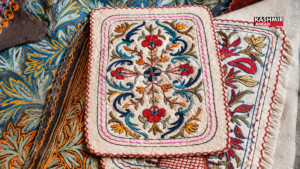
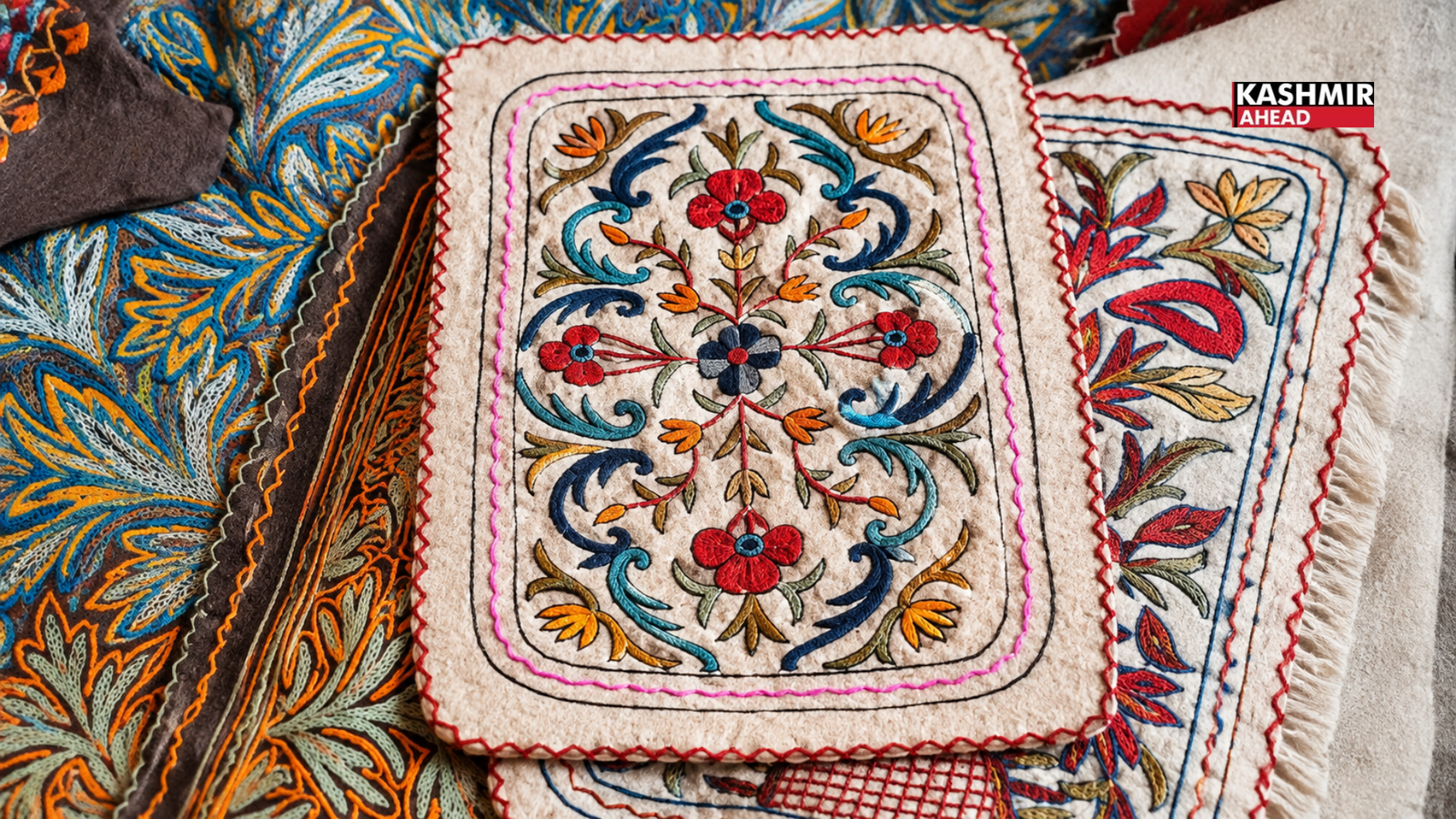
Namda is one of Kashmir’s distinctive handicrafts, traditionally made using sheep wool through a specialised felting process rather than conventional weaving. For generations, Kashmiri artisans have created beautiful Namda rugs, carpets and decorative items featuring intricate embroidery, floral motifs and colourful patterns.
The craft involves carefully arranging wool fibres, applying water and soap, and compressing the material until the fibres bind together. Traditional Namdas are often embellished with handcrafted embroidery, reflecting Kashmir’s artistic traditions and natural beauty.
Beyond its decorative appeal, Namda has historically provided warmth and comfort to households during the Valley’s harsh winters. It has also supported the livelihoods of artisans and their families.
Blending tradition with modern fashion
Naseema’s approach introduces a contemporary dimension to this traditional craft. By combining wool with silk, she creates distinctive stoles that bring together the warmth and texture of wool with the elegance and softness of silk.
The transformation of traditional felting into fashionable accessories demonstrates the versatility of Namda craftsmanship. Such innovations can appeal to younger generations and consumers seeking handmade products that offer individuality and cultural significance.
These creations represent more than fashion accessories. They carry the essence of Kashmir’s artistic heritage while demonstrating how traditional skills can adapt to modern lifestyles.
Empowering women through craftsmanship
Women have long played an important role in preserving Kashmir’s handicraft traditions. From embroidery and shawl making to textile production, their craftsmanship contributes significantly to the region’s cultural identity and local economy.
Naseema’s creative initiative highlights the potential of women artisans to become entrepreneurs, develop innovative products and explore new market opportunities.
With access to appropriate training, financial assistance and marketing platforms, women engaged in traditional crafts can strengthen their economic independence while contributing to the preservation of indigenous knowledge.
Reviving Kashmir’s Namda industry
Despite its historical significance, the Namda industry has faced challenges, including declining demand, competition from machine-made products, limited marketing opportunities and difficulties in sourcing raw materials.
To support its revival, the Ministry of Skill Development and Entrepreneurship launched a special Namda training project under the Pradhan Mantri Kaushal Vikas Yojana, targeting 2,250 beneficiaries across 30 craft clusters in six districts of Kashmir.
Design innovation, skill development and improved market access can help artisans expand their product ranges and attract customers beyond conventional markets.
Contemporary products such as stoles, scarves and fashion accessories offer opportunities to introduce traditional felting techniques to new audiences.
Taking Kashmiri heritage to new markets
The growing interest in handcrafted fashion and culturally distinctive products presents opportunities for Kashmiri artisans. Digital platforms, exhibitions and craft fairs can help connect artisans directly with customers across India and international markets.
Combining traditional techniques with contemporary designs can strengthen the commercial potential of Kashmir’s handicrafts while encouraging younger artisans to continue these valuable traditions.
Naseema’s work reflects the importance of creativity and adaptability in preserving cultural heritage. Her wool-and-silk stoles demonstrate that traditional craftsmanship need not remain confined to its historical applications.
As Kashmir continues to celebrate its artistic legacy, initiatives like these highlight a promising future for its handicraft industry. By bringing together tradition, innovation and entrepreneurship, artisans can ensure that Kashmir’s centuries-old Namda craft remains relevant, cherished and accessible for generations to come.