Kashmir, September 19,2026-Somewhere between a milk pail and a fishing net lies one of Jammu and Kashmir’s most underappreciated growth stories. For three years running, the region’s livestock and fisheries sectors have posted steady gains — milk, mutton, wool, and fish production all trending upward. No single headline moment drove this; instead, it’s the sum of countless small, repeated decisions made in villages across the Union Territory: a farmer buying one more milch animal, a herder holding onto his flock through a harsh winter, a young entrepreneur setting up a trout-rearing tank by a mountain stream.
Milk: The Everyday Economy
Of the four commodities, milk production has grown the most visibly. That’s unsurprising — dairy farming in Jammu and Kashmir isn’t a specialized enterprise reserved for a few large operators; it’s woven into the fabric of ordinary rural life. A household with even one or two milch animals can generate a small but dependable daily income, and it’s this dependability that makes dairy such a resilient sector. As more families lean into it, whether through cooperative dairy societies or informal local sales, the cumulative production numbers climb — not because of any single breakthrough, but because thousands of small producers keep showing up every morning.
Sheep and Goats: An Old Economy That Refuses to Fade
Mutton and wool tell a story about continuity. In the hills and border belts of Jammu and Kashmir, sheep and goat rearing has survived generations of change — economic, political, and environmental — largely because it fits the terrain and the seasonal rhythms of pastoral communities like the Gujjars and Bakarwals. The consistent rise in both mutton and wool output suggests this way of life isn’t being pushed aside by modernization; if anything, it’s finding new footing, perhaps aided by improved veterinary support, better market linkages, or simply larger flocks passed down and expanded across generations.
Fish Farming: Turning Geography Into Opportunity
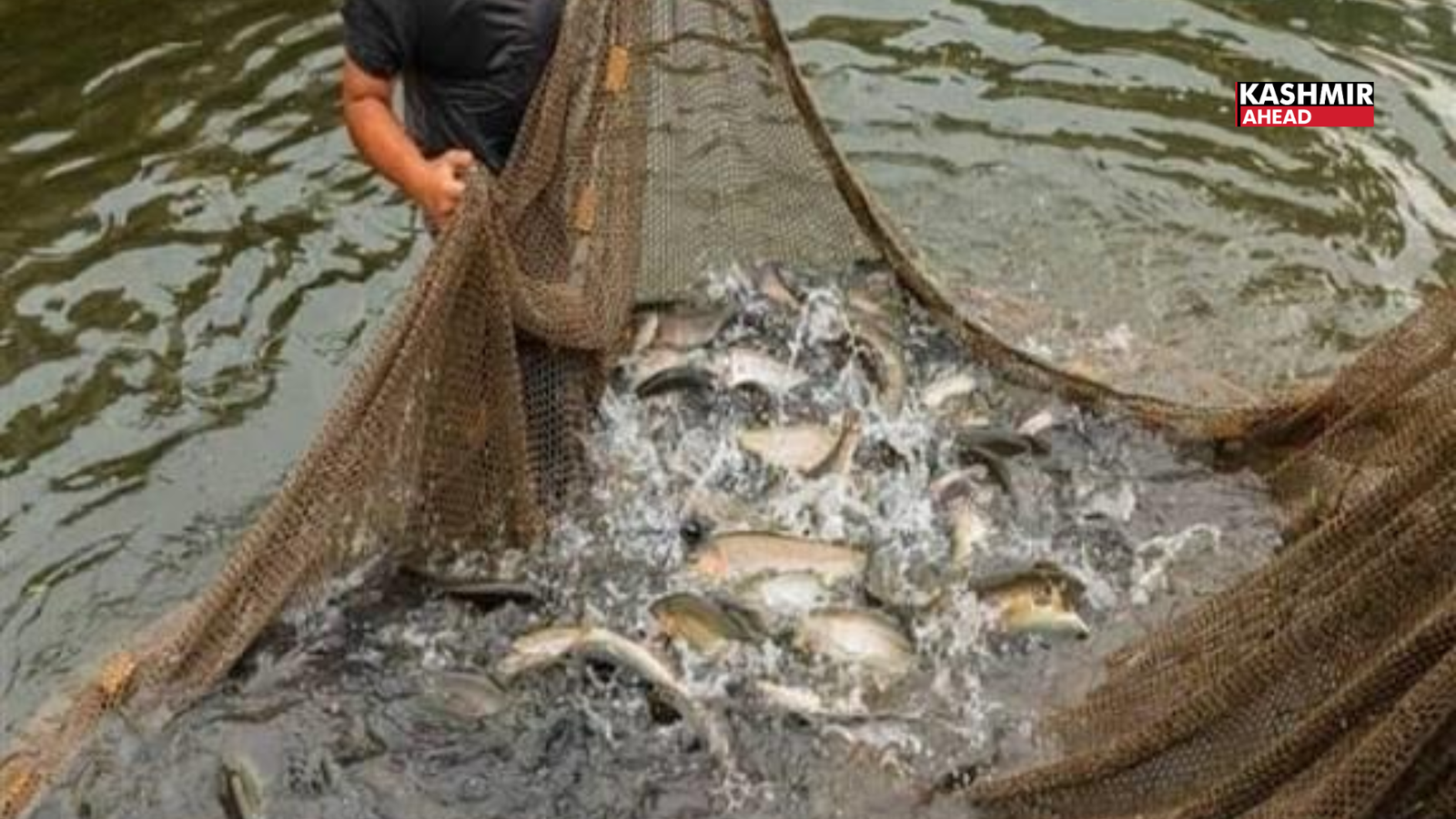
Fisheries might be the most interesting piece of this puzzle, precisely because it represents a newer kind of rural entrepreneurship. Jammu and Kashmir’s cold streams and spring-fed waters were, for a long time, an underused resource. That’s changed with the rise of trout and carp farming, often carried out through small private rearing units rather than large commercial operations. The steady growth in fish production reflects a broader trend of rural residents converting a natural feature of their landscape — cold, clean water — into a genuine livelihood option, often with support from targeted aquaculture development schemes.
Why This Growth Deserves More Attention
It would be easy to file these figures away as routine agricultural statistics, but they deserve a closer look. Unlike sectors driven by large-scale investment or urban demand, livestock and fisheries growth in Jammu and Kashmir is fundamentally decentralized — it happens village by village, household by household. That makes the three-year upward trend particularly meaningful: it isn’t the result of one policy or one good season, but of sustained, distributed effort across the rural economy.
For policymakers, this points to a clear opportunity. Investments that make daily life easier for these small producers — better cold storage for milk and fish, veterinary care for livestock, market access for wool — are likely to have an outsized impact precisely because so many households depend on these sectors simultaneously.
Jammu and Kashmir’s economic narrative often centers on tourism seasons and infrastructure milestones. But the real, durable growth may be happening more quietly — in the barns, pastures, and fish ponds that dot its villages, where three years of steady progress in milk, mutton, wool, and fish are adding up to something genuinely significant for rural livelihoods across the region.