Jammu, October 6, 2026- Northern Railway’s Jammu Division is stepping up its shift towards clean energy by expanding solar power generation across its stations and premises. The division is adding 18 new solar plants with a combined capacity of 808 kilowatt peak (KWp), which will take its total installed solar capacity to 2,553 KWp, or about 2.55 megawatts (MW).
Building on existing capacity
The division already has 1,745 KWp of solar capacity installed at five major locations, including Shri Mata Vaishno Devi Katra Station, one of the busiest stations in the region because of the steady flow of pilgrims. The new plants will add to this base and extend solar power to more railway premises.
Together, the existing and new capacity will bring the division’s total to 2,553 KWp. The expansion is meant to raise the share of renewable energy used to run stations, offices and other railway facilities.
Clean energy, savings and self-reliance
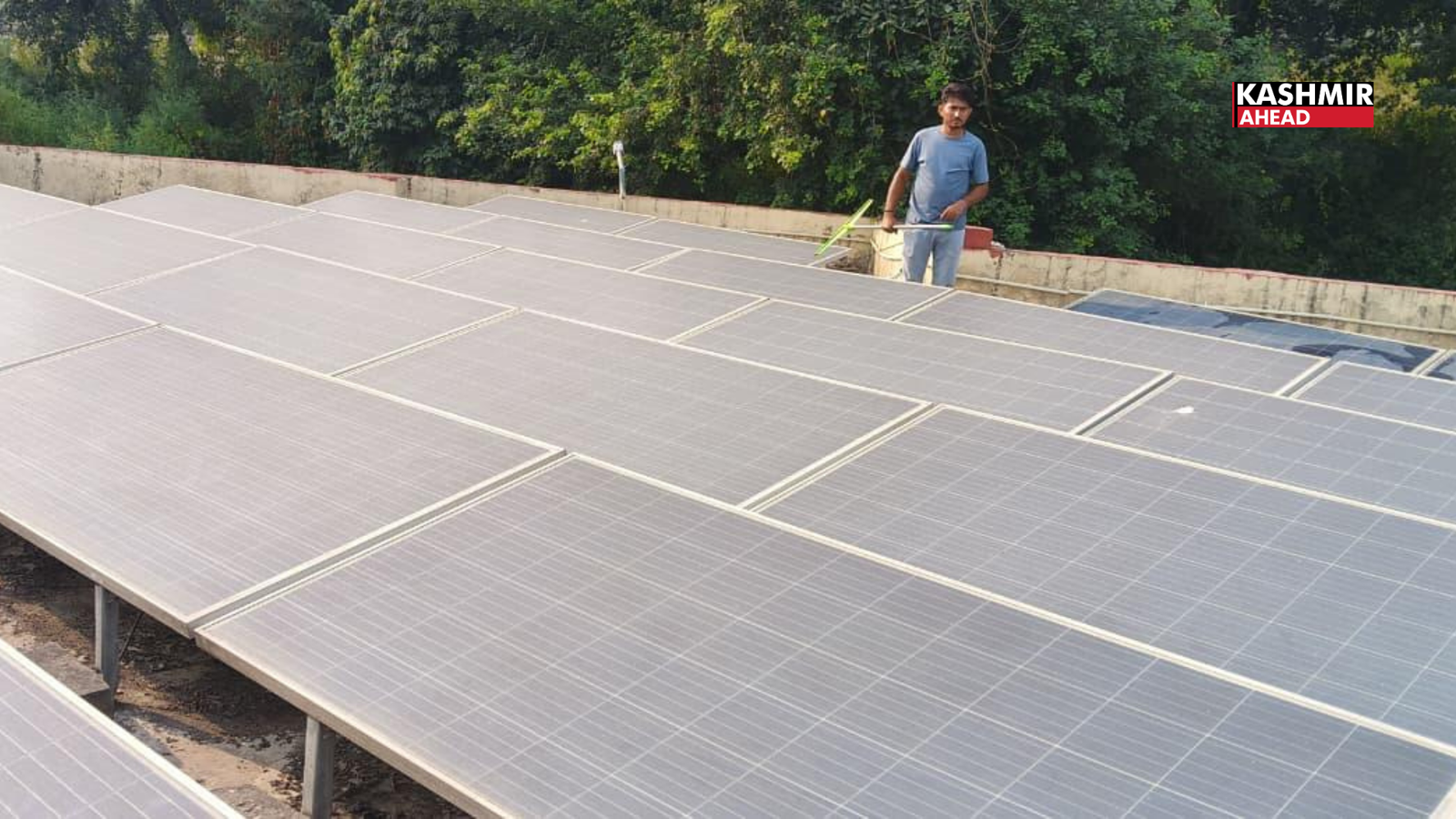
Railway officials say the expansion supports three goals: promoting clean energy, reducing electricity costs and moving towards greater self-reliance in power. Solar plants installed on station buildings, rooftops and other railway land generate electricity at the point of use. This reduces dependence on power drawn from the grid and can lower the electricity bills of railway establishments over time.
Solar generation also cuts carbon emissions compared with conventional power sources, which fits the railways’ wider push to reduce their environmental footprint. Indian Railways has set itself ambitious sustainability goals in recent years, and decentralised solar plants are a practical way to move towards them, since they can be set up on existing railway infrastructure without needing large amounts of new land.
Why stations are suited to solar power
Railway stations, workshops, offices and colonies have large roof areas and steady daytime electricity demand for lighting, fans, air conditioning, signalling support systems, passenger amenities and station services. Matching solar generation with these daytime loads makes the investment efficient. At pilgrim-heavy locations such as Katra, where passenger numbers and power needs are high, solar power can play a visible role in meeting daily requirements.
Spreading the 18 new plants across several premises also means the benefits reach more locations in the division rather than being concentrated at a few sites.
Part of a larger push
The expansion reflects a broader move across the Indian Railways network towards renewable energy, in line with the national focus on solar power and energy security. By generating a growing share of its own electricity, the Jammu Division aims to build a more stable and sustainable power supply for its operations.
Officials say continuing to add solar capacity will help the division manage costs, reduce its carbon footprint and set an example for other units. Regular maintenance, including periodic cleaning of panels, helps the plants keep generating at their best.
Looking ahead
With the new plants, the division’s solar portfolio will grow by roughly 46 per cent over its current level. Officials describe the expansion as a step towards cleaner, cheaper and more reliable power for railway operations in the region.
As work on the new plants progresses, the division is expected to keep identifying more suitable premises for solar installations, further strengthening its clean energy profile.