Srinagar, September 16,2026–For most, the grass and weeds growing in a lake may be something to be cleared away. But for Srinagar-based artisan Simran, they have become raw material for her craft. Flower vases, wall hangings, and other decorative pieces — all made from grass dredged out of Dal Lake.
From Waste to Craft
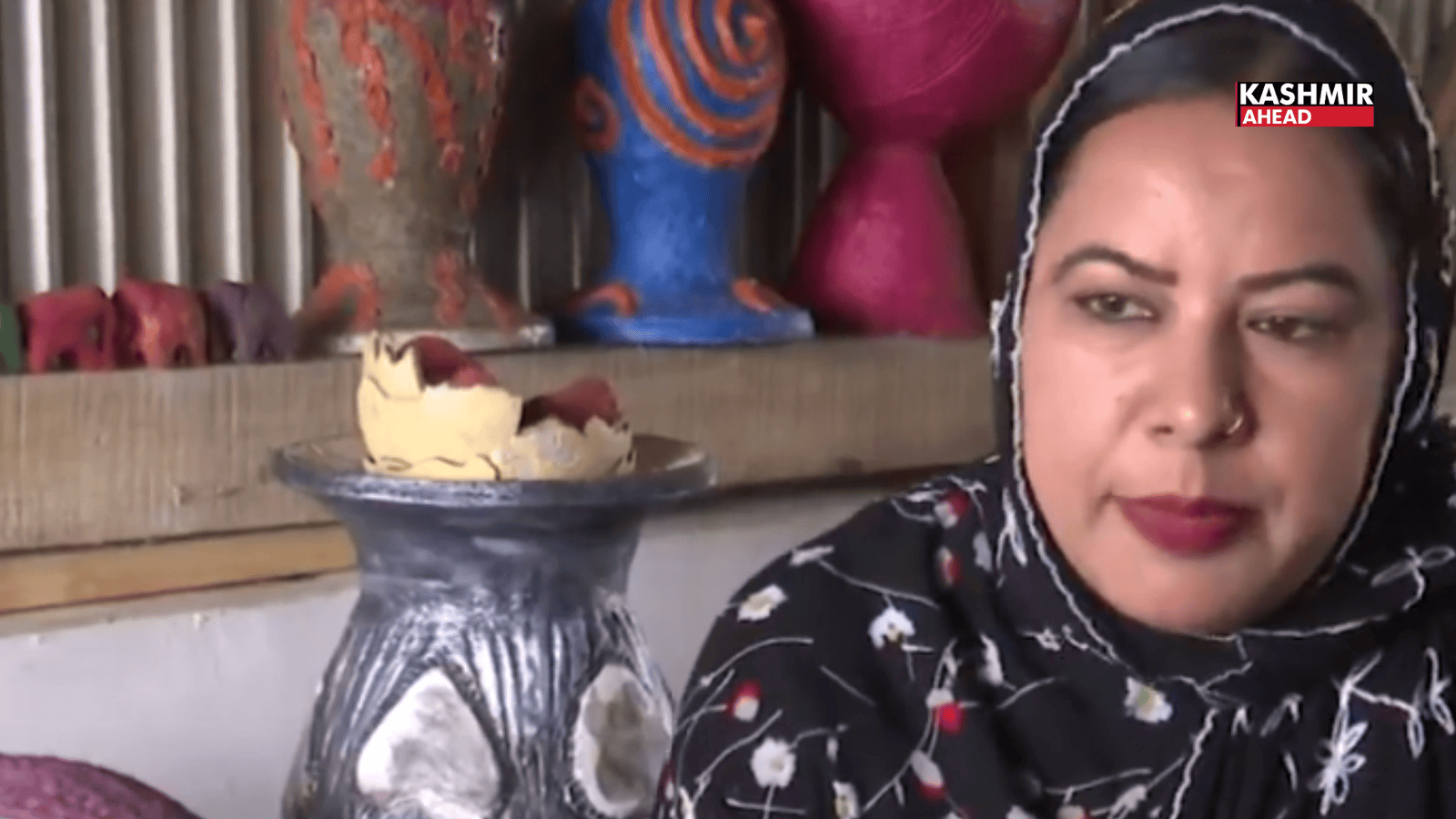
Simran Irshad, a 35-year-old artisan from Nowshera Zoonimar in Srinagar, has developed a technique she calls “Grass Mache,” using dried weeds and grasses, including vegetation collected from Dal Lake, to create sustainable home decor. She turns the material into a fibrous pulp, mixes it with recycled paper, and shapes it into durable, stone-like pieces.
Rooted in Kashmir’s centuries-old papier-mâché tradition known as Sakhtsazi, Simran’s innovation gives the craft an eco-friendly twist. With around five years of experience in traditional paper mache, she spent nearly two years experimenting with the new technique before perfecting a process that combines dried aquatic plants with recycled paper pulp.
A Craft Born from Necessity
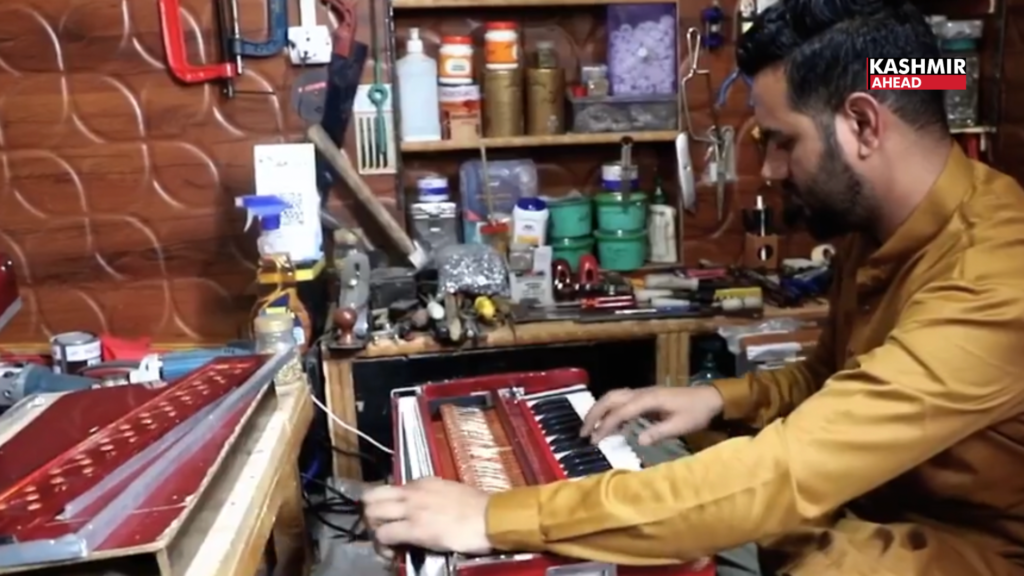
Simran began experimenting with lake weeds after the rising cost of paper made traditional papier-mâché increasingly expensive. Rowing through Dal Lake to collect weeds by hand, she brings the vegetation back to her workshop, where she sorts and grinds it into pulp, presses it around moulds, and leaves the pieces to dry before smoothing and decorating the finished products.
The process is far from simple. Over nearly two years, Simran tested various combinations of dried lake vegetation, recycled paper pulp, and binding agents, with several attempts failing before she developed a material strong enough to be shaped into a finished, lasting product.
Turning Waste into Purpose
Dal Lake has long struggled with heavy growth of aquatic weeds, which authorities regularly remove to keep its waterways clear. For Simran, putting this discarded vegetation to use is also a way of highlighting the need to keep the lake and other water bodies clean.
“My craft relies entirely on grass gathered from the lake,” Simran said. “I hope it helps preserve the lake’s cleanliness and beauty, promotes tourism, and allows my craft to reach a wider audience.”
Diverse Range of Products
Using the Grass Mache technique, Simran produces a range of decorative and utility items, including flower vases, wall hangings, ornaments, and other home decor pieces, while also experimenting with potential applications such as fireproof switchboards and panelling.
Opening Doors for Women Artisans
Beyond its environmental angle, Simran’s work has also opened doors for women in a craft that has traditionally had more male artisans. She has been teaching local women the Grass Mache technique free of cost, with the hope that they can later use the skill to earn a livelihood of their own.
Bringing Tradition and Innovation Together
Reflecting on her work, Simran has spoken of her belief that Kashmiri craftsmanship need not choose between preserving tradition and embracing innovation. “Tradition should not stop us from experimenting,” she has said. “If we can protect the craft and at the same time make use of waste, that is something worth pursuing.”
Her experiment continues to evolve, but its significance extends well beyond a single flower vase — offering a glimpse of how one of Kashmir’s oldest crafts might help address a distinctly modern environmental challenge, turning unwanted vegetation from the Valley’s most iconic lake into lasting, meaningful art.