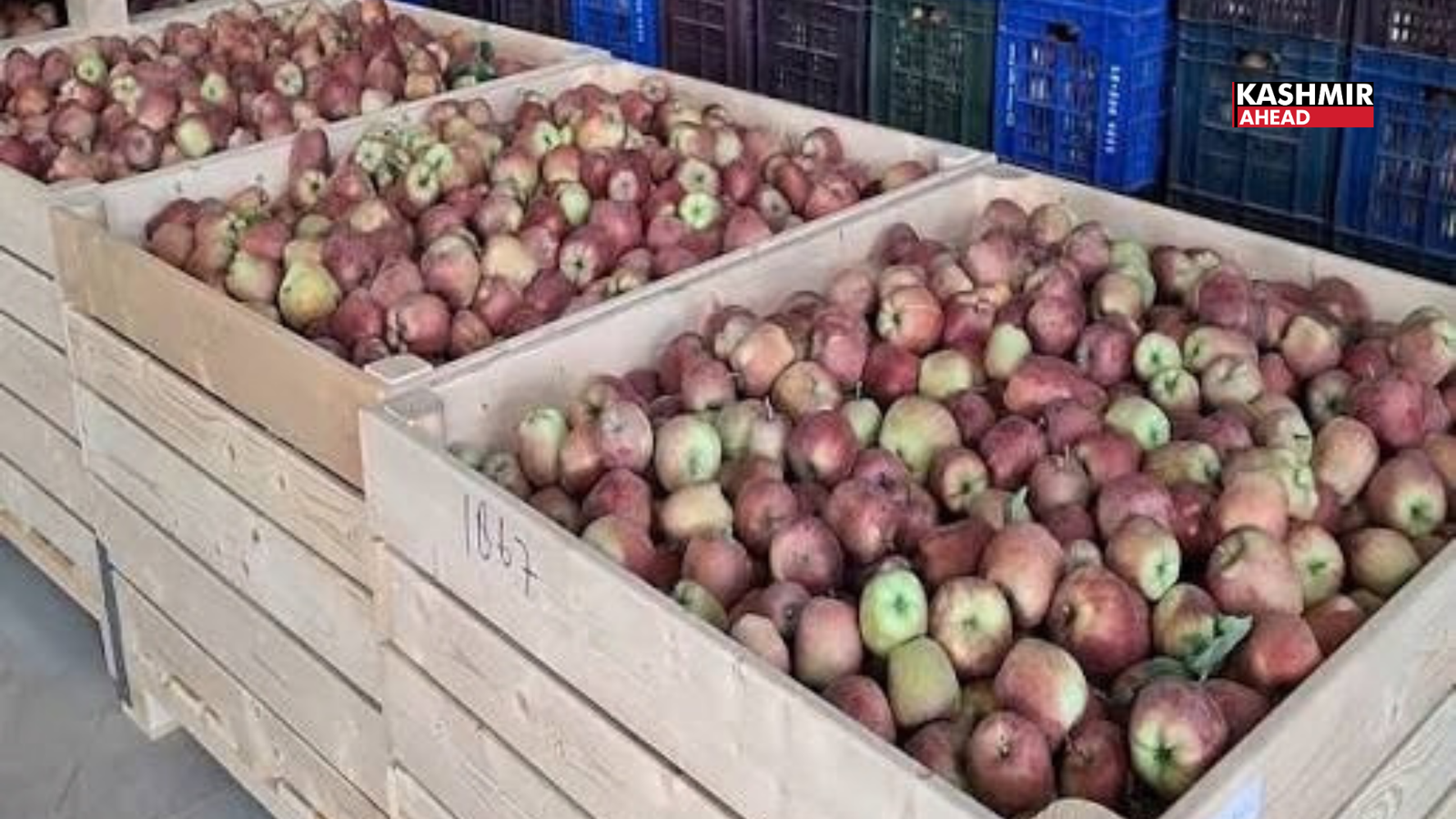
Kashmir, October 2,2026-Around 120 cold storage facilities are now operational across Jammu & Kashmir, offering apple growers a vital means of preserving their produce, curbing post-harvest losses and avoiding distress sales. With the harvest season well under way, farmers are increasingly turning to these facilities to hold back quality fruit and wait for more favourable market conditions.
Apples are the backbone of the Union Territory’s horticulture economy, supporting lakhs of families in the Kashmir Valley and contributing significantly to regional livelihoods. Yet the sector has long been vulnerable to a structural problem: the bulk of the crop ripens and is harvested within a narrow window of a few weeks. When large volumes arrive in the market simultaneously, prices tend to soften, leaving growers with little bargaining power. Perishability compounds the difficulty, as fruit that cannot be sold or transported quickly begins to deteriorate, forcing many producers to accept whatever price is offered.
Cold storage addresses this problem directly. By maintaining controlled temperature and humidity, modern facilities slow the ripening process and keep apples fresh for several months. Growers can therefore stagger their sales, releasing stock into the market gradually rather than all at once. This not only improves price realisation but also reduces the wastage that typically results from handling, transport delays and spoilage. For small and marginal farmers in particular, the ability to store even modest quantities can make a meaningful difference to annual income.
The expansion of storage capacity has also been accompanied by improvements in technology. Controlled atmosphere facilities, which regulate oxygen and carbon dioxide levels in addition to temperature, allow high-value varieties to retain firmness, colour and flavour for longer periods. Such quality retention is increasingly important as consumers and retailers in major urban markets demand fruit that meets stricter standards of appearance and taste. Growers who supply premium produce stand to benefit most from these advances.
Government agencies and private entrepreneurs have both played a role in building this infrastructure. Policy support, including subsidies and credit linkages under horticulture and agricultural infrastructure schemes, has encouraged investment in new units and the upgrading of older ones. Many facilities are located in key apple-producing belts such as Sopore, Shopian, Pulwama and Baramulla, placing them close to orchards and reducing the distance fruit must travel after harvest.
Despite the progress, challenges remain. Industry stakeholders point to the need for greater capacity in some areas, more affordable storage charges for small growers and reliable power supply, since uninterrupted electricity is essential to the functioning of cold chains. Connectivity is another concern. Road disruptions during the peak season can delay the movement of stored fruit to markets, undermining the very advantage that storage is meant to provide. Strengthening transport links and improving logistics would therefore complement the investment already made in storage.
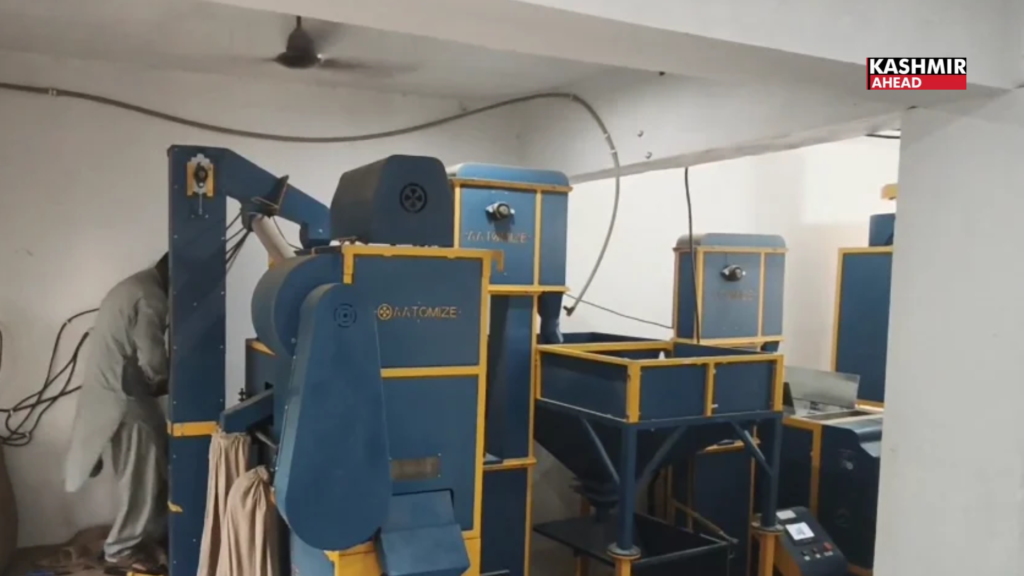
Agricultural experts also stress the importance of proper pre-storage handling. Fruit must be harvested at the right maturity, carefully graded and cooled promptly to ensure it performs well in storage. Training and awareness programmes can help growers adopt these practices, thereby maximising the benefits of the facilities available to them.
As the harvest progresses, the growing reliance on cold storage reflects a broader shift in the way Kashmir’s apple industry operates, moving from a reactive, season-bound model towards one that is more planned and market-oriented. If capacity continues to expand and supporting infrastructure keeps pace, cold storage could play an increasingly central role in stabilising incomes, reducing losses and strengthening the competitiveness of Jammu & Kashmir’s apples in national and international markets.