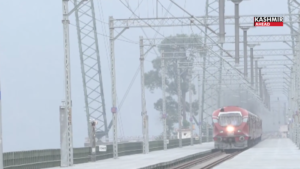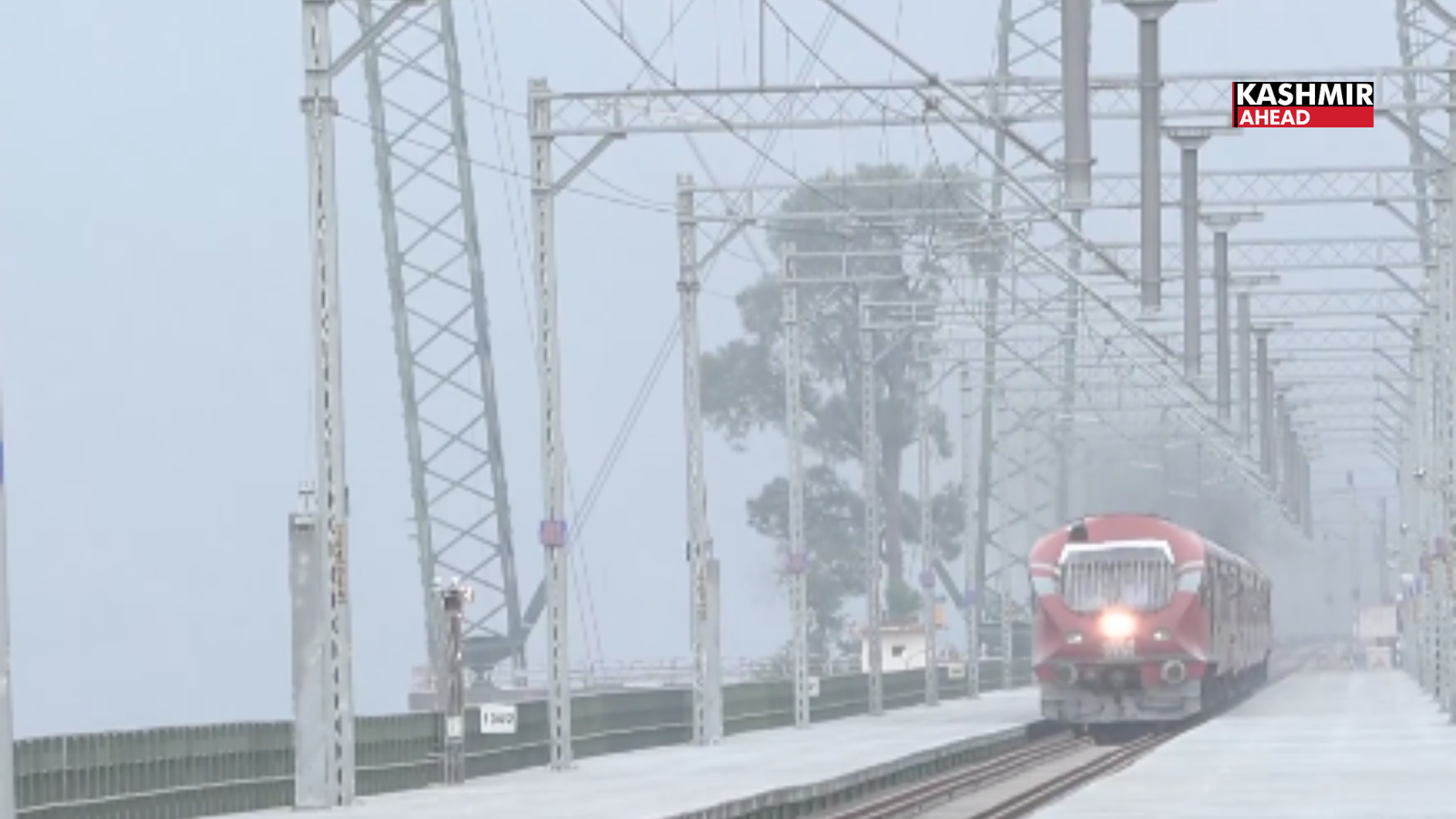
Reasi, October 12,2026-The Chenab Rail Bridge and the Anji Khad Bridge are strengthening all-weather rail connectivity to Kashmir, providing uninterrupted integration of the Valley with the rest of the country. Located in the Reasi district of Jammu and Kashmir, the two bridges stand as engineering landmarks on the 272-km Udhampur–Srinagar–Baramulla Rail Link (USBRL), one of the most challenging railway projects undertaken in India.
The rail link has connected the Kashmir Valley to the national railway network, ending a long period of dependence on a single road corridor that was often disrupted by snowfall, landslides and adverse weather. With trains now operating through the rugged Himalayan terrain, the Valley has gained a dependable, safe and economical mode of transport throughout the year.
Boost for Kashmir’s Farmers and Artisans
The new connectivity is set to benefit growers, traders and artisans across the Valley. Apples, cherries, dry fruits, handicrafts and other products from Kashmir can now access markets across India more quickly and with less risk of spoilage or transit delays. For horticulture, which is a mainstay of the local economy, faster and more reliable transport can mean better prices and reduced losses, particularly during the peak harvest season when timely delivery is critical.
Handicraft artisans, including those producing carpets, shawls and papier-mâché items, also stand to gain from improved market access and lower logistics costs.
Essential Goods Reach the Valley Efficiently
The movement of goods is not one-directional. Cement, automobiles, foodgrains, salt, fertilisers, milk and other essential and industrial goods can now move into the Valley more efficiently. This is expected to help stabilise supplies and prices, especially during winter months when road closures have historically affected the availability of essential commodities.
Rail freight is also considered more cost-effective and environmentally friendly than road transport over long distances, offering an added advantage for industries and consumers in the region.
The Chenab Rail Bridge: A Marvel of Engineering
The Chenab Rail Bridge is the world’s highest railway arch bridge, rising about 359 metres above the riverbed, which makes it taller than the Eiffel Tower. Spanning the deep Chenab gorge, it was designed to withstand high wind speeds, extreme temperatures and seismic activity. Its steel arch has become a symbol of India’s engineering capability and determination to overcome difficult geography.
The Anji Khad Bridge: India’s First Cable-Stayed Rail Bridge
The Anji Khad Bridge is India’s first cable-stayed railway bridge. Supported by a single pylon and a network of cables, it crosses the Anji river in a challenging mountainous stretch. Along with the Chenab bridge, it forms a critical link in the chain of tunnels, viaducts and bridges that make up the USBRL.
Tourism and Economic Growth
Beyond trade, the rail link is expected to give a significant push to tourism. Travellers can now reach Kashmir by train in comfort, enjoying scenic journeys through mountains, tunnels and river gorges. Easier access is likely to increase tourist arrivals, benefiting hotels, houseboats, transporters, shopkeepers and local guides. The bridges themselves have also emerged as attractions, drawing visitors keen to witness these engineering feats.
Integration and Development
Officials and experts say the all-weather rail link marks a major step towards the social and economic integration of Jammu and Kashmir with the rest of India. By reducing travel time, lowering transport costs and ensuring year-round access, the project is expected to generate employment, attract investment and open new opportunities for local businesses.
For residents of the Valley, the railway is more than a transport network. It represents reliable connectivity during harsh winters, easier access to healthcare and education, and a stronger link with the rest of the country.
As rail services expand, the Chenab and Anji Khad bridges stand as enduring symbols of resilience and progress, bridging not only deep gorges but also distances between the Valley and the nation.