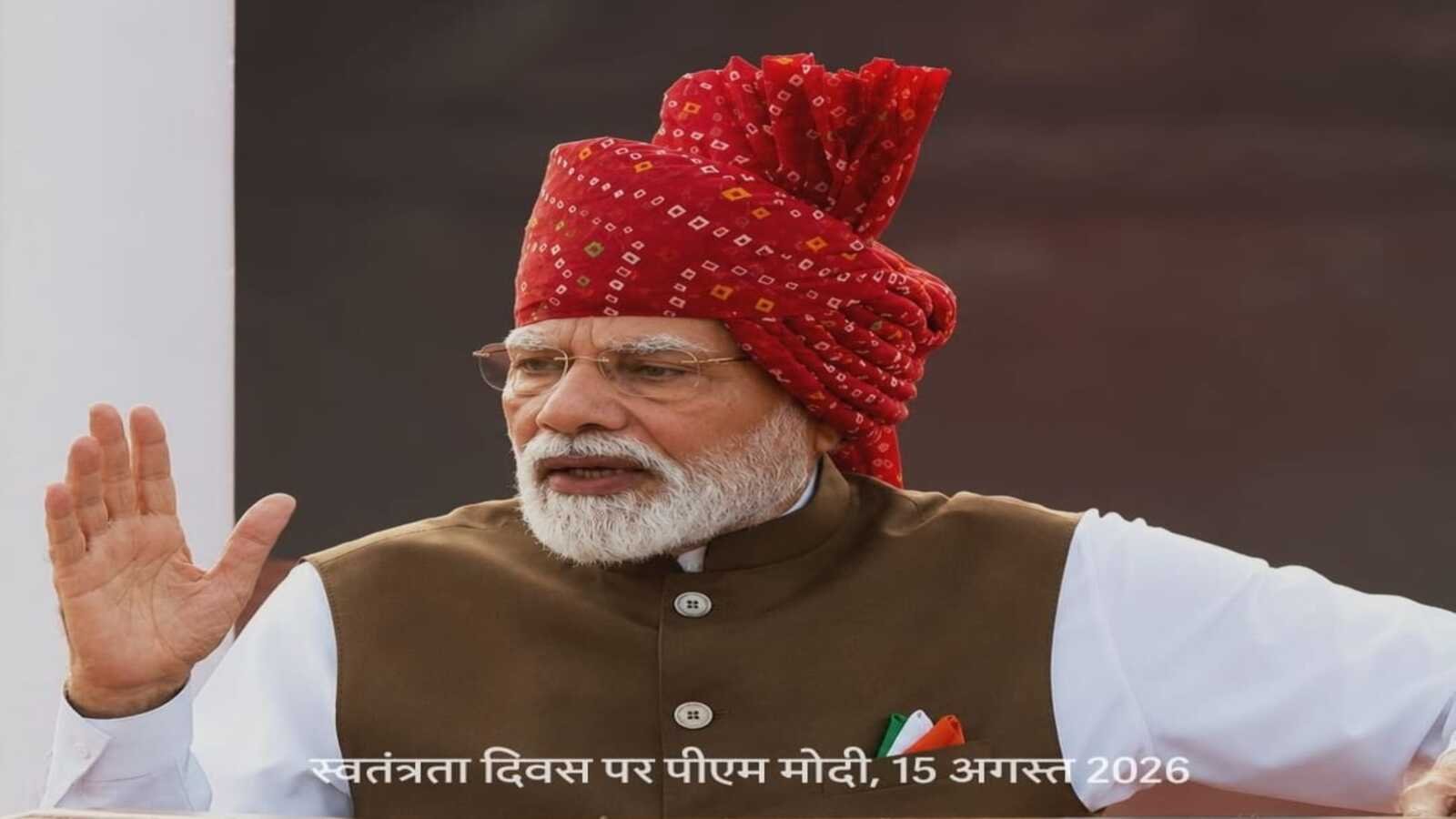
Kashmir, August 15,2026-Viksit Bharat 2047 is being shaped through investments in India’s youth, technological self-reliance, energy security and societal resilience. Prime Minister Narendra Modi’s Independence Day address from the Red Fort on 15 August 2026 outlined a series of announcements aimed at strengthening the foundations of a developed India. From artificial intelligence and education to sports, semiconductor manufacturing and nuclear energy, these initiatives reflect the broader Viksit Bharat vision of transforming India into a developed nation by 2047.
The most significant investment is in human capital. The mission to skill one crore young Indians in artificial intelligence within the next twelve months recognises that the next phase of economic growth will increasingly depend on the ability to create, adapt and deploy intelligent technologies. AI skills in India can become a major driver of employment, innovation and productivity in the coming years.
India already has a large young population and a strong digital ecosystem. Providing millions of young people with foundational and applied AI skills can convert this demographic advantage into productive advantage. For Viksit Bharat 2047, developing a future-ready workforce will be essential to ensuring that Indian talent remains competitive in a rapidly changing global economy.
Over the next decade, an AI-trained talent pool could support domestic industries, startups, research institutions and global technology companies. It could also help reduce the risk of skill obsolescence and strengthen India’s technological self-reliance. This makes investment in youth skills one of the most important foundations of Viksit Bharat 2047.
Another important announcement is the provision of free online coaching for various competitive examinations by leveraging digital public infrastructure and India’s teaching talent. Competitive examinations can impose a significant financial burden on families, particularly those who cannot afford expensive coaching programmes.
By providing wider access to quality preparation, the initiative could allow more students to compete on merit rather than financial resources. Increased access to education can support social mobility, reduce regional disparities and create a broader talent pipeline for public service and specialised professions.
For Viksit Bharat 2047, equal access to opportunity is as important as economic growth. A stronger and more inclusive education ecosystem can help ensure that talent from smaller cities, towns and rural areas also contributes to India 2047.
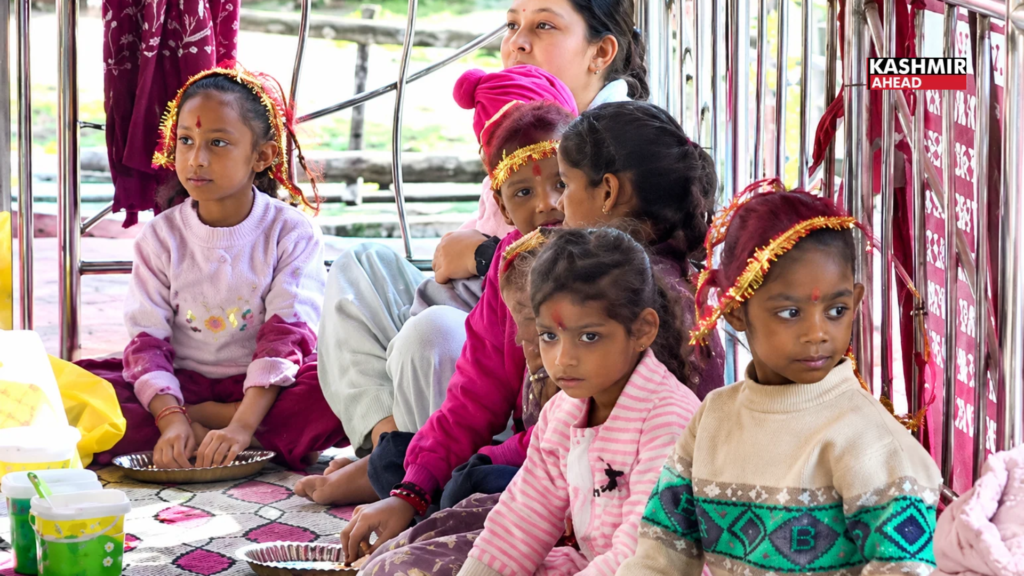
The nationwide sports talent hunt targeting children between five and fifteen years is another foundational initiative. By reaching villages as well as cities, the programme aims to identify sporting talent beyond traditional centres of athletic development.
India has produced world-class athletes, but the base of competitive sport can be expanded considerably. Systematic identification and nurturing of talent from an early age can create clearer pathways to sporting excellence.
The benefits of youth development in India extend beyond medals. Greater participation in sports can encourage healthy lifestyles, strengthen community connections and improve India’s international sporting profile. Developing the physical and competitive capabilities of young Indians is therefore another important component of the Viksit Bharat vision.
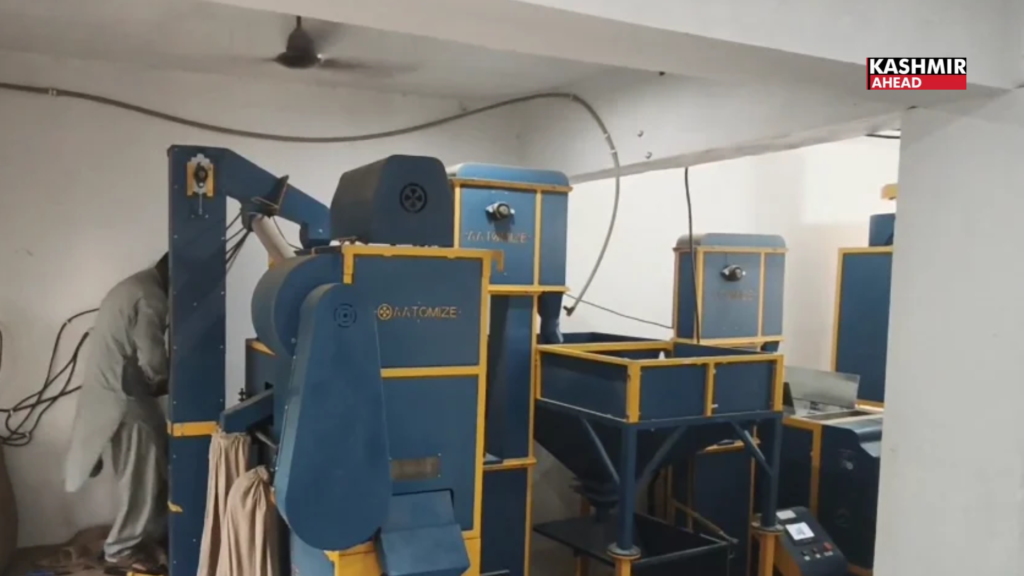
On the strategic front, the announcements concerning semiconductors reinforce India’s objective of achieving greater technological self-reliance. The operationalisation of seven to eight new semiconductor production plants within one to two years could accelerate the development of semiconductor manufacturing in India.
Semiconductors are at the heart of modern industries, defence systems, digital infrastructure, automobiles and emerging technologies. Expanding domestic semiconductor capacity can reduce vulnerabilities created by global supply-chain disruptions while creating high-skill employment and attracting investment into the electronics ecosystem.
A stronger semiconductor industry would therefore contribute directly to Viksit Bharat 2047 by improving manufacturing capabilities, strengthening technological independence and positioning India as an important player in the global technology supply chain.
Energy security is equally important to the development of India 2047. The target of achieving 100 GW of nuclear capacity by 2047, along with the expected operationalisation of five new reactors over the next six to seven years, addresses the need for reliable and diversified energy supplies.
Nuclear energy in India can provide dependable, low-carbon electricity to support industrial expansion and urbanisation. As electricity demand rises alongside manufacturing and infrastructure development, reliable power will become increasingly important to maintaining economic competitiveness.
Achieving significant scale in nuclear energy could strengthen manufacturing, support long-term energy security and contribute to India’s climate objectives. For Viksit Bharat 2047, a diversified energy mix will be an important foundation for sustained economic growth.
The modernisation of civil defence training and capabilities also reflects the changing nature of national resilience. Contemporary challenges can include natural disasters, technological disruptions and complex emergency situations. Strengthening preparedness and developing modern volunteer capabilities can improve society’s ability to respond effectively during crises.
Over the long term, greater preparedness can reduce the human and economic costs of emergencies while encouraging a stronger sense of shared responsibility. National resilience is therefore another important but sometimes overlooked component of building a developed India.
Taken together, these announcements create a broad framework for Viksit Bharat 2047. They address several foundations of national development simultaneously: human capital, education, sports, artificial intelligence, semiconductor manufacturing, nuclear energy, technological self-reliance and civil defence.
The long-term impact will not be measured only by the number of certificates issued, athletes identified, semiconductor plants commissioned or nuclear reactors constructed. The deeper impact will come from the gradual accumulation of national capabilities.
A generation equipped with AI skills in India, a wider pool of competitive talent, stronger semiconductor manufacturing in India, greater energy security, and improved national resilience can collectively transform the country’s economic and strategic position.
Execution will ultimately determine the success of these initiatives. Effective implementation, accessibility, quality of training, infrastructure development and sustained investment will be critical. However, the direction is significant. By connecting present-day programmes with the 2047 horizon, the government is reinforcing the long-term Viksit Bharat vision.
The journey towards Viksit Bharat 2047 will not depend on a single programme or announcement. It will be built through continuous improvements in education, skills, technology, infrastructure, energy, sports and resilience.
The real promise of Viksit Bharat 2047 lies in this cumulative transformation—turning today’s investments into the capabilities that will define India 2047 and establish India as a stronger, more self-reliant and developed nation.