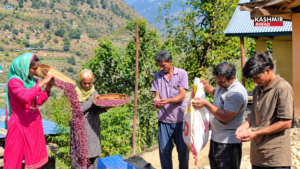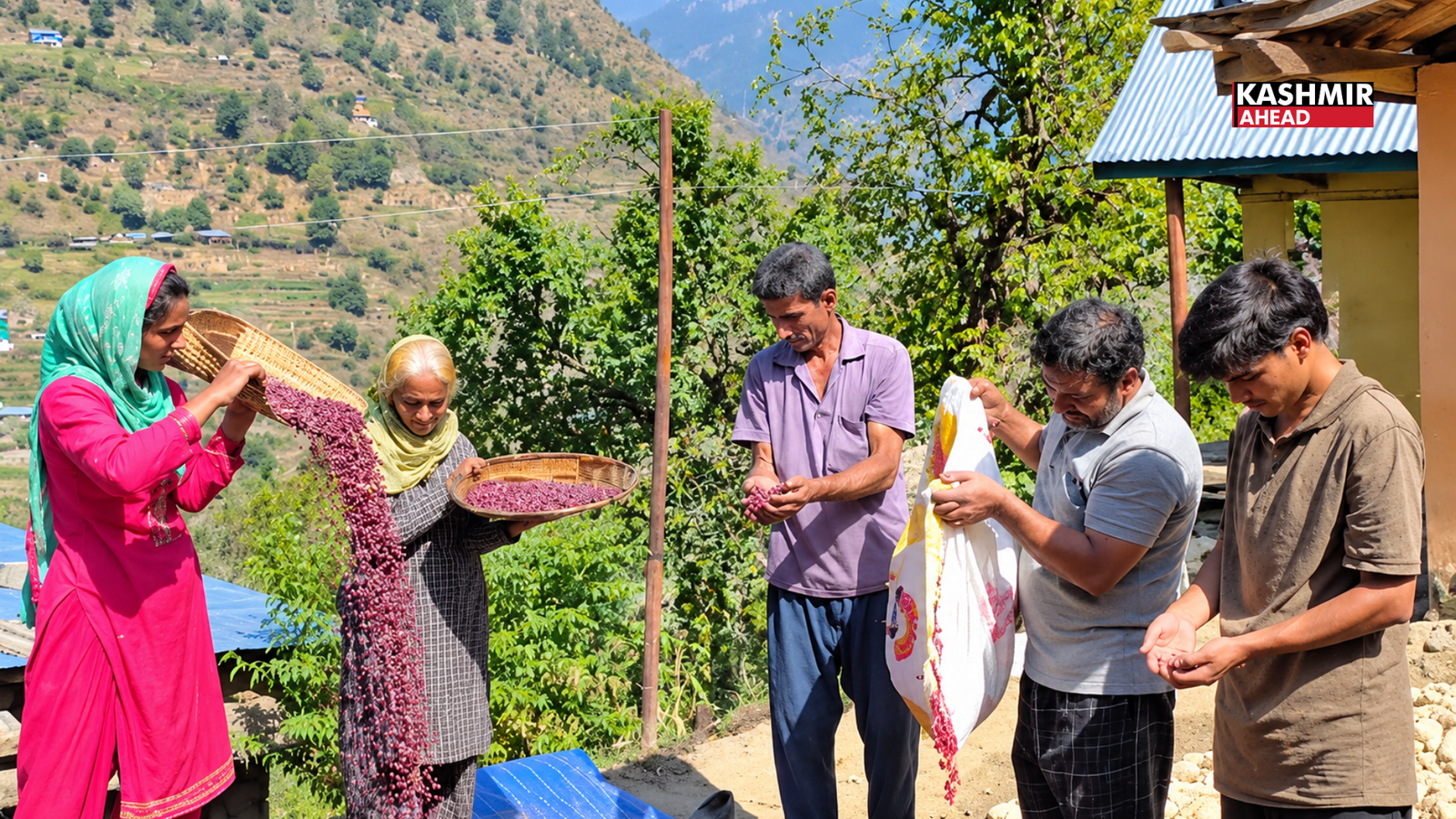
Doda, October 6,2026- In the hills of Doda district, the seasonal picking of the GI-tagged Bhaderwah Rajmash has begun. After three difficult years, farmers are cautiously optimistic that this season will bring the bumper crop they have been waiting for.
A Welcome Turnaround
The premium kidney beans, grown in the cool uplands around Bhaderwah, have been a source of pride and income for hill farmers for generations. But the last three years were hard. Unfavourable weather cut yields sharply, leaving many growers with smaller harvests and thinner earnings from a crop they depend on.
This year, farmers say the fields look healthier. Agriculture officials who have been monitoring the standing crop share that confidence, and the picking phase is now getting under way across the rajmash-growing belt.
Seed Support at 6,100 Feet
The most visible effort to support the crop has come from the Agriculture Department. At Khono village in Baghla-Bharat tehsil, about 6,100 feet above sea level, the department distributed 100 kg of pure Bhaderwah Rajmash seed to local farmers under the Holistic Agriculture Development Programme (HADP).
Pure seed matters more than it might seem. Over the years, seed mixing and the use of non-native varieties can dilute the traits that make a crop distinctive, such as bean size, colour, texture and cooking quality. Supplying certified, authentic seed helps preserve those qualities, which are the basis of the crop’s premium reputation and its Geographical Indication status.
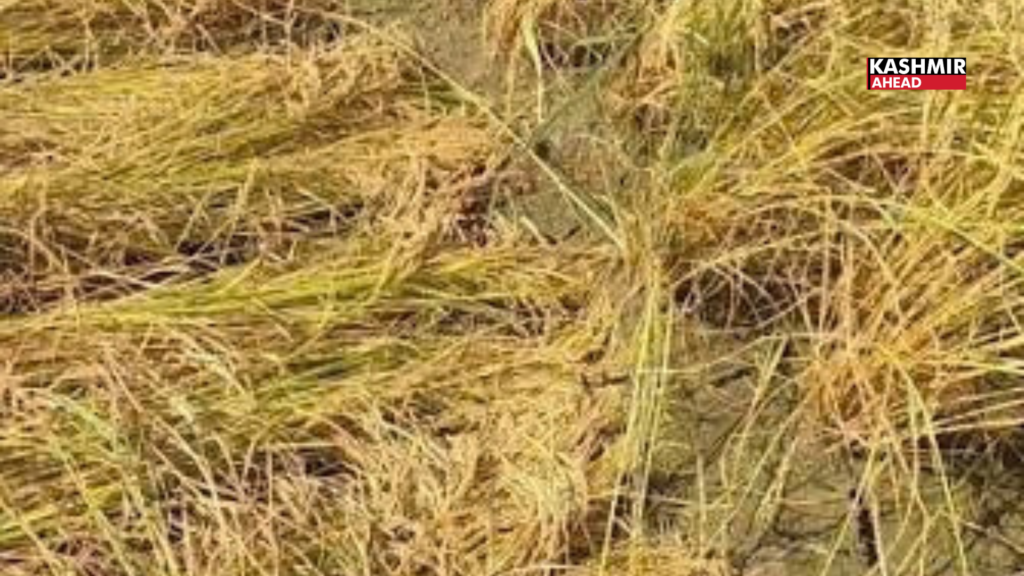
Agricultural officer Kewal Singh said the condition of the fields now points towards a bumper harvest of the premium beans. His assessment is encouraging for a farming community that has had little good news from its fields in recent seasons.
Why the GI Tag Matters
A Geographical Indication tag identifies a product as originating from a specific region and possessing qualities linked to that origin. For Bhaderwah Rajmash, it recognises the combined influence of the area’s altitude, soil, climate and traditional farming practices.
For farmers, the tag is meant to be more than a label. It can help them command better prices, protect the name from imitation, and open doors to wider markets. Lower-quality beans sold under a famous name have long been a concern for growers of regional specialities, and GI protection is one way to guard against that.
The Weather Question
Hill agriculture is especially exposed to the weather. Rajmash in Doda is largely rain-fed and grown at altitude, so untimely rain, dry spells or temperature swings during sowing, flowering or pod formation can quickly hurt output. The three lean years show how vulnerable the crop is to such shifts.
A good season is therefore not just a relief but a chance for farmers to recover losses, repay debts and invest again in the next sowing. Many families in these villages rely on rajmash as a major cash crop, so the size of the harvest shapes the household economy well beyond the fields.
Looking Ahead
If the expected bumper yield materialises, attention will turn to getting the produce to market at fair prices. Proper grading, packaging and branding of authentic Bhaderwah Rajmash can help ensure that farmers, rather than middlemen, capture more of the value. Continued supply of pure seed, along with training in good cultivation practices, will be equally important in sustaining quality year after year.
For now, the mood in the villages is one of quiet hope. With picking under way and the fields looking promising, farmers in Doda are hoping that this season marks the end of a rough patch and the start of a stronger run for one of Jammu and Kashmir’s most prized agricultural products.