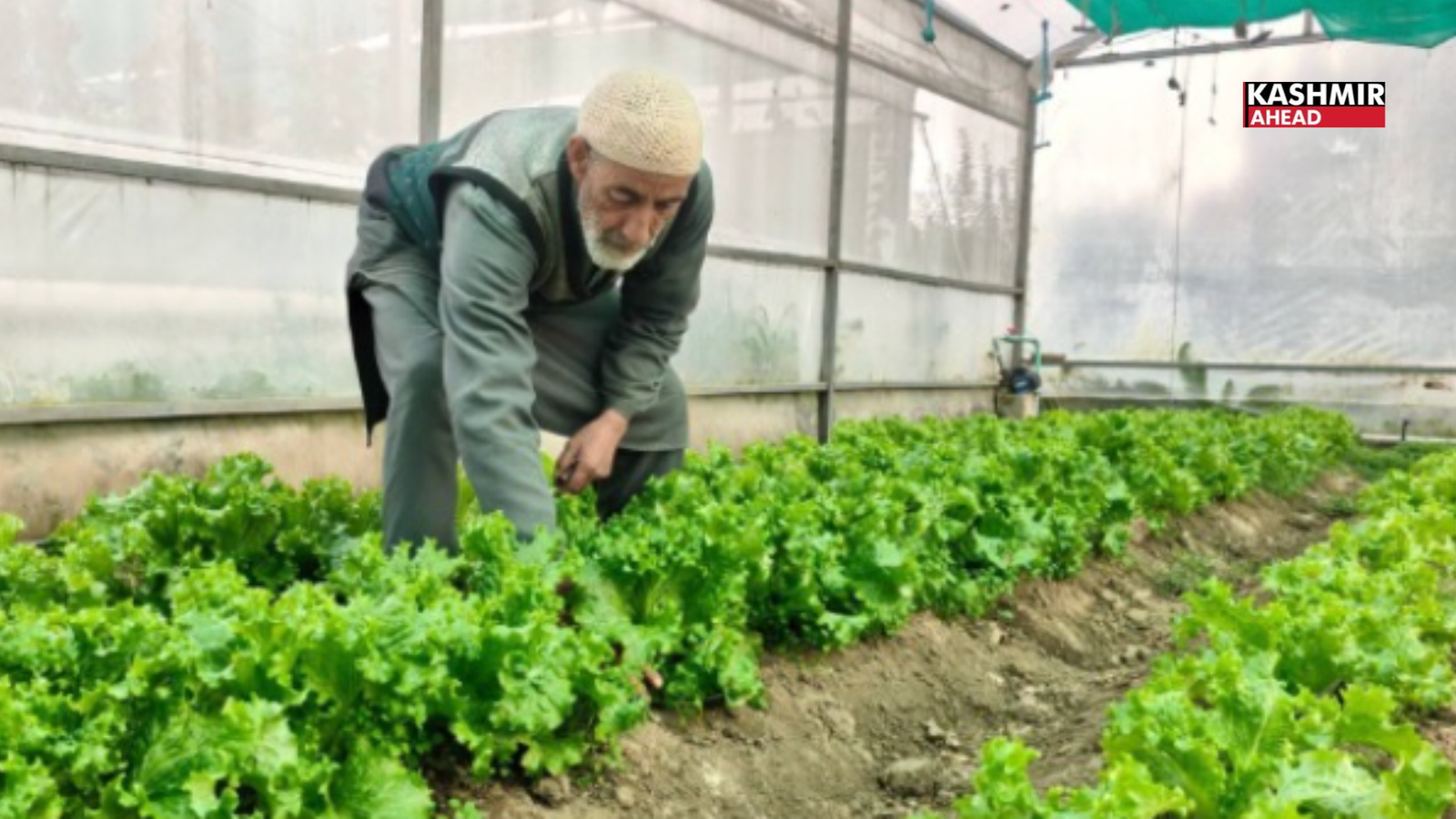
The initiative brings together 29 farmers with a shared objective of improving agricultural practices, preserving fresh produce and strengthening the economic condition of farming families. By combining renewable energy with modern storage infrastructure, the facility aims to provide farmers with better opportunities to manage their produce and access markets.
Solar-Powered Cold Storage: A Step Towards Better Farming
One of the biggest challenges in vegetable cultivation is the lack of proper storage facilities. Fresh vegetables are highly perishable, and farmers often face difficulties in preserving their produce after harvesting. Without suitable storage infrastructure, they may be forced to sell their crops immediately, sometimes at lower prices, resulting in financial losses.
Farooq Ahmad’s 10-metric-tonne solar-powered mini cold storage facility seeks to address this challenge by providing a suitable storage arrangement for harvested vegetables. The use of solar energy also highlights the importance of adopting renewable energy solutions in agriculture.
With improved storage facilities, farmers can work towards reducing wastage, maintaining the quality of their produce and managing the timing of sales more effectively. This can help them make better decisions regarding market demand and prices.
Bringing 29 Farmers Together
An important feature of the initiative is the participation of 29 farmers. Their collective involvement reflects the value of cooperation and community-based agricultural development.
Small and marginal farmers often face difficulties accessing modern infrastructure individually because of the investment and operational costs involved. By bringing farmers together, the initiative aims to create shared opportunities and improve access to facilities that can support their agricultural activities.
Such collective efforts can also encourage farmers to exchange knowledge, adopt improved cultivation methods and explore better ways of marketing their produce.
The initiative demonstrates how one progressive farmer’s efforts can create opportunities for several other farming families and encourage a culture of innovation in rural areas.
Promoting Scientific Vegetable Cultivation
Alongside the cold storage facility, the initiative focuses on encouraging scientific vegetable cultivation. Modern agricultural practices, including improved crop management, appropriate harvesting techniques and better post-harvest handling, can play an important role in increasing the quality and market value of agricultural produce.
Scientific cultivation helps farmers make more efficient use of available resources while improving productivity. Access to appropriate storage infrastructure further strengthens the entire agricultural process, from cultivation and harvesting to marketing.
The adoption of such practices can help farmers move beyond traditional methods and build more sustainable agricultural businesses.
Strengthening Farmers’ Income and Market Access
The initiative has the potential to support farmers in improving their income by reducing post-harvest losses and creating better opportunities for marketing their produce.
Proper storage can give farmers greater flexibility in deciding when to sell their vegetables instead of depending entirely on immediate market conditions after harvesting. It can also help maintain produce quality and reduce the quantity of vegetables lost due to inadequate storage.
For the participating farmers, these improvements can contribute to more organised agricultural activities and better economic opportunities.
Renewable Energy and Sustainable Agriculture
The solar-powered nature of the facility adds another important dimension to the initiative. Renewable energy solutions can support agricultural infrastructure while encouraging more sustainable use of resources.
In regions where reliable and affordable energy is important for operating agricultural facilities, solar-powered systems can offer an alternative approach. Their adoption also reflects the growing relevance of clean energy in rural development.
A Model for Agricultural Transformation in Kashmir
Farooq Ahmad’s initiative in Tahab, Pulwama, highlights how innovation, cooperation and technology can contribute to agricultural development in Jammu and Kashmir.
The 10-metric-tonne solar-powered mini cold storage facility is not just an infrastructure addition; it represents an effort to address practical challenges faced by farmers and create opportunities through collective participation.
By bringing 29 farmers together and promoting scientific vegetable cultivation, the initiative offers an encouraging example of grassroots agricultural entrepreneurship.
As Jammu and Kashmir continues to explore opportunities in modern farming, horticulture and allied sectors, such farmer-led initiatives can play an important role in strengthening rural livelihoods.
The experience of Farooq Ahmad demonstrates that adopting suitable technology and working collectively can help farmers reduce losses, improve market access and work towards better incomes. It also reinforces the importance of supporting progressive farmers who are contributing to a more productive, sustainable and economically stronger agricultural sector in the region.