Srinagar, November 2,2026-Behind every exquisite Pashmina shawl lies a long tradition of craftsmanship, patience and skill. While the fine weaving of Pashmina has earned Kashmir international recognition, a lesser-known wooden tool plays an equally important role in the process. Locally known as Mukh, the small shuttle is essential to the weaving tradition, yet the art of making it is gradually disappearing.
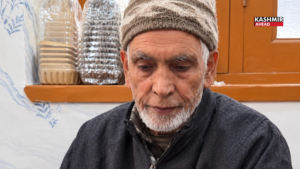
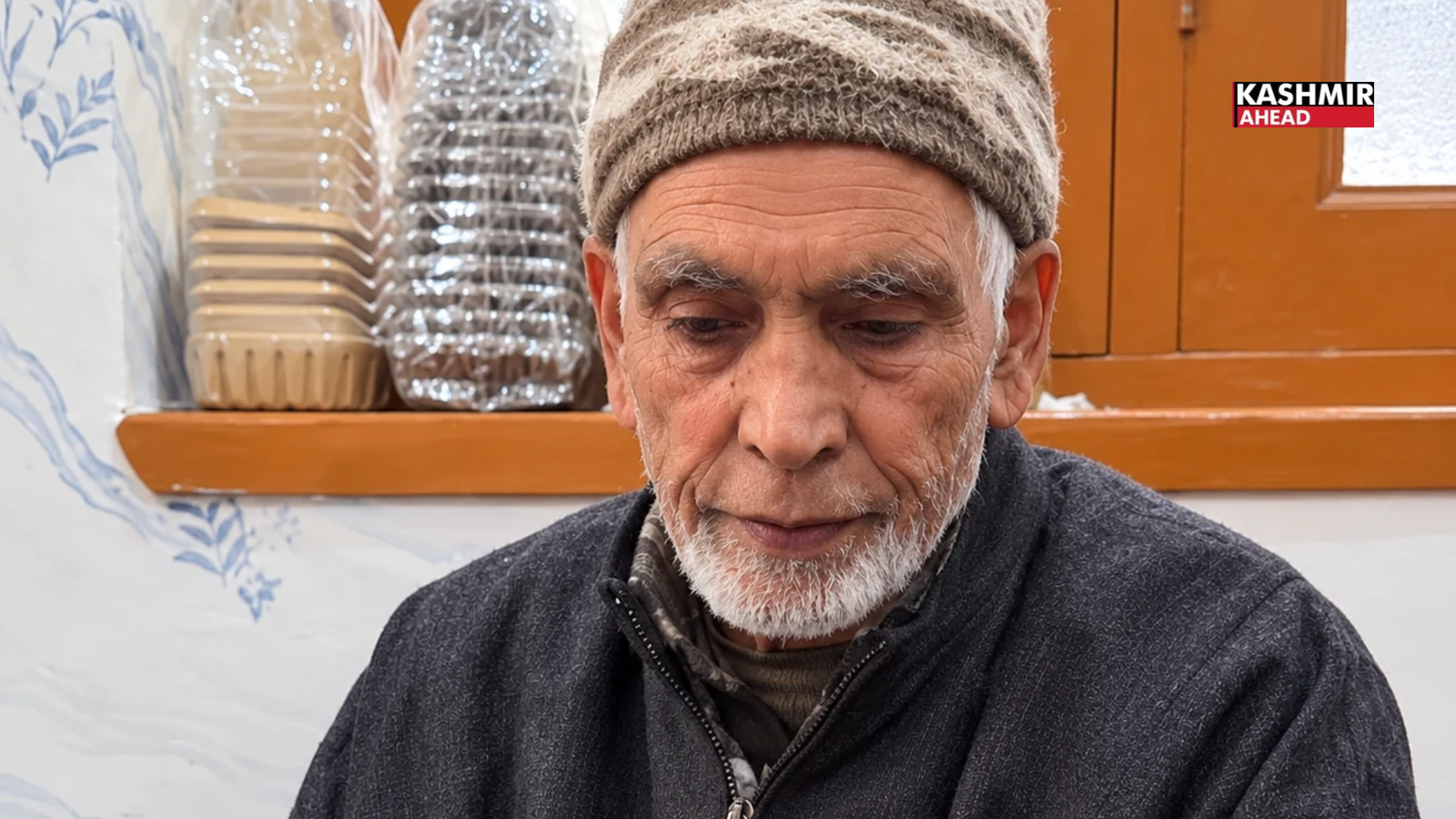
At 75, Srinagar-based craftsman Abdul Majeed Zargar has dedicated 45 years of his life to carving these wooden shuttles. Through his work, he has preserved a specialised skill that remains largely unnoticed despite its importance to Kashmir’s celebrated Pashmina industry.
For decades, Zargar has carefully shaped pieces of wood into the tools used by Pashmina weavers. The work demands experience, precision and an understanding of the requirements of traditional weaving. Every shuttle must be crafted with care, as even a small tool can make a significant difference in the process of producing a fine Pashmina shawl.
His craftsmanship has travelled beyond Kashmir, reaching customers as far as France. This international reach reflects the value of traditional Kashmiri skills and the appreciation they receive among people who understand the effort behind handmade products.
From ₹40 to ₹1,800: The Changing Value of a Traditional Tool
The changing price of the Mukh offers a glimpse into the transformation of this specialised craft. A pair of shuttles that once sold for around ₹40 now fetches approximately ₹1,800.
The increase reflects the value of skilled labour, the time involved in making the tools and the specialised knowledge required to produce them. However, the higher price has not necessarily translated into a secure future for the craft.
Zargar recalls a time when orders kept him occupied for weeks. His work was in demand, and the process of making shuttles provided a steady engagement. Today, however, the number of people practising this craft remains limited, raising concerns about its long-term survival.
A Skill Passed On, But Without Enough Successors
One of Zargar’s biggest concerns is the declining interest among younger generations. Despite spending decades mastering the craft, he fears that the knowledge may disappear when experienced artisans are no longer able to practise it.
He has made efforts to pass on his skills by teaching his son and two other individuals. These efforts represent an important attempt to keep the tradition alive. However, attracting more young people to the craft remains a challenge.
Traditional skills often require years of practice before a person can achieve the precision and expertise expected of an experienced artisan. In a time when younger generations increasingly look towards other employment opportunities, such specialised occupations can struggle to find new learners.
The concern is not limited to the loss of a livelihood. It is also about the disappearance of knowledge accumulated through years of experience, observation and hands-on practice.
Preserving the Craft Behind Kashmir’s Pashmina Heritage
Kashmir’s Pashmina heritage is built on the contribution of several skilled communities, including spinners, weavers and artisans who create the tools required for production. While the finished shawl receives attention in markets across the world, the people and processes behind it often remain less visible.
The story of Abdul Majeed Zargar highlights the need to recognise these lesser-known crafts and the artisans who sustain them. Preserving Pashmina weaving must also involve protecting the traditional skills, tools and supporting occupations that make the craft possible.
Creating opportunities for young people to learn such skills, improving recognition for traditional toolmakers and connecting artisans with sustainable markets could help safeguard these practices.
At 75, after 45 years of carving wooden shuttles, Zargar continues to represent a living link to Kashmir’s traditional craftsmanship. His journey is a reminder that heritage is not preserved by celebrating finished products alone. It also depends on valuing the hands, skills and knowledge that make them possible.
The real challenge is ensuring that Kashmir’s future generations inherit not only the beauty of Pashmina shawls but also the knowledge of how every small part of their creation comes together.