By DIKSHA BENIPURI | Kashmir Ahead
Kashmir , October 26,2026- Jammu and Kashmir is on the road to improve digital connectivity in rural and underserved areas through the Amended BharatNet Project and the 4G Saturation Project. The main aim is to extend high-speed internet access to Gram Panchayats, improve mobile network availability in uncovered locations and strengthen the digital infrastructure across the Union Territory.
The projects basically focus on expanding optical fibre connectivity, improving telecommunications infrastructure and enabling more residents to access online services, digital education and other internet-based facilities.
BharatNet Targets Connectivity Across 4,291 Gram Panchayats
The Amended BharatNet Project aims to provide reliable, high-speed broadband connectivity to 4,291 Gram Panchayats across Jammu and Kashmir. The programme is designed to strengthen rural internet access through an optical fibre network based on resilient ring topology.
Under the implementation framework, BSNL is the Project Management Agency, while M/s Sterlite has been designated as the Project Implementation Agency. The project includes upgrading existing BharatNet infrastructure and extending broadband connectivity to inhabited villages on a demand-driven basis.
The plan also provides for the operation and maintenance of the network over a 10-year period to support long-term reliability. The project covers 285 blocks, including 148 in the Jammu division and 137 in the Kashmir division.
Survey Completed in More Than 3,300 Gram Panchayats
According to the progress figures dated September 25, 2026, physical surveys have been completed in 3,330 of the targeted 4,291 Gram Panchayats, representing 77.6 per cent progress.
Work orders have been issued for 1,962 Gram Panchayats, including 837 in Jammu and 903 in Kashmir, as specified in the supplied report. The remaining work orders are part of the ongoing implementation process.
The report also records that 485 Gram Panchayats have become visible on the State Network Operations Centre (SNOC), while internet connectivity has been established in 413 Gram Panchayats.
These figures indicate that the project has progressed beyond the survey stage in several locations, although further execution and network integration are required to expand operational coverage.
Optical Fibre Deployment and Network Integration
Implementation activities under BharatNet include the preparation and approval of Bills of Quantities (BOQs), work-order issuance, optical fibre cable deployment and commissioning of Gram Panchayats.
BOQs have been submitted for 212 blocks covering 3,330 Gram Panchayats. Approvals and work orders have been completed for 127 blocks covering 1,962 Gram Panchayats, while execution has started in 96 blocks covering 1,531 Gram Panchayats.
The reported progress includes 2,189 route kilometres of trenching and ducting completed and 1,439 route kilometres of optical fibre cable blowing. A further 115 route kilometres of aerial optical fibre cable have been completed.
Ring-topology surveys and network integration remain important components of the programme. The survey exercise is intended to establish the required infrastructure and connections, while integration and commissioning will enable Gram Panchayats to access operational broadband services.
Focus on Timely Commissioning
The next phase of BharatNet implementation will focus on accelerating field execution, completing network integration and addressing delays in work-order execution. The project timeline identifies June 11, 2028, as the target date, calculated from the agreement-related milestone specified in the supplied information.
Faster commissioning will be important for translating infrastructure development into usable broadband services, particularly in rural areas where dependable connectivity can improve access to government services, education, healthcare information and digital economic opportunities.
4G Saturation Project Covers 847 Sites
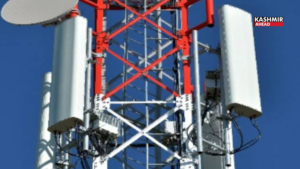
Alongside rural broadband expansion, Jammu and Kashmir is implementing the 4G Saturation Project to improve mobile connectivity in uncovered areas under Categories I to IV.
The project covers 847 required sites, with land allotment completed for all locations. Of these, 712 sites are on revenue land and 135 are on forest land.
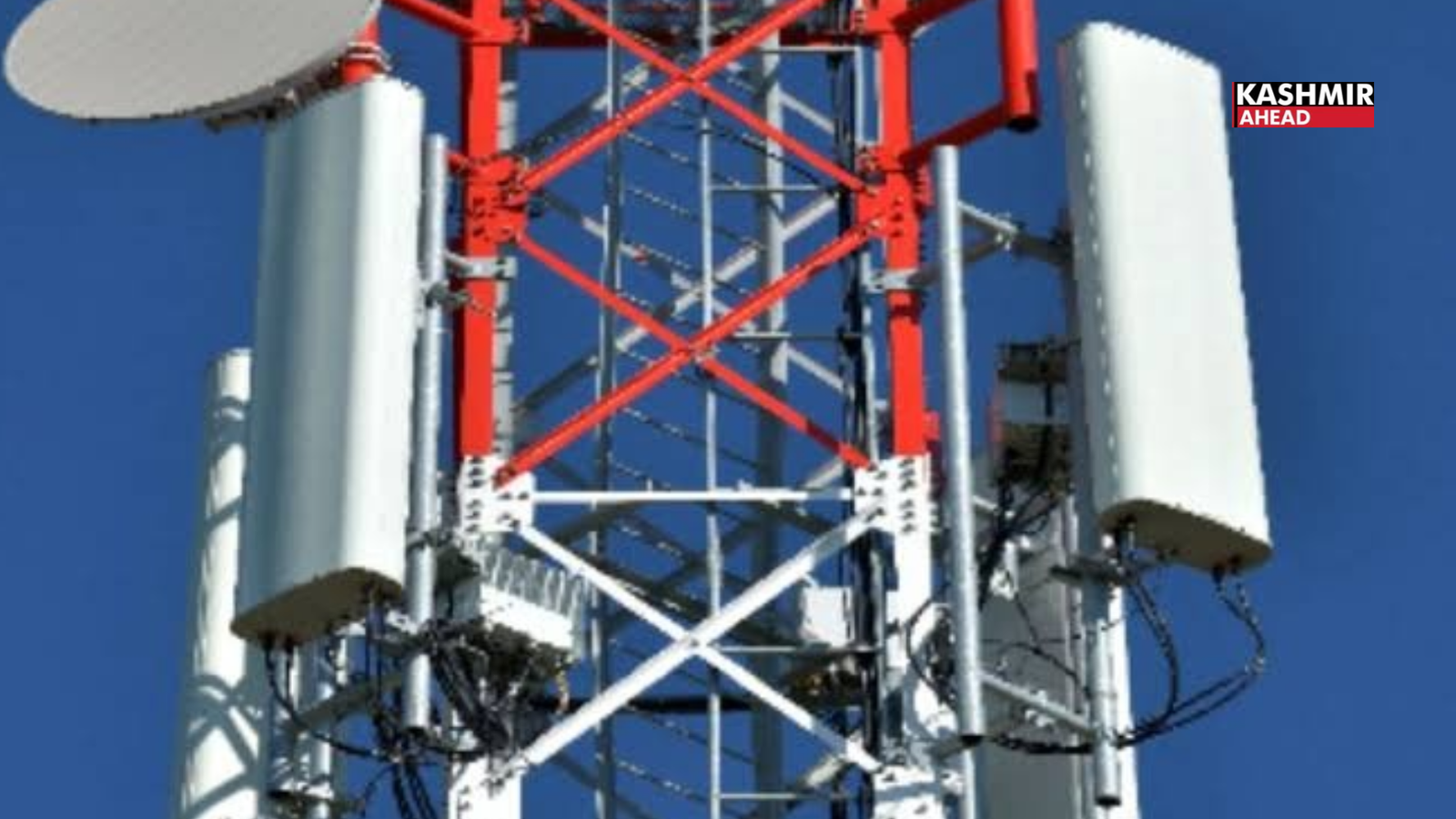
As of September 30, 2026, 620 sites had been brought on air, while tower erection or preparation for installation had reached 679 sites. Foundation work had been completed at 715 locations, and Node-B equipment had been installed at 636 sites.
The progress reflects continued development of the physical infrastructure needed to extend mobile services to locations that previously lacked adequate 4G coverage.
Tower Construction and Equipment Installation Progress
The implementation data shows that civil and technical activities are progressing at different rates across the 847 sites.
Of the total locations, 715 had completed foundation work, while 679 were reported as ready at the tower erection or pre-installation stage. Node-B equipment installation had reached 636 sites, and 620 sites were operational.
The difference between sites where construction has progressed and those already on air highlights the need to complete remaining equipment installation, power connections and commissioning activities.
Electricity Connections Remain a Key Requirement
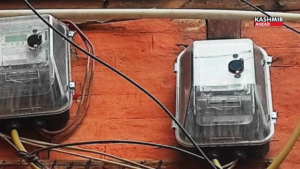
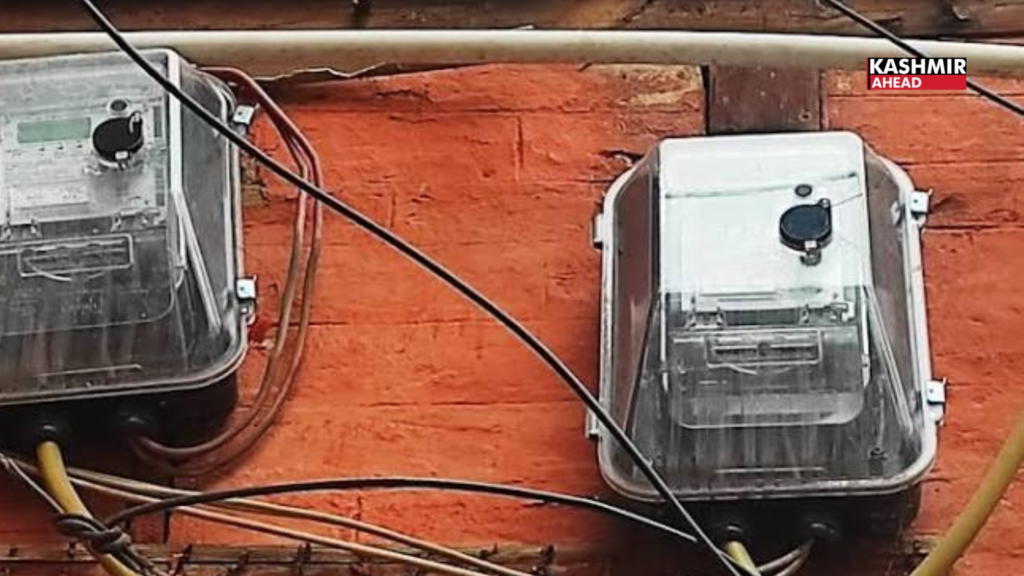
Reliable electricity supply is essential for maintaining uninterrupted mobile tower operations. The project report records 651 electricity-connection applications, of which 593 connections had been provided, while 58 remained in progress.
In the Jammu division, JPDCL had received 377 applications and completed 315 connections, with 19 additional connections reported as ongoing. In Kashmir, KPDCL had received 360 applications and completed 278 connections, with 39 still under progress.
The supplied division-wise figures require reconciliation with the consolidated totals before publication. Nevertheless, electricity connectivity remains an important factor in bringing additional towers into service.
Strengthening Digital Access Across J&K
The Amended BharatNet and 4G Saturation projects address complementary aspects of Jammu and Kashmir’s digital infrastructure. BharatNet is focused on bringing broadband connectivity to rural administrative centres, while the 4G programme aims to improve mobile network coverage in underserved areas.
The immediate priorities include speeding up optical fibre deployment, completing pending work orders, integrating broadband networks, finishing tower installations and providing electricity connections at remaining sites.