Kashmir , October 19,2026- The deep crimson of Rista and Rogan Josh is among the most recognisable features of Kashmiri cooking. While Kashmiri chillies contribute to the colour, traditional kitchens have long relied on another source: Mawal, the dried flower of Celosia cristata.
The Plant
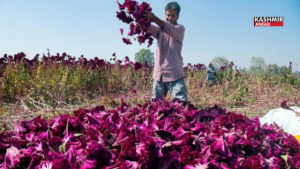
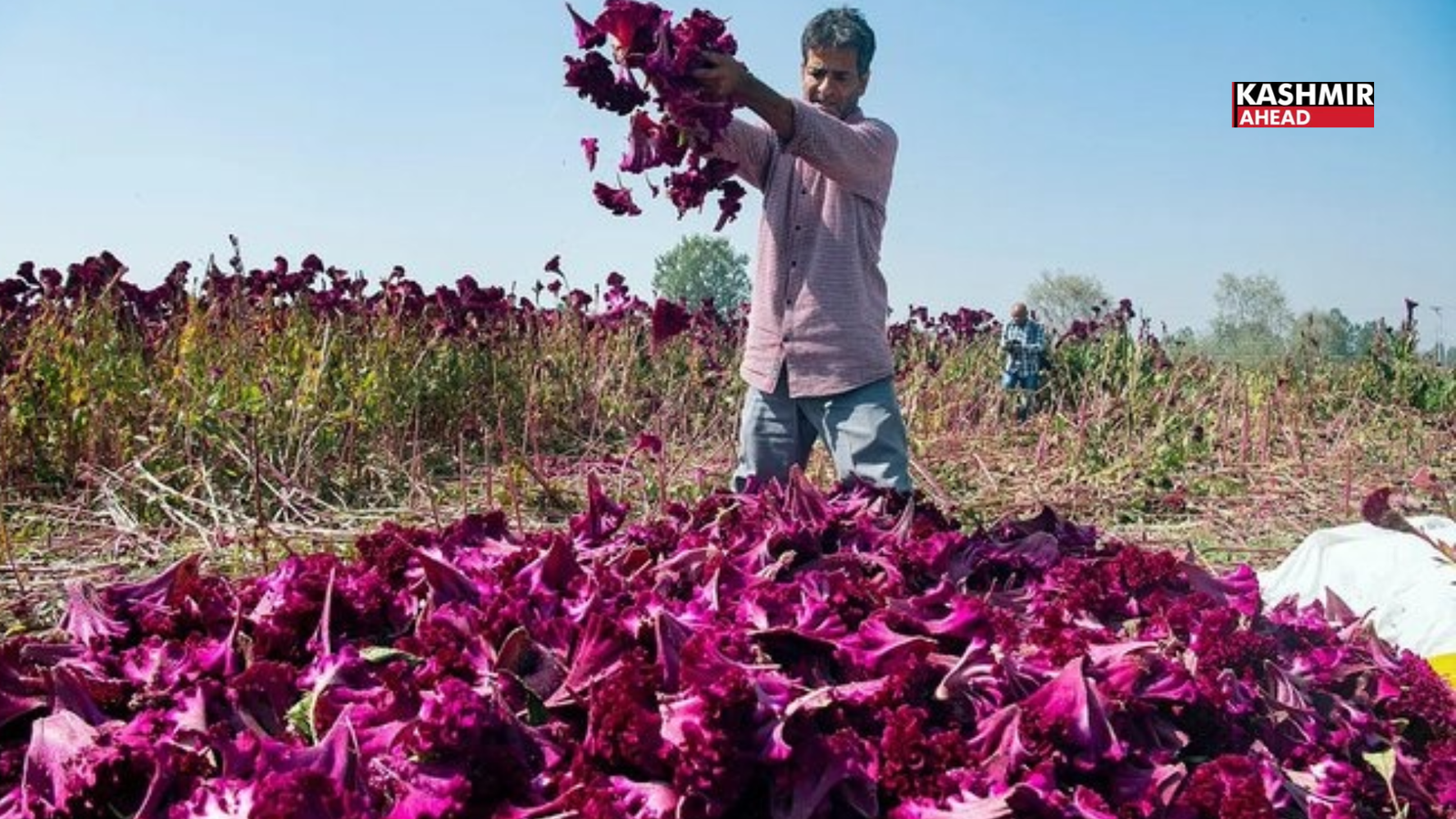
Mawal, commonly known as cockscomb, is a flowering plant with dense, velvety, crest-shaped blooms in shades of crimson and magenta. Though it is grown elsewhere as an ornamental, in Kashmir it is valued principally as a culinary ingredient and has long been cultivated for that purpose.
Harvest and Preservation
The flowers are harvested in autumn, when their colour is at its richest. They are then dried and stored for use through the winter months. This practice reflects a wider tradition in Kashmiri households, where seasonal produce is carefully preserved in preparation for the cold season.
When needed, the dried flowers are soaked or boiled in water, yielding a vivid red extract. This is added to the dish directly, or the flowers are ground into a paste or powder.
Role in Kashmiri Cuisine
Kashmiri cooking is distinguished by dishes that are visually striking yet balanced in flavour rather than fiery. Mawal supports this character by lending colour without adding pungency. Cooks can therefore rely on fennel, dry ginger, cardamom, cloves and Kashmiri chillies to define the taste, while the flower contributes depth of colour.
Rogan Josh and Rista, a staple of the ceremonial Wazwan, illustrate this well. In both, a well-coloured gravy is regarded as a mark of the cook’s skill and of the importance of the occasion. Mawal is also used to colour traditional sweets and festive preparations.
Cultural Significance
Knowledge of Mawal has been transmitted across generations, largely through practice rather than written recipes. Families learn by observation how deep the colour should be, how long the flowers should be soaked, and when a gravy has reached the right shade. The sight of the flowers drying in the autumn sun remains, for many households, a familiar marker of the season.
Relevance Today
Many commercial kitchens now use artificial colours and ready-made masalas for speed and consistency. At the same time, interest in natural ingredients and traditional methods is growing. Mawal offers a plant-based alternative rooted in local practice.
It also holds modest economic value. Small-scale cultivation and sale of dried flowers can supplement household incomes and help sustain a traditional crop.
Safeguarding the Tradition
Culinary heritage endures only when it is practised and passed on. Documenting recipes, encouraging younger cooks to learn traditional techniques, and supporting growers who continue to cultivate Mawal are practical steps towards preserving it. Those using the flower for the first time are advised to purchase from trusted local sellers and to add it gradually, as colour intensity varies with the quality and age of the dried blooms.
Conclusion
Mawal demonstrates how much cultural meaning a single ingredient can carry. It is at once a crop, a natural colouring agent and a living tradition. The crimson gravy served at a Kashmiri table reflects an autumn harvest and the generations of care that have kept this practice alive.