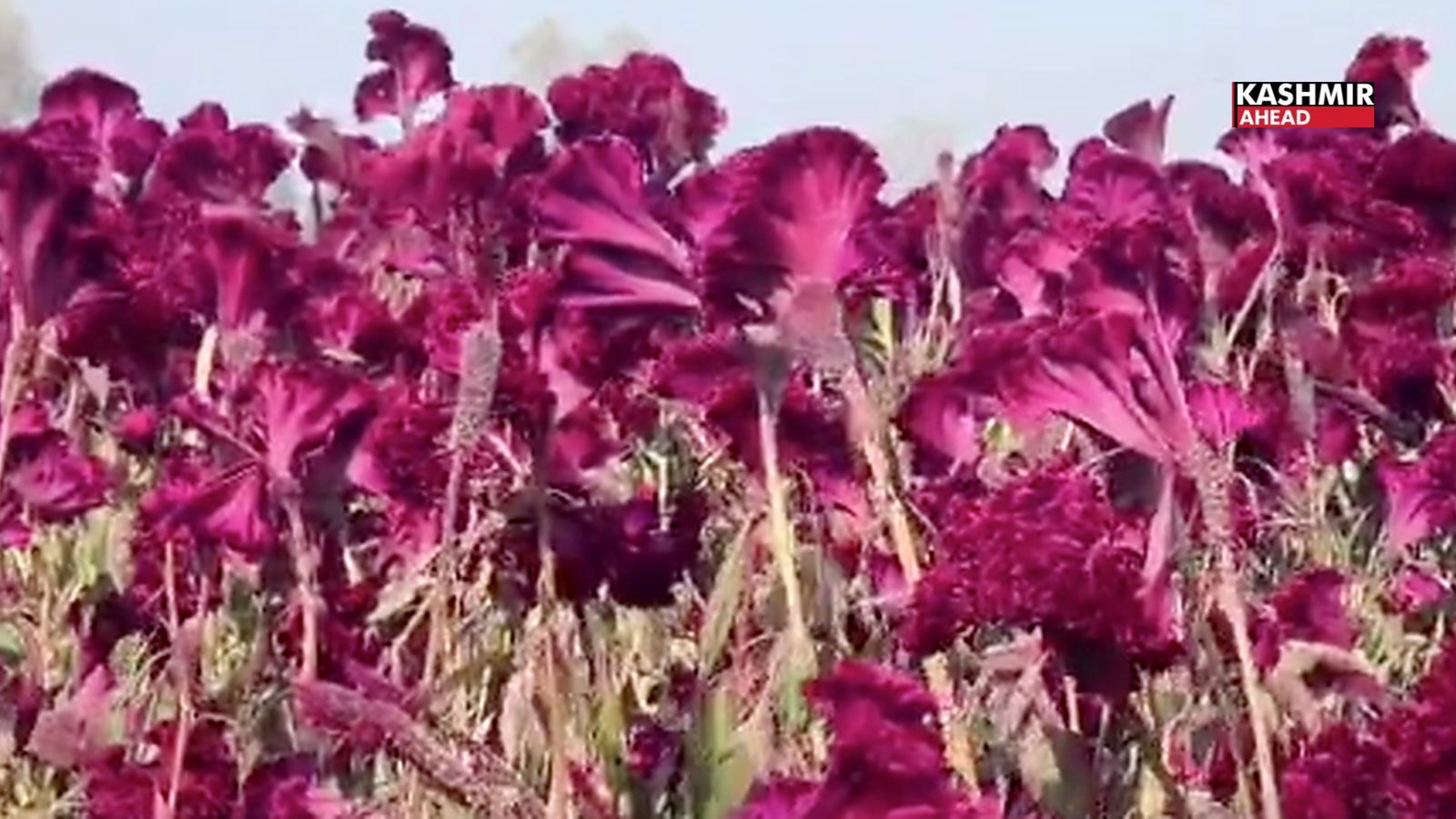
Srinagar, October 17,2026- Farmers in Srinagar are cultivating Mawal, also known as the cockscomb flower, a vividly coloured bloom that has long been central to Kashmiri cuisine. Traditionally used in Kashmiri Wazwan to give dishes their distinctive red colour, the flower continues to hold an important place in the Valley’s culinary and agricultural heritage.
A flower with a place on the festive table
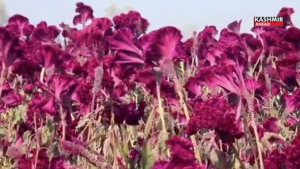
Mawal, known botanically as Celosia cristata, is recognised by its velvety, crimson, comb-like blooms. In Kashmir, the flower is dried and processed to prepare a natural dye used in several traditional dishes, most notably those served during Wazwan, the elaborate multi-course banquet that is a hallmark of Kashmiri weddings and celebrations.
Dishes such as Rogan Josh are associated with a rich red hue, and cooks have traditionally relied on natural ingredients to achieve that colour. Mawal is valued for the deep shade it imparts without the need for artificial colouring, a quality that has drawn renewed attention as consumers become more conscious of what goes into their food.
Cultivation by local farmers
Farmers in Srinagar grow the crop in small plots, often alongside other seasonal produce. The plant thrives in the warm months and bears its striking flower heads in late summer and early autumn, when the blooms are harvested and dried for use through the year.
Growers say the crop is relatively low in cost to cultivate and offers a useful additional income, particularly for small landholders. The brilliant red fields also add a splash of colour to the landscape, drawing the interest of visitors and photographers.
After harvest, the flower heads are dried in the sun and later sold to traders, spice vendors and households. Dried Mawal is commonly available in the markets of Srinagar, where it remains a regular item in the kitchens of families preparing traditional meals.
Preserving culinary heritage
Wazwan is considered one of the most distinctive culinary traditions of the region, prepared by master chefs known as Wazas, who often belong to families that have practised the craft for generations. Natural ingredients such as Mawal, Kashmiri saffron, dried ginger and fennel are integral to the flavours and appearance of the cuisine.
Observers say the continued cultivation of Mawal helps sustain this tradition by ensuring a steady local supply of an ingredient that is difficult to replace. Chefs and home cooks alike point out that the natural colour not only looks appealing but also reflects the authenticity of traditional recipes.
Growing interest in natural ingredients
In recent years, there has been rising interest in natural food colours and traditional ingredients, both among consumers and in the wider food industry. Mawal, with its deep red pigment and cultural significance, is seen as having potential beyond local kitchens. Agricultural experts and traders say that better processing, packaging and marketing could help farmers reach wider markets and secure better prices.
Floriculture and niche crops are also increasingly seen as a way for farmers to diversify income, especially in areas with limited land. Supporting such crops through training, market linkages and quality standards could further strengthen rural livelihoods.
A tradition rooted in the soil
For the farmers who grow it, Mawal is more than a cash crop. It represents a link between the land and the dining table, between agriculture and cultural identity. Each harvest sustains a practice that has been handed down through generations, and keeps alive a flavour and colour that define Kashmiri cuisine.
As interest in heritage foods grows, the humble cockscomb flower is finding renewed appreciation, a vivid reminder that some of the Valley’s most cherished traditions begin in its fields.