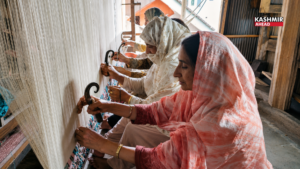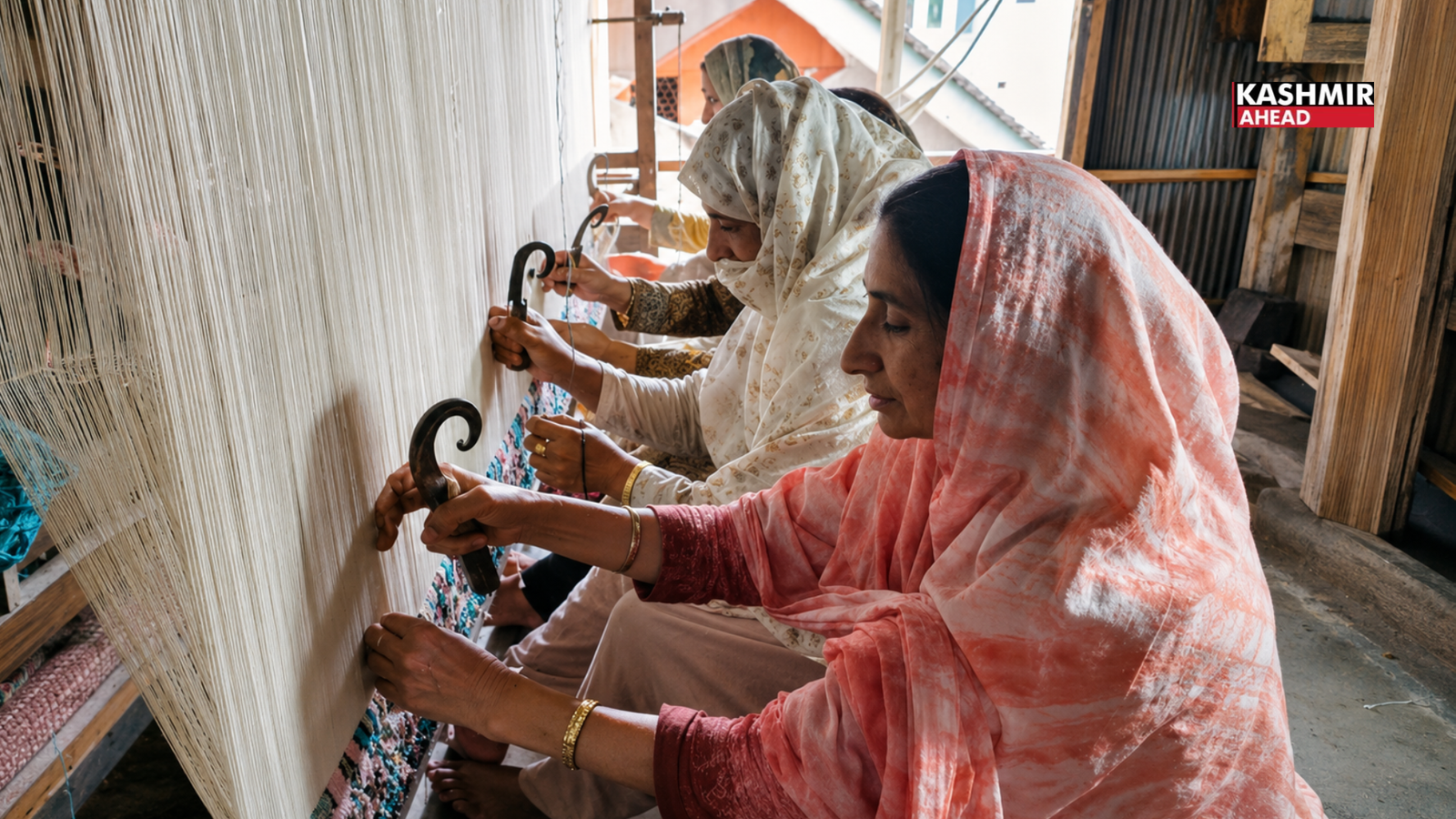
Tral, October 17, 2026- In the quiet village of Ladiyar in Tral, a new chapter of empowerment is being woven, one knot at a time. A group of rural women is learning the age-old craft of carpet weaving, gaining skills that promise both a steady livelihood and a renewed connection to Kashmir’s celebrated handicraft heritage.
The initiative, which brings together skill development and cultural pride, reflects what many describe as the spirit of Badalta Kashmir, a narrative of change in which local communities are building economic independence while preserving tradition.
Skills that open doors to livelihood
Carpet weaving has been one of Kashmir’s most prized crafts for centuries, known for its intricate designs, rich colours and fine knotting. Despite its global reputation, the craft has faced challenges in recent years, including a shortage of trained artisans, competition from machine-made products and a gradual decline in interest among younger generations.
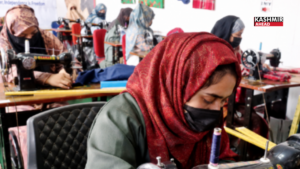
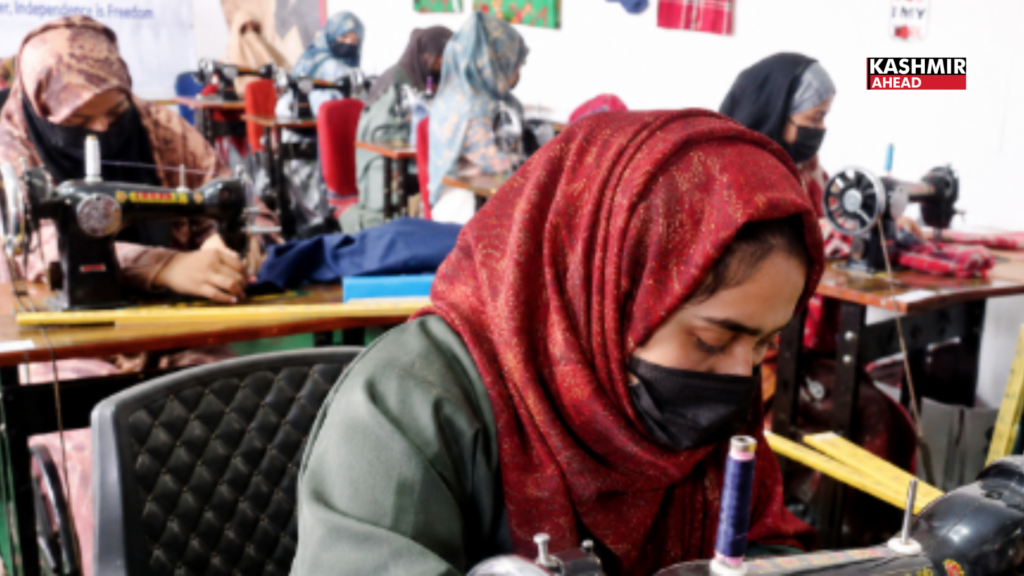
The training programme in Ladiyar aims to address these concerns by equipping women with practical, market-ready skills. Participants are being taught the basics of loom handling, pattern reading, knotting techniques and finishing, under the guidance of experienced instructors. Many of the women had never worked outside their homes, and for them the programme represents a first step towards financial independence.
Trainees say the opportunity to earn from home, while managing household responsibilities, is among the biggest attractions. Because weaving can be done within the village, it removes the burden of travel and allows women to contribute to family income without leaving their communities.
Empowerment at the grassroots
Observers note that women’s participation in handicrafts has the potential to transform rural economies. A skilled weaver can earn a sustainable income, and the benefits often extend to families, with higher household earnings supporting children’s education and healthcare.
Community members in Ladiyar have welcomed the initiative, saying it has brought a sense of purpose and confidence among the participants. Several trainees have expressed hope that, once trained, they will be able to take up orders independently or work through cooperatives and local enterprises.
Such programmes also encourage collective growth. As women learn together, they build networks of support, share ideas and strengthen village-level entrepreneurship. Many see the group as the beginning of a larger cluster of artisans who could one day supply carpets to wider markets.
Safeguarding a living tradition
Beyond economics, the effort carries deep cultural significance. Kashmiri carpets, whether hand-knotted in wool or silk, are the product of skills passed down through generations. Each piece reflects motifs inspired by the Valley’s gardens, flowers and architecture, and takes weeks or even months to complete.
Handicraft experts have long stressed that the survival of such traditions depends on training new artisans. By drawing rural women into the craft, the initiative helps ensure that knowledge is not lost and that the art form continues to thrive. It also gives the trainees a sense of pride, as they become custodians of a heritage that has defined Kashmir’s identity across the world.
Linking tradition with opportunity
With tourism on the rise and growing global interest in handmade products, demand for authentic Kashmiri carpets remains strong. Artisans who are properly trained and connected to markets stand to benefit from this demand. Digital platforms, handicraft exhibitions and geographical indication labelling further offer opportunities to showcase genuine hand-knotted products and secure fair prices.
Officials and stakeholders have emphasised that skill development, when combined with market access, can create lasting change. They say such initiatives are vital to ensuring that the benefits of development reach remote and rural areas.
A story of change
For the women of Ladiyar, the looms are more than tools of work. They are symbols of independence, dignity and hope. As they master each pattern and complete each carpet, they contribute not only to their own futures but also to the preservation of Kashmir’s artistic legacy.
The initiative stands as an example of how skill, tradition and opportunity can come together to create meaningful change at the grassroots, a story that captures the essence of Badalta Kashmir.