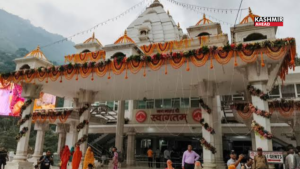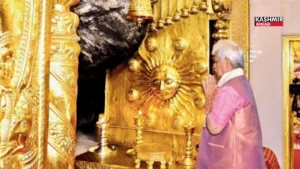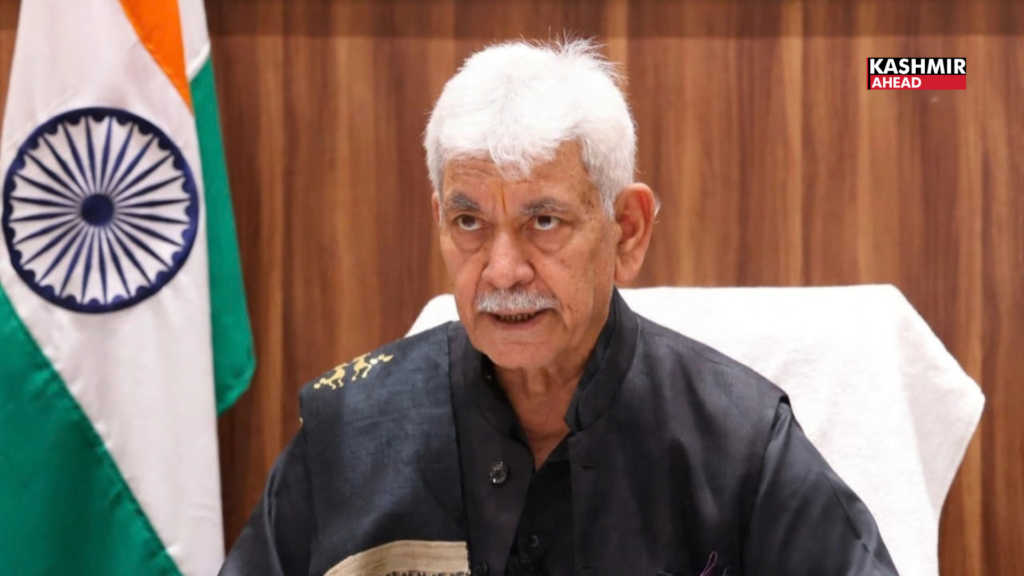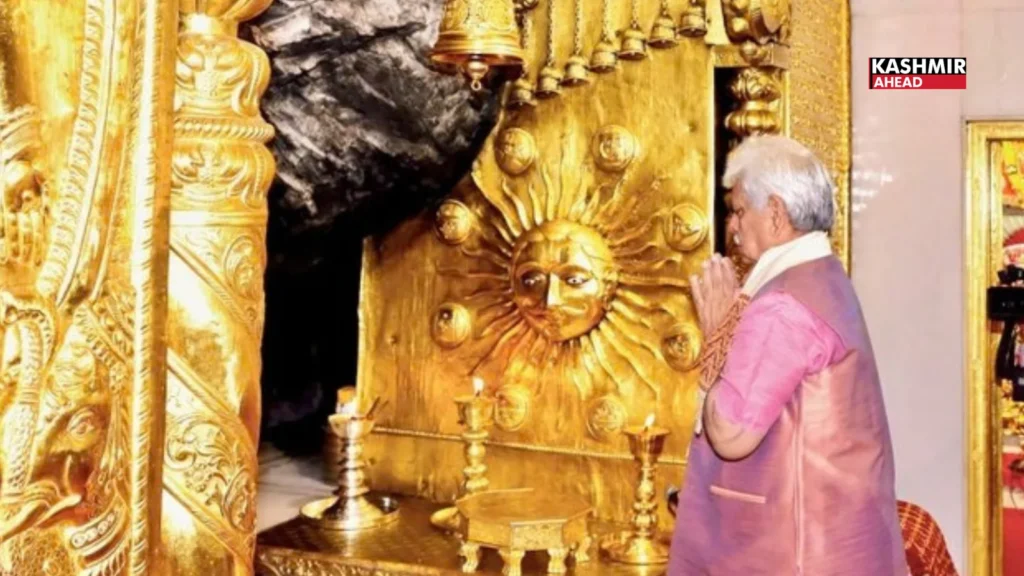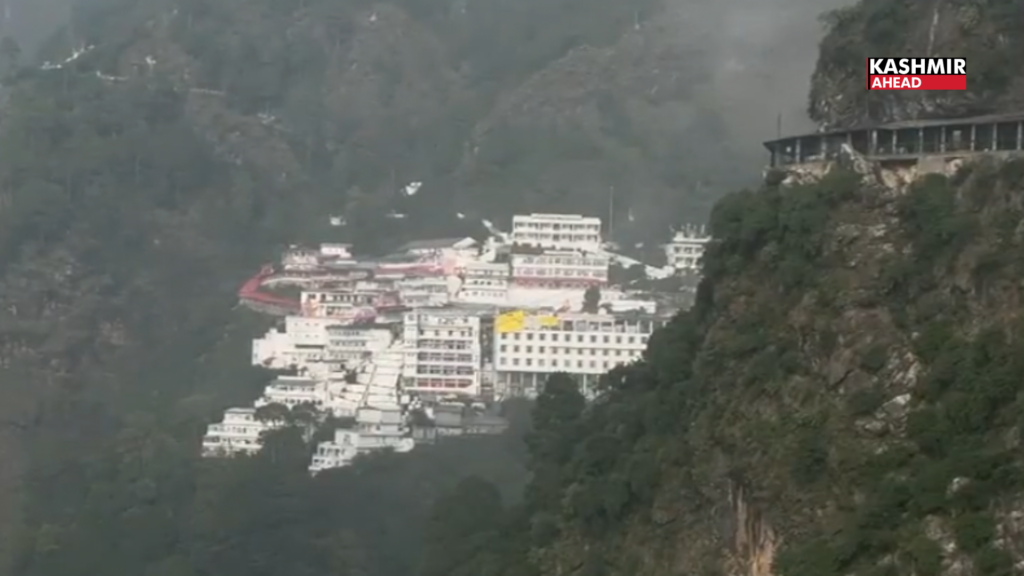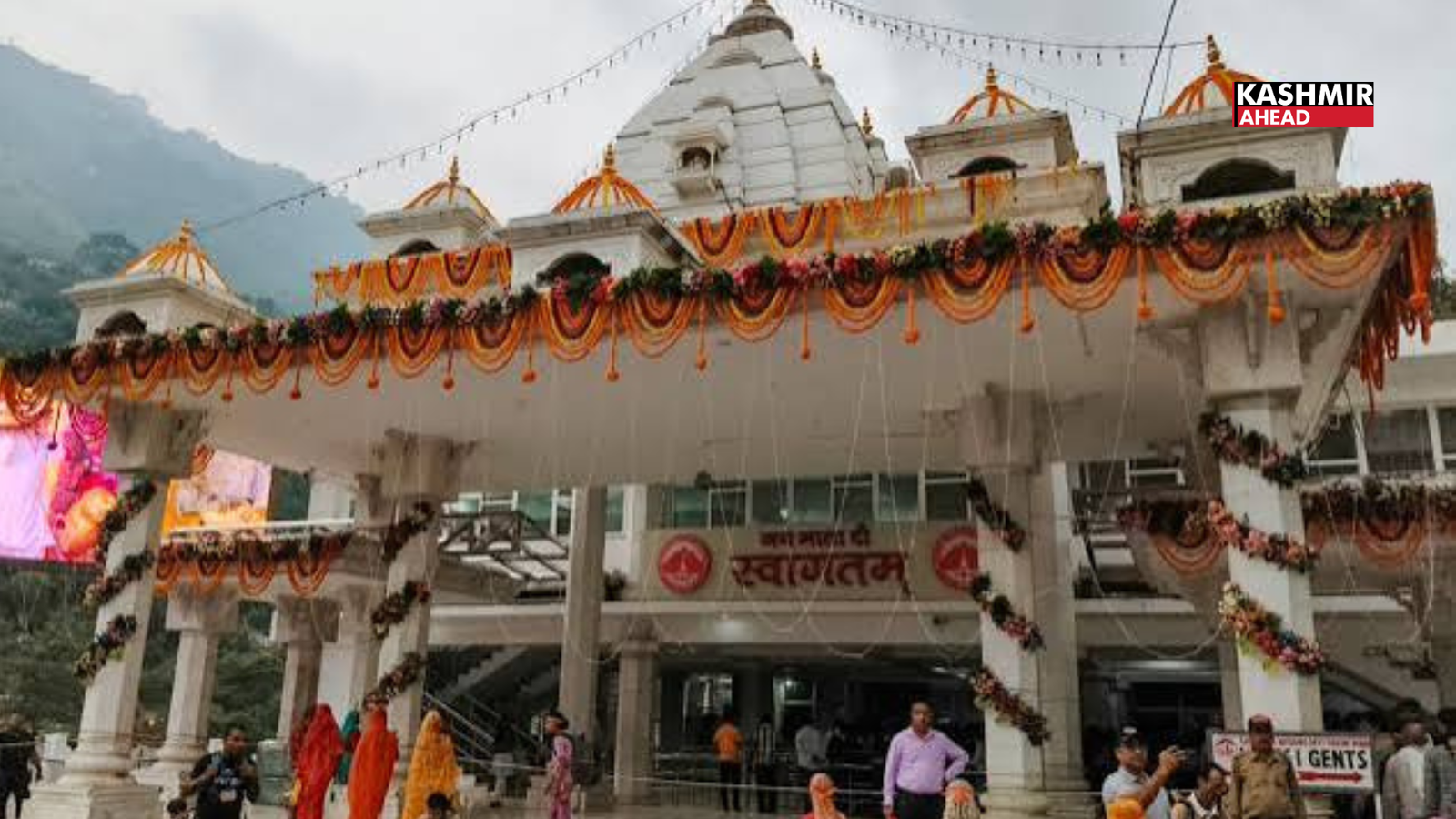
Katra , October 12,2026- A total of 47,346 pilgrims paid obeisance at the Shri Mata Vaishno Devi Shrine on the first day of Shardiya Navratras, as devotees arrived in large numbers at Katra to seek the blessings of Mata Vaishno Devi. The turnout marked a devotional start to the nine-day festival, which is observed with great faith across the country.
From early morning, the base camp at Katra witnessed a steady stream of pilgrims registering for the yatra and setting out on the trek to the holy cave in the Trikuta hills. Chants of “Jai Mata Di” echoed along the track as devotees, including families, elderly pilgrims and young groups, made their way up to the shrine. Many travelled from Jammu and Kashmir, Punjab, Haryana, Delhi, Uttar Pradesh and other parts of the country to begin Navratri with the Goddess’s darshan.
The first day of Navratri holds special significance for devotees. Shardiya Navratras, observed in the month of Ashwin, are dedicated to the worship of Goddess Durga in her nine forms, with the first day devoted to Maa Shailputri. Devotees believe that offering prayers during these nine days brings peace, prosperity, strength and spiritual well-being. Many pilgrims said they had planned their visit specifically to coincide with the start of the festival, calling it an auspicious occasion to seek the Mother’s blessings.
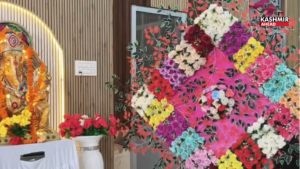
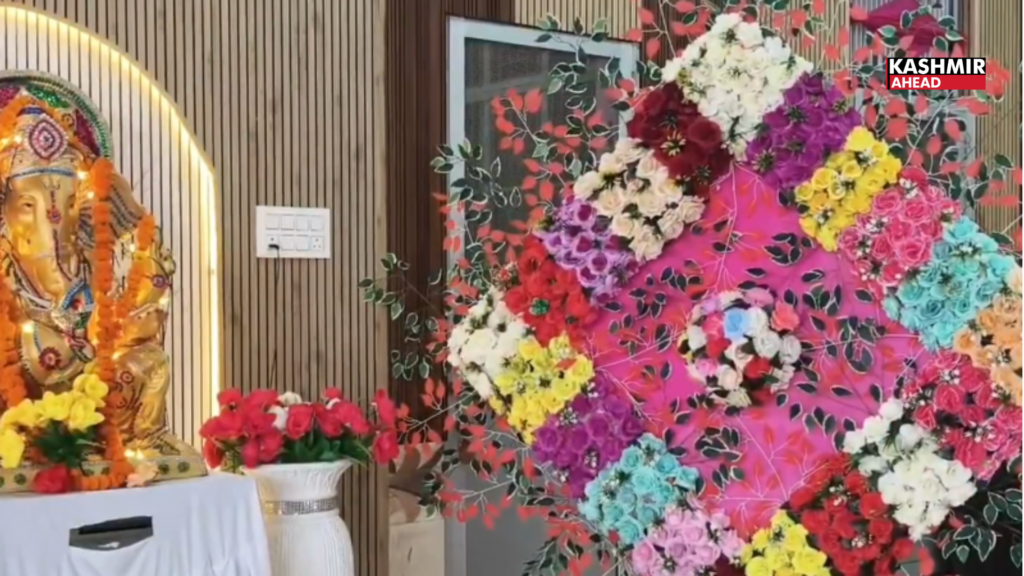
Katra, the gateway town to the shrine, wore a festive look. Shops, eateries and lodgings catered to the rush of visitors, while the town echoed with devotional songs and bhajans. Local residents, whose livelihoods are closely tied to the pilgrimage, welcomed the surge in footfall, which traditionally peaks during Navratri and the festive season that follows.
The Shri Mata Vaishno Devi Shrine Board makes extensive arrangements every year to manage the heavy pilgrim traffic during Navratras. These typically include crowd management at registration counters and along the track, medical assistance points, drinking water and sanitation facilities, and round-the-clock security deployment. Services such as ponies, palanquins, battery cars and helicopter services help pilgrims of all ages complete the journey of roughly 12 kilometres from Katra to the Bhawan.
Security agencies and the administration remained on alert to ensure the smooth and safe conduct of the yatra. Police and paramilitary personnel were visible at key points in Katra and along the route, guiding devotees and regulating the movement of crowds. Pilgrims were encouraged to carry valid identification, complete their registration in advance and follow the instructions issued by shrine authorities.
For many devotees, the pilgrimage is as much about faith and endurance as it is about darshan. Families made the climb together, with younger devotees helping elders along the track, while volunteers and service organisations offered refreshments and rest facilities. Several pilgrims described the atmosphere as deeply uplifting, saying the long walk and the sight of the holy cave left them with a sense of calm and gratitude.
With the nine-day festival having just begun, the shrine is expected to continue receiving a large number of pilgrims in the coming days, especially around Ashtami and Navami, which are considered the most significant days of Navratri. Authorities have urged devotees to plan their visits in advance and cooperate with the management to ensure a comfortable and safe pilgrimage for all.
As the day ended, lamps and lights illuminated the Trikuta hills, and the evening aarti drew devotees in large numbers, setting a devout tone for the days ahead.