Kashmir Ahead

AGS Wuzur students build Nutri Scan to fight lifestyle diseases

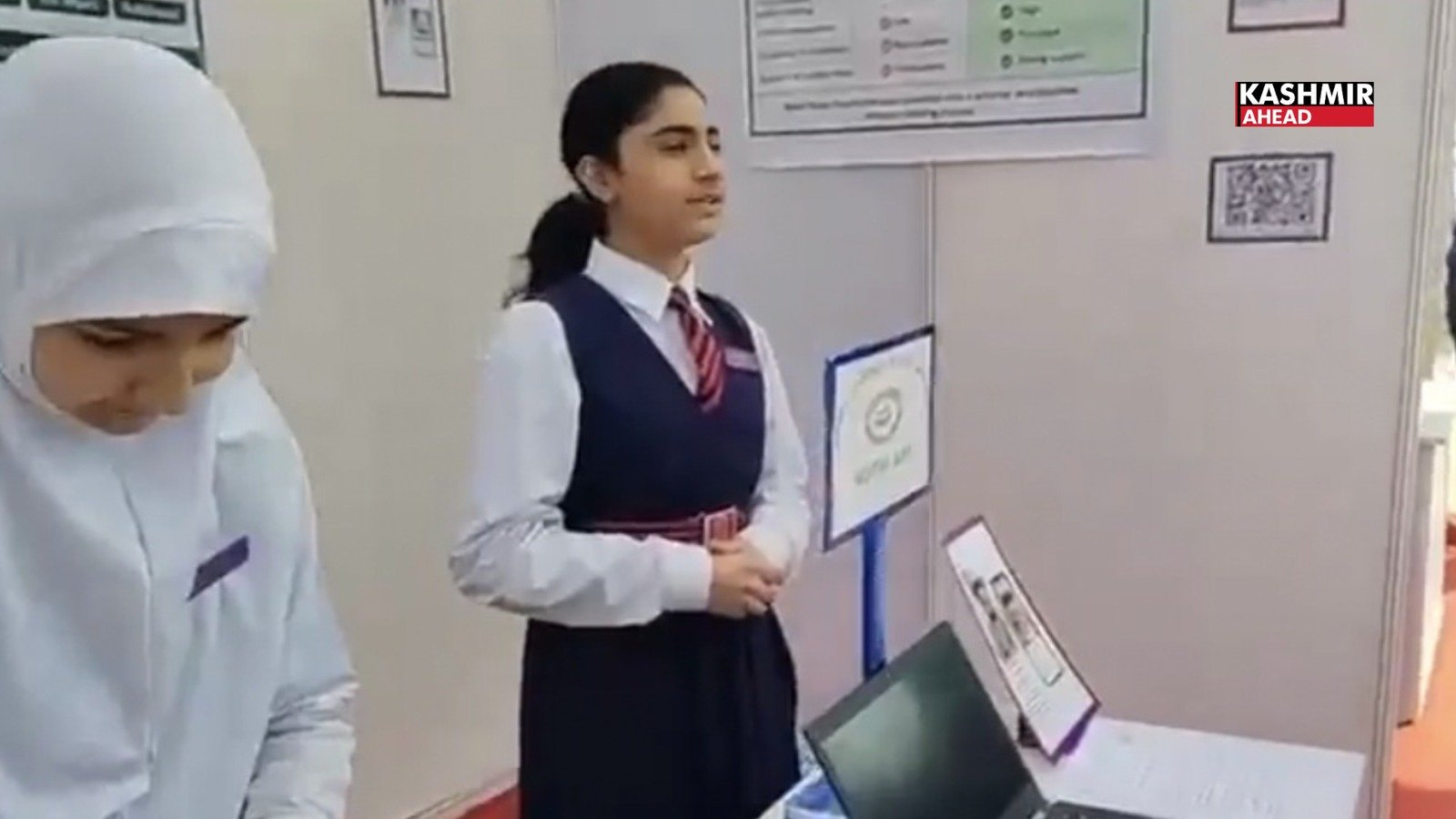
Kashmir, August 21, 2026-In a remarkable display of grassroots innovation, students at Army Goodwill School (AGS) Wuzur have developed Nutri Scan, a smart device capable of instantly scanning food nutrition labels, flagging potential health risks, and delivering alerts in multiple languages. The project, born out of a school-level initiative, is now being celebrated as a promising tool in India’s fight against rising lifestyle diseases.

The Problem It Solves

India is grappling with an escalating public health challenge: lifestyle diseases such as diabetes, hypertension, obesity, and cardiovascular conditions are increasingly common, driven in large part by poor dietary habits and low awareness of what actually goes into packaged food. While nutrition labels are mandatory on most products, they are often printed in dense text, technical jargon, or languages that many consumers — particularly in rural and semi-literate populations — struggle to interpret.

This is precisely the gap that Nutri Scan aims to bridge. By simply scanning a product’s label, the device analyzes its nutritional content and ingredient list, identifies harmful or excessive components such as added sugars, trans fats, or high sodium levels, and instantly alerts the user. Crucially, these alerts are delivered through voice output in multiple languages, ensuring the technology is accessible even to those who may not be able to read the label themselves.

Student-Led Innovation

What makes Nutri Scan particularly noteworthy is its origin: it was conceived, designed, and built by students, showcasing the kind of applied, real-world problem-solving that is increasingly being encouraged in Indian schools. The project reflects a growing trend of young innovators using accessible technology — sensors, scanning modules, and voice-processing software — to address everyday health and social challenges in their communities.

For students at a school like AGS Wuzur, developing a functional health-tech device is no small feat, and it speaks to the quality of technical mentorship and exposure to modern tools that the school is providing to its students.

Backed by Operation Sadbhavana

The innovation did not emerge in isolation. It is part of the broader ecosystem fostered under Operation Sadbhavana, the Indian Army’s long-running goodwill initiative aimed at winning hearts and minds in remote, border, and conflict-sensitive regions — particularly in areas like Jammu & Kashmir and the northeastern states. Under this program, the Army has established a network of Army Goodwill Schools that provide quality education, infrastructure, and opportunities to children who might otherwise have limited access to modern schooling.

Over the years, Operation Sadbhavana has evolved beyond basic education to actively promote skill development, digital literacy, and inclusive learning environments. The emergence of student-led STEM projects like Nutri Scan is being viewed as tangible proof of this evolution — demonstrating that students from these schools are not just receiving education, but are being empowered to innovate and contribute meaningfully to national challenges like public health.

A Model for the Future

Public health experts and education observers alike have noted that tools like Nutri Scan, if refined and scaled, could have significant real-world impact — particularly in bridging the awareness gap around nutrition in underserved communities. The project also underscores the potential of school-level innovation programs to produce solutions with genuine social value, rather than purely academic exercises.

As India continues to battle a rising tide of preventable lifestyle diseases, initiatives like this signal a hopeful shift: one where young minds, supported by the right infrastructure and mentorship, are stepping up to build solutions from the ground up.

×