Srinagar, June 2026-There are journeys measured in miles, and there are journeys measured in memory. For the Kashmiri Pandit community, the upcoming Global Kashmiri Pandit Heritage Tour and Conclave 2026 in Srinagar represents both—a physical return to the Valley and a deeply emotional passage through decades of exile, longing, resilience and cultural preservation.
Scheduled to bring together Kashmiri Pandits from across India and around the world, the event has been named “Praagaash – The First Light,” a title that reflects hope, renewal and the beginning of a new chapter after nearly thirty-six years of displacement.
More than a gathering, organizers describe Praagaash as a civilizational reconnection—a moment where memory meets geography and heritage finds a living expression once again in the land that shaped the identity of generations of Kashmiri Pandits.
A Return Beyond Geography
For many members of the community, especially those who left Kashmir during the turbulent period of the late 1980s and early 1990s, the return carries profound emotional significance.
The Valley is not merely a place of residence but the cradle of a rich cultural and spiritual tradition. Kashmir nurtured saints, scholars, philosophers and poets whose contributions continue to influence Indian civilization. It is home to sacred temples, ancient springs, revered shrines and a cultural landscape deeply embedded in the collective memory of the Kashmiri Pandit community.
Organizers emphasize that Praagaash does not seek to erase the painful memories of displacement. Rather, it acknowledges the suffering, separation and unanswered questions that continue to linger while focusing on a future rooted in continuity and hope.
“The first light is not the full sunrise,” the event’s vision statement suggests. “But dawn is enough to begin walking.”
Reconnecting with Roots
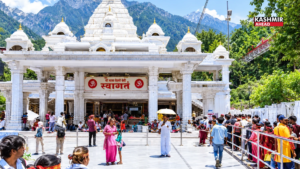
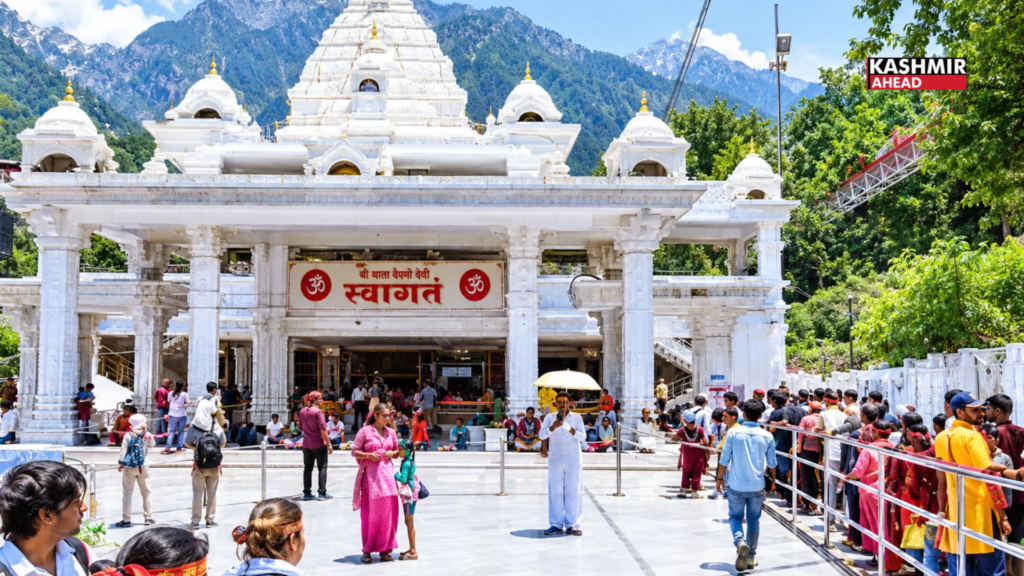
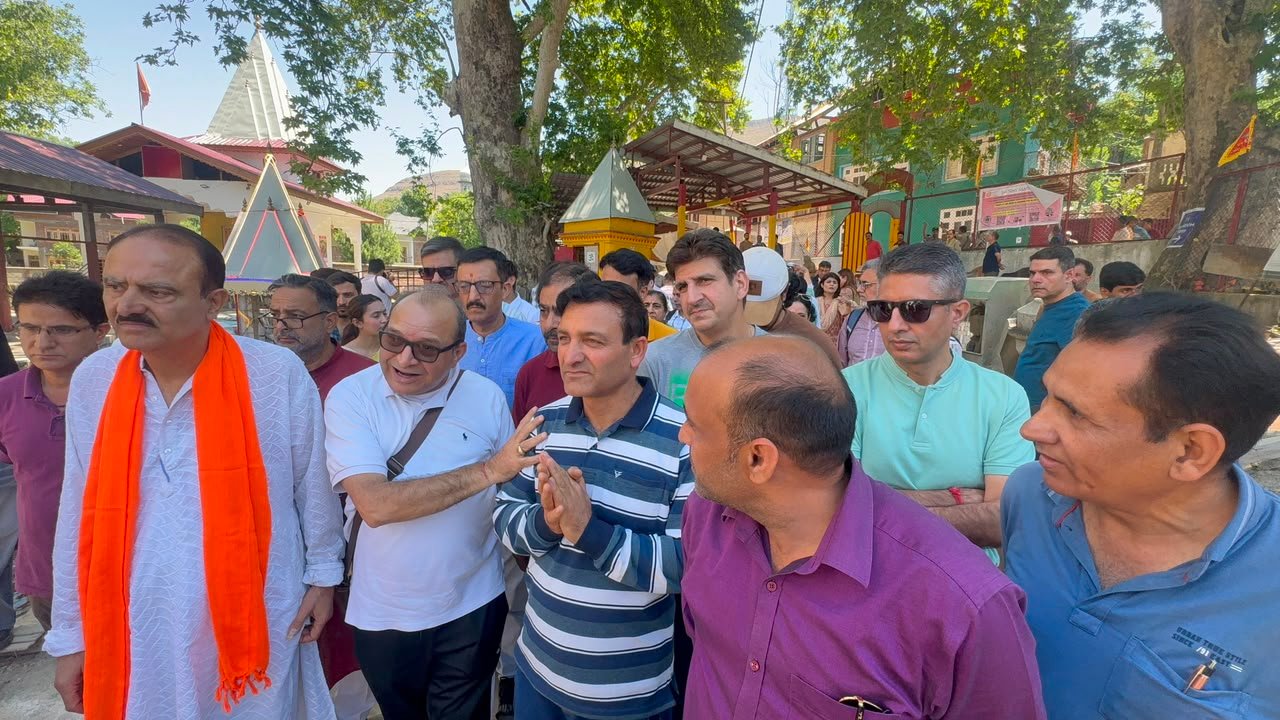
One of the most significant aspects of the Heritage Tour will be visits to ancestral villages, temples, shrines and historically important sites across Kashmir.
For elderly participants, the journey is expected to reopen personal maps of memory. A temple visited during childhood, a school once attended, a sacred spring where prayers were offered, or a family home remembered through decades of storytelling may once again become tangible realities.
For younger generations born outside Kashmir, the experience promises to be transformative.
Many young Kashmiri Pandits know their homeland primarily through family narratives, photographs, rituals and stories passed down through parents and grandparents. The tour offers an opportunity to convert inherited memory into lived experience.
Community leaders believe that connecting younger generations with Kashmir is essential for preserving identity and ensuring continuity of cultural traditions.
Participants will also visit locations where members of the community continue to reside in the Valley, reinforcing a message of solidarity and collective belonging.
Memory, Healing and Hope
The return to Kashmir is expected to evoke a complex range of emotions.
While there will undoubtedly be moments of joy and celebration, participants may also confront memories of loss and displacement. The contrast between what has survived and what has been lost over the decades could bring both sorrow and healing.
Experts in cultural preservation note that heritage journeys often play an important role in community healing. By reconnecting displaced populations with ancestral landscapes, such initiatives help transform memories from abstract recollections into living experiences.
For many Kashmiri Pandits, the opportunity to perform long-delayed religious rituals, visit ancestral shrines and reconnect with sacred geography may provide a sense of closure and continuity.
A Civilizational Connection
Organizers describe the event as more than a cultural reunion. They view it as an effort to restore a civilizational bond that was disrupted by displacement.
The Kashmiri Pandit community was separated not only from homes and neighborhoods but also from an intricate cultural ecosystem comprising sacred sites, language, festivals, manuscripts, educational institutions, food traditions and oral histories.
Over the past three decades, families preserved these traditions in cities across India and abroad. Rituals continued in apartment homes far from the Valley. Festivals were celebrated in unfamiliar environments. Children learned prayers, customs and family histories despite growing up far from Kashmir.
The Heritage Tour seeks to reconnect these preserved traditions with the landscape from which they emerged.
For many participants, Kashmir remains not just a homeland but a sacred cultural space whose significance extends beyond geography.
From Exile to Excellence
The conclave’s central theme—“From Exile to Excellence: Kashmiri Pandit Journey of Resilience, Renaissance and Return”—highlights the remarkable trajectory of a community that rebuilt itself despite displacement.
Over the last thirty-six years, Kashmiri Pandits have established themselves across diverse fields including education, science, public administration, medicine, technology, business, literature, arts and academia.
Across India and the global diaspora, members of the community have made significant contributions while preserving their cultural identity.
Community organizations note that maintaining traditions under conditions of dispersal required extraordinary dedication. Families continued observing rituals, teaching language and celebrating cultural festivals even as they adapted to new social and economic realities.
This resilience forms a central focus of the conclave, which aims to document and celebrate the community’s achievements while discussing pathways for future engagement with Kashmir.
A Heritage of Learning and Spirituality
The event also seeks to highlight Kashmir’s historical role as a center of learning and spiritual inquiry.
For centuries, Kashmir served as a major seat of Sanskrit scholarship, Shaiva philosophy, literature, aesthetics and intellectual discourse. The region produced influential thinkers whose ideas shaped philosophical and cultural traditions across the Indian subcontinent.
The contribution of Kashmiri Pandits to this intellectual and spiritual heritage remains significant.
Organizers stress that acknowledging this legacy is not intended to exclude any community but rather to present a more complete understanding of Kashmir’s historical and cultural narrative.
They argue that preserving and promoting this heritage benefits not only the Kashmiri Pandit community but also the broader cultural landscape of Jammu and Kashmir and India as a whole.
Dialogue for the Future
The conclave component of Praagaash 2026 will bring together scholars, entrepreneurs, artists, civil society representatives, community organizations, policymakers and public leaders.
Discussions are expected to focus on a range of themes, including cultural preservation, education, youth engagement, heritage tourism, economic development and community participation in the future of Kashmir.
Several key questions are likely to guide deliberations:
- How can cultural memory be transformed into sustainable institutions?
- How can heritage be integrated into educational initiatives for future generations?
- What role can the global Kashmiri Pandit diaspora play in preserving and promoting Kashmir’s legacy?
- How can community achievements contribute to the region’s social and economic development?
- What practical steps can strengthen cultural continuity and engagement with the Valley?
Organizers emphasize that while communities may hold diverse perspectives on history, they share a common responsibility toward building a constructive future.
The conclave aims to encourage dialogue centered on restoration, renewal and collaboration within the framework of democratic values and constitutional principles.
The Importance of Place
At its core, Praagaash reflects a universal human need—the need for belonging.
Every community seeks a place where future generations can stand and understand where they come from. For Kashmiri Pandits, that place remains Kashmir.
For decades, this connection has been sustained through stories, rituals, photographs, songs, family traditions and collective memory. The Heritage Tour offers an opportunity to reconnect those memories with physical landscapes and living experiences.
Participants are expected to visit temples, shrines, heritage sites and cultural landmarks that have shaped the community’s historical identity.
For many families, the journey will mark the first time multiple generations experience Kashmir together, creating new memories while reconnecting with old ones.
A New Beginning
As preparations for the Global Kashmiri Pandit Heritage Tour and Conclave 2026 gather momentum, anticipation continues to grow among community members worldwide.
Organizers believe the initiative represents a significant step toward cultural reconnection, intergenerational continuity and renewed engagement with Kashmir.
While acknowledging that many challenges remain, they view Praagaash as a symbol of hope—a reminder that identity can endure despite displacement and that heritage can survive through resilience.
The event’s message is ultimately one of renewal rather than nostalgia, continuity rather than separation, and participation rather than isolation.
For a community that has carried Kashmir in its memories for thirty-six years, Praagaash offers an opportunity to carry those memories back to the land from which they emerged.
The first light may not yet be the full sunrise, but for thousands of Kashmiri Pandits across the world, it represents the beginning of a new journey—one guided by remembrance, resilience, reconciliation and hope.