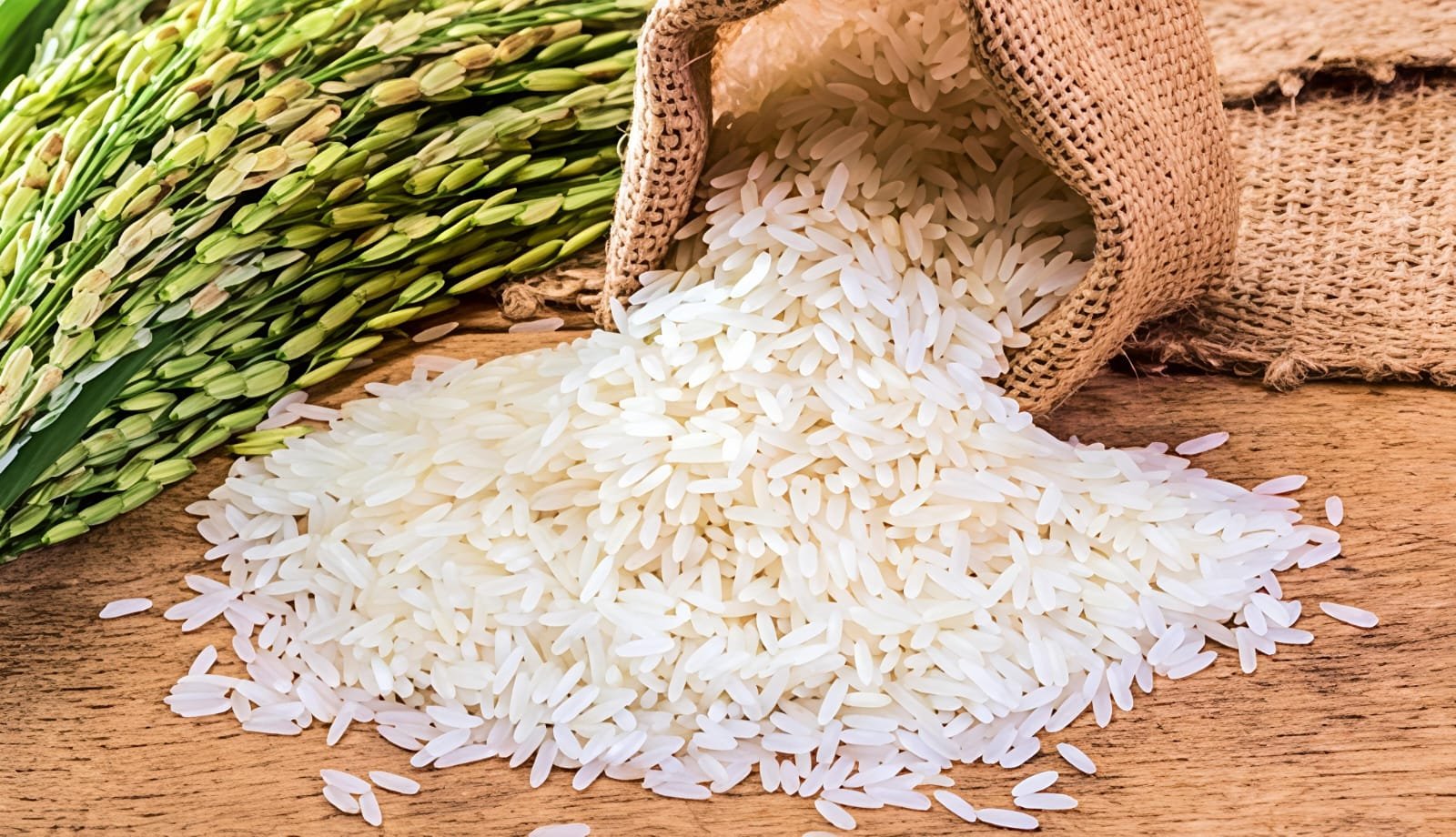
Kashmir,March 12,2026- Rice, long the cornerstone of Kashmiri and broader Indian diets, is set for a revolutionary upgrade. Scientists at the CSIR-National Institute for Interdisciplinary Science and Technology (CSIR-NIIST) have developed “designer rice”, a high-protein, low glycemic index (GI) staple designed to combat malnutrition and help manage diabetes while preserving the taste and cooking properties of traditional rice.
India consumes rice as a daily staple, but polished white rice is largely starch, causing rapid blood sugar spikes that contribute to the country’s growing Type 2 diabetes burden. To address this, CSIR-NIIST researchers deconstructed rice grains into their core components—starch, protein, and fiber—and reassembled them with enhanced protein and micronutrients such as iron, folic acid, and Vitamin B12. The result is a nutrient-dense grain that delivers over 20% protein (compared to the typical 6–8%) and a low GI below 55, making it ideal for diabetics and those seeking balanced nutrition.
Dr. C. Anandharamakrishnan, Director of CSIR-NIIST, explained that the project uses food-processing technology rather than genetic modification. By transforming broken rice—a commonly undervalued byproduct of milling—into fortified, reformed grains, the team created a product that retains the familiar taste and texture of rice while bridging nutrient gaps, including protein deficiency and anemia.
Beyond health benefits, the designer rice also promotes a circular economy by utilizing broken rice that would otherwise be sold cheaply or wasted, offering additional value to farmers. The technology has already been transferred to industry leaders such as Tata Consumer Products Limited, bringing the innovation closer to mainstream kitchens.
Dr. Anandharamakrishnan highlighted that the rice allows Indians to continue their culinary traditions without compromise: “You don’t have to switch to expensive superfoods. You can enjoy the rice you love, now with three times the nutrition.”
This breakthrough positions designer rice not just as a dietary staple but as a strategic tool in tackling hidden hunger, improving metabolic health, and addressing India’s diabetes crisis—all while enhancing sustainability in the food supply chain. From the lab in Kerala to plates across the nation, the humble rice grain is being reimagined as a prescription for a healthier India.